As UK road trips and flexible travel continue to surge in popularity for 2025, more people than ever are choosing to rent a touring van for their next adventure. Whether you are a family, a couple, or an adventure seeker, the comfort and freedom these vans offer are hard to match.
Choosing to rent a touring van means unlocking cost savings, convenience, and the chance to create unique travel memories beyond what traditional holidays provide. This guide is your essential, step-by-step resource for renting a touring van in 2025.
You will learn how to select the right van, discover smart booking tips, understand legal essentials, pack effectively, and make the most of every journey.
Touring vans have become a popular choice for travellers seeking flexibility and comfort across the UK. If you plan to rent a touring van in 2025, understanding the different vehicle types, who they suit best, and the latest trends is essential. This section provides a clear overview to help you choose the right option for your adventure.
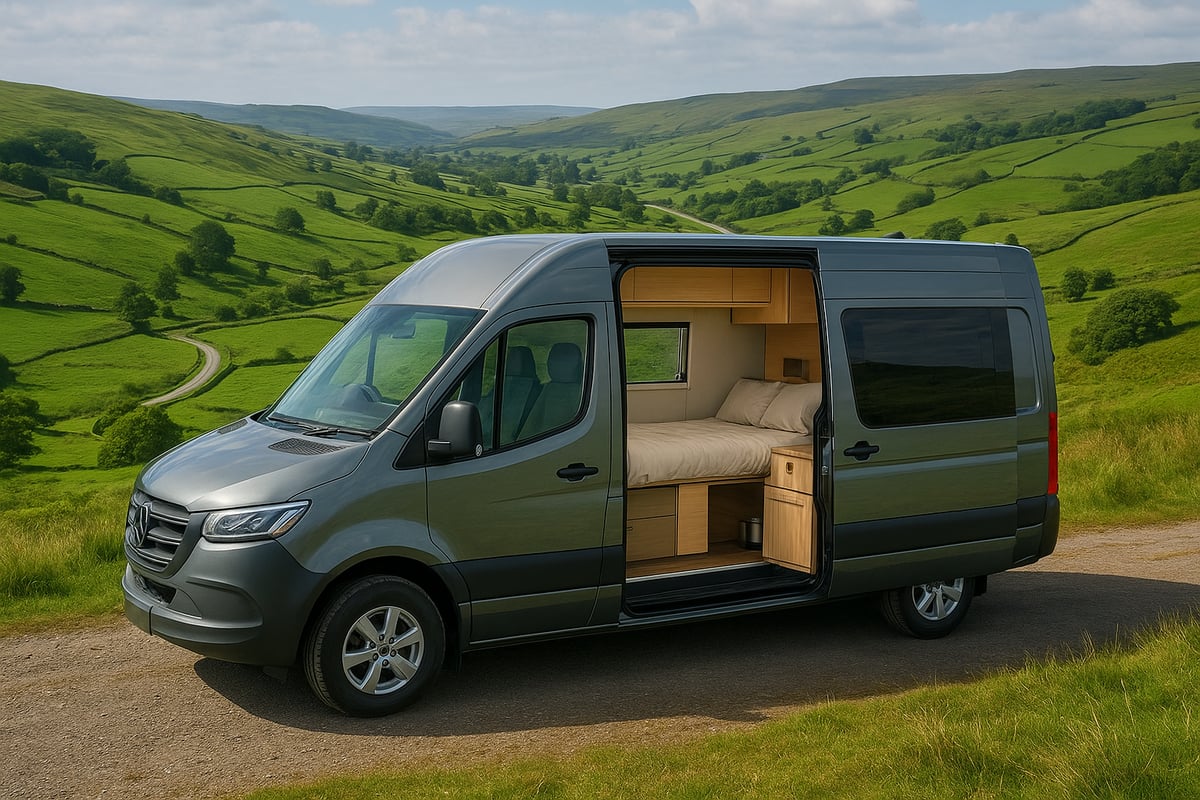
A touring van is a purpose-built vehicle offering both transport and accommodation, designed for comfortable road travel. Unlike basic campervans or large motorhomes, touring vans balance manoeuvrability with home-like amenities. The most common types include compact 2-berth vans for couples, family-sized models with four to six berths, luxury vans with high-end finishes, and off-grid options for remote adventures.
| Van Type | Sleeps | Key Features | Example Use Case |
|---|---|---|---|
| 2-berth Compact | 2 | Bed, kitchenette, basic storage | Couples, solo trips |
| Family (4-6) | 4-6 | Bunks, kitchen, shower, WC | Family holidays |
| Luxury Model | 2-6 | Premium interiors, tech, extras | Extended touring |
| Off-grid | 2-4 | Solar, large tanks, rugged build | Wild camping |
A basic 2-berth van suits short getaways, while a luxury 6-berth model offers a full kitchen, onboard bathroom, and extra living space. Self-contained vans are increasingly popular, especially after the pandemic, providing privacy and hygiene. According to recent data, there was a 30 percent increase in touring van rentals in the UK from 2023 to 2024. For more in-depth advice and inspiration, see the Ultimate guide to campervan adventures.
Many types of travellers are choosing to rent a touring van for their UK holidays. Families appreciate the flexibility and space, especially when exploring regions like Yorkshire. Couples find touring vans perfect for romantic escapes, while solo adventurers and digital nomads use them as mobile offices or creative retreats.
Groups heading to festivals or sporting events benefit from shared travel and accommodation. Outdoor enthusiasts, such as hikers and cyclists, value the ability to store gear and reach remote locations. For example, a family road trip through Yorkshire offers both convenience and adventure. In 2024, 62 percent of UK holidaymakers considered van hire for domestic travel, highlighting its broad appeal.
How does it compare to other forms of travel? When you rent a touring van, you gain the flexibility to customise your route and itinerary. Unlike car hire with hotels or traditional camping, a touring van combines transport and accommodation, often reducing overall costs.
Consider the following:
Staycations have driven the trend, with more people opting for local exploration. Renting a touring van typically results in savings on hotels and meals, making it a smart choice for value-conscious travellers.
The touring van market is evolving rapidly. For 2025, expect to see more eco-friendly and electric touring vans, catering to travellers seeking sustainable options. Tech-enabled vans with Wi-Fi and smart controls are on the rise, making "work from van" setups increasingly practical.
AI-powered booking platforms are simplifying trip planning, while hybrid and electric models are predicted to make up 18 percent of new van rentals in 2025. These trends reflect the growing demand for both comfort and sustainability when people rent a touring van for their journeys.
Before you rent a touring van, check the following essentials. Driving licence requirements vary, especially for larger models, so confirm your licence covers the vehicle you choose. Age restrictions may apply, usually starting at 21 or 25 years old.
Insurance is vital, covering collision, theft, and breakdowns. Review any mileage limits and fuel policies to avoid unexpected charges. Many providers offer pet-friendly or family-oriented options, so clarify these details when booking. For example, always check if your driving licence allows you to drive larger vans to ensure a smooth rental experience.
Choosing to rent a touring van opens a world of flexible travel, but selecting the right van is essential for a memorable journey. In this section, discover how to match your group size, comfort needs, budget, and destination plans to the perfect vehicle. From assessing amenities to understanding seasonal demand, we break down each step to help you confidently rent a touring van for your 2025 adventure.
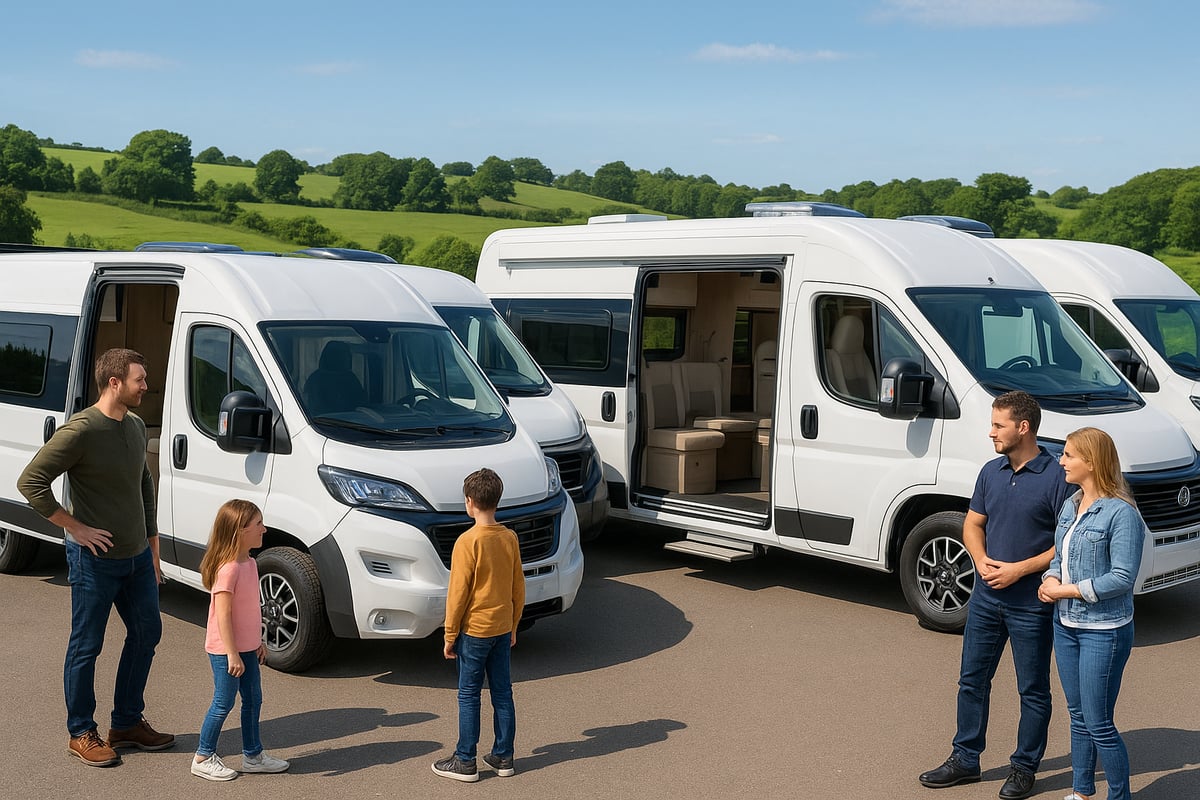
Start by considering who will join your trip. The number of travellers, sleeping arrangements, and personal space requirements should guide your decision when you rent a touring van. If you’re travelling as a couple, a compact 2 berth van may be ideal, offering easy manoeuvrability and efficiency. For families or groups, a spacious 4 or 6 berth model provides more comfort and storage.
Think about your destinations. City breaks require compact vans for easier parking, while countryside or coastal adventures might benefit from larger models with off grid capabilities. Consider accessibility for anyone with mobility needs. For a week long trip, balance daily driving distances with time for relaxation and activities.
By matching your style and plans, you lay the foundation for a comfortable journey.
When you rent a touring van, the onboard features can transform your experience. Focus on essentials such as kitchenettes, bathrooms, and climate control. If you plan to cook, look for a well equipped kitchen with a hob, fridge, and sink. Families may prioritise vans with onboard toilets and showers for convenience.
Storage is key, especially for sports equipment or prams. Entertainment systems such as Bluetooth speakers, USB ports, and Wi Fi are increasingly popular, supporting both leisure and remote work. Safety should never be overlooked; check for alarms, trackers, and options for child seats.
Compare two models:
| Feature | 2 Berth Van | 6 Berth Luxury Van |
|---|---|---|
| Sleeping | Convertible double bed | 2 fixed doubles, bunks |
| Kitchen | Compact hob, fridge | Full kitchen, oven |
| Bathroom | None or portable toilet | Full shower/toilet |
| Storage | Limited | Large garage space |
Choosing the right mix of amenities ensures your trip is both comfortable and enjoyable.
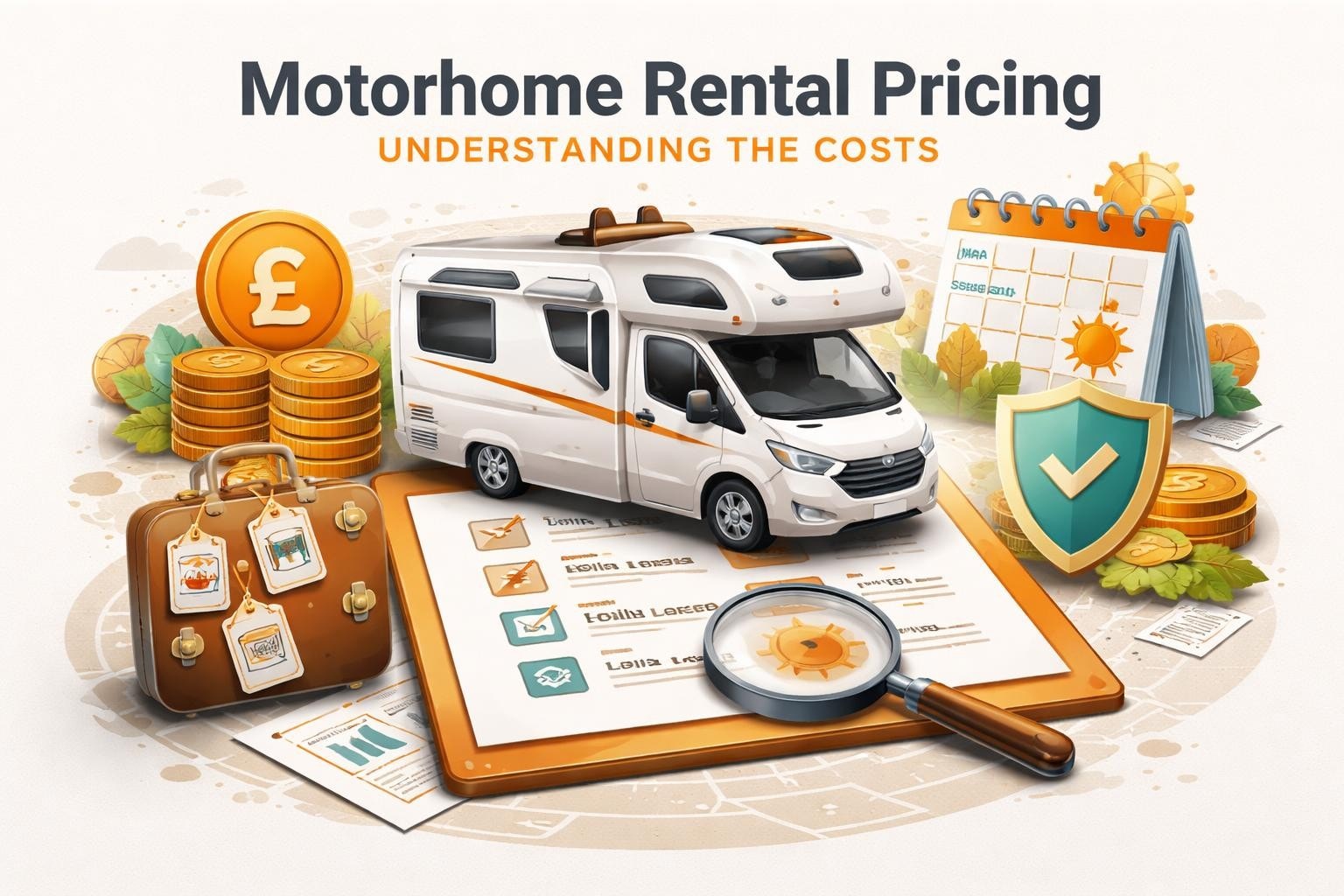
Budgeting is crucial when you rent a touring van. In 2025, average weekly rental rates in the UK range from £600 for a basic 2 berth van to over £1,500 for luxury 6 berth models. Expect a median of around £900 for a mid range van. Remember to factor in deposits, cleaning fees, and excess mileage charges.
Other expenses include fuel, campsite fees, and insurance add ons such as windscreen or personal belongings cover. Campsite costs vary by location and season, typically £20 to £40 per night. Fuel efficiency differs between van types, so consider your route and driving style.
Careful budgeting helps you avoid surprises and enjoy your journey.
To rent a touring van confidently, use reputable booking platforms and compare both local and national providers. National companies often offer wider fleets and standardised service, while local specialists may provide more personalised support and regional knowledge.
Before booking, read customer reviews and check ratings for reliability and service quality. Many platforms display real time availability and flexible cancellation policies. For those interested in exploring Yorkshire, the Campervan hire in Leeds overview offers detailed advice on van types, booking tips, and local providers.
A careful selection process ensures you find a provider who meets your needs.
If you plan to rent a touring van in Yorkshire, The Camper Co stands out for its diverse fleet and local expertise. Based in Leeds, The Camper Co offers options from compact 2 berth vans to spacious 6 berth models, catering to families, couples, and groups.
All vans are modern, well maintained, and equipped with essentials for comfort and convenience. Flexible hire durations allow for weekend escapes or extended road trips. The Camper Co is rated 4.8 out of 5 for customer satisfaction, with a reputation for friendly support and responsive service.
Benefit from tailored trip planning, route suggestions, and insider tips to make the most of your Yorkshire or UK adventure.
Seasonal demand greatly affects your ability to rent a touring van. Peak periods include school holidays, summer months, and bank holidays. It’s common for 75 percent of summer vans to be booked by March, so early reservations are recommended for July and August trips.
Off peak seasons, such as autumn or early spring, often come with discounts and more flexible availability. Last minute deals may be possible, but choice is limited. For large groups or specific models, booking at least 6 months in advance is wise.
With good planning, you can secure the ideal van for your preferred dates.
Embarking on a road trip in the UK is more popular than ever, and knowing how to rent a touring van efficiently is key to a smooth experience. This step-by-step guide will walk you through every stage, from your initial research to driving off for your adventure.

Start by defining your travel needs. Are you planning to rent a touring van for a week-long family trip, a romantic weekend, or a festival escape? Shortlist providers based on fleet size, van types, and customer reviews.
Create a comparison table of top providers. Look for features such as:
| Provider Type | Fleet Range | Customer Rating | Local Expertise |
|---|---|---|---|
| National Chain | Basic to Luxury | 4.3/5 | Limited |
| Local Specialist | Family, Couples | 4.8/5 | High |
Forums and review sites can help you choose. For example, a Yorkshire-based specialist may offer more tailored advice for regional trips. By narrowing down your options, you maximise value when you rent a touring van.
Before you rent a touring van, confirm you meet all legal criteria. In the UK, most vans under 3,500kg only require a standard B category driving licence. Check minimum age requirements, which typically range from 21 to 25.
Consider:
For example, if you plan to drive a larger, 6-berth van, verify that your licence covers it. Taking these steps ensures you are fully compliant before you rent a touring van.
Once you have selected your provider, booking is straightforward. Providers usually offer online and phone booking options. Prepare the necessary documents: valid ID, proof of address, and your driving licence.
Expect to pay a deposit, with payment terms varying by company. Carefully review the contract, including cancellation policies and any additional charges.
For instance, when you rent a touring van with a Yorkshire-based company, you may receive a personalised booking process and route suggestions. Early booking also secures your preferred dates and van model.
Insurance is essential when you rent a touring van. Most rentals include standard insurance, but excess amounts can be high. Consider optional cover, such as zero-excess or personal belongings insurance, for extra peace of mind.
Check if breakdown and recovery services are included. Ask about:
For example, upgrading to zero-excess insurance can save you unexpected costs if an incident occurs. Always clarify what is included before you rent a touring van.
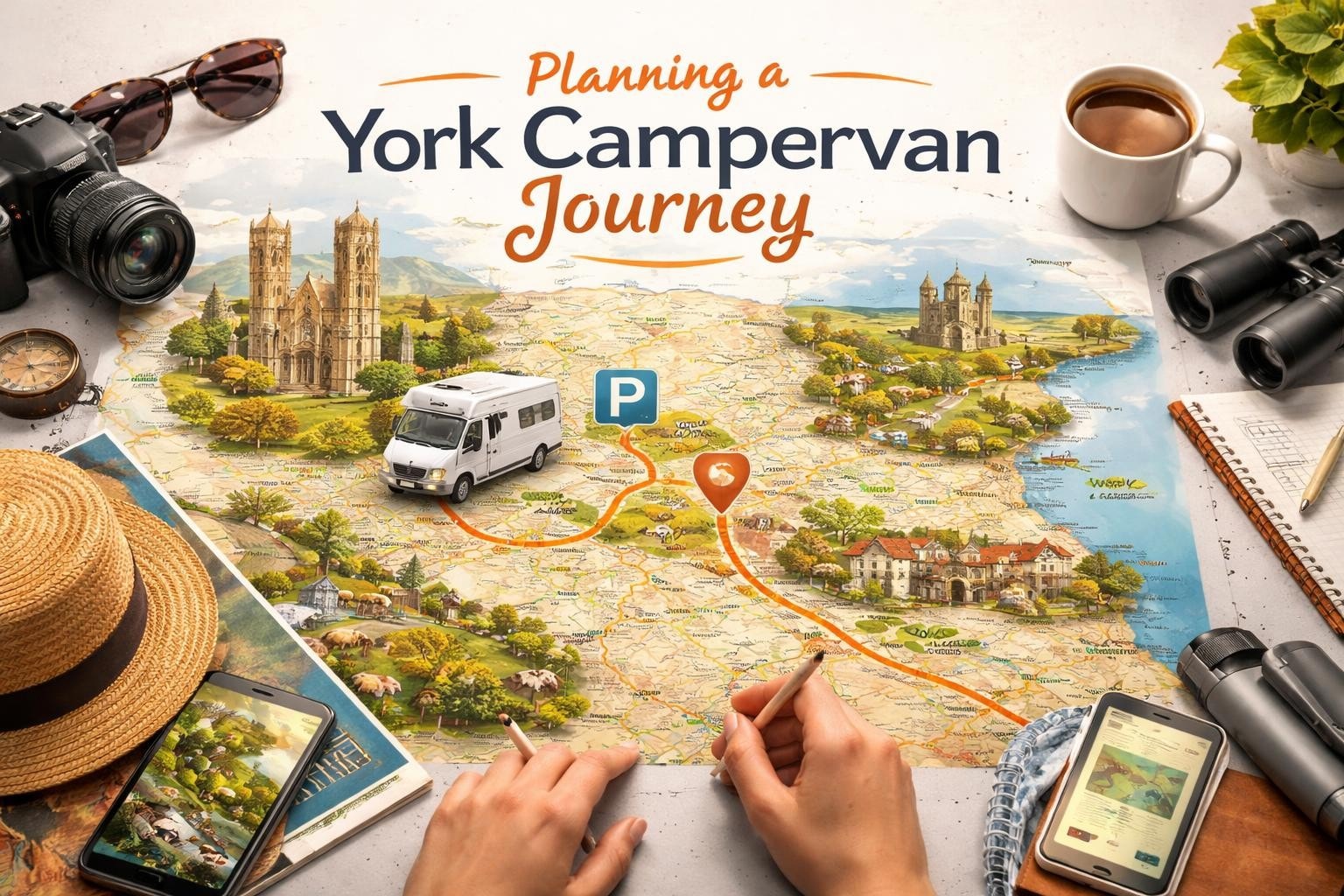
Plan your journey by mapping out key stops, attractions, and campsites. Book campsites in advance, especially for peak seasons. Research legal overnight parking, as wild camping rules vary across the UK.
Take advantage of planning resources, such as apps and destination guides. For inspiration, explore the Top road trips and destinations to discover scenic routes ideal for your touring van adventure.
For example, planning a circuit of the Yorkshire Dales ensures you experience the best local sights and avoid last-minute stress when you rent a touring van.
On collection day, expect a thorough handover. Staff will walk you through the van’s controls, onboard facilities, and safety procedures. Inspect the van for existing damage and confirm emergency contact details.
Checklist for handover:
A 30-minute handover ensures you feel confident and ready to rent a touring van. Take time to ask questions, so you can enjoy your journey with peace of mind.
Understanding the legal and safety essentials is crucial before you rent a touring van. This section covers the key laws, insurance options, and best practices to help you travel with confidence and avoid costly mistakes.
When you rent a touring van in the UK, it is vital to follow specific driving laws. Speed limits for vans differ from regular cars, especially on single carriageways and motorways. Always check local signage, as limits can change depending on the area and van size.
Low Emission Zones (LEZ) and Clean Air Zones (CAZ) are increasingly common in cities like London and Birmingham. If your van is diesel-powered, check if it meets emissions standards to avoid extra charges. Parking restrictions also apply to larger vehicles, and fines can be steep if you park in prohibited zones.
For example, entering the London LEZ with a non-compliant diesel van can result in daily charges. Always plan your route and parking in advance when you rent a touring van to stay compliant and avoid penalties.
Before you rent a touring van, review the insurance options available. Most providers include fully comprehensive insurance as standard, covering damage to your van, third-party liability, and sometimes personal accident cover. Third-party insurance is less common but may offer reduced premiums with less protection.
Excess amounts are the portion you pay in the event of a claim. For most UK van hires, the standard excess is around £1,000. You can often reduce this by paying for additional cover. Some policies also protect personal belongings, but always check the terms.
Here is a quick comparison table:
| Insurance Type | What’s Covered | Typical Excess |
|---|---|---|
| Fully Comprehensive | Van, third-party, theft, fire | £1,000 |
| Third-Party | Third-party only | £1,000+ |
Knowing your options helps you rent a touring van with peace of mind.
Breakdowns can happen, even with the best preparation. When you rent a touring van, ensure your hire includes 24/7 breakdown cover. Most reputable providers offer national recovery, so you are not stranded far from home or your next stop.
If you have an accident or the van is stolen, contact the rental company and local authorities immediately. Emergency numbers should be saved to your phone, and a paper copy kept in the van. Most companies provide a step-by-step guide for emergencies, so review this during your handover.
UK-wide breakdown cover means help is only a call away, giving you confidence to explore new places when you rent a touring van.
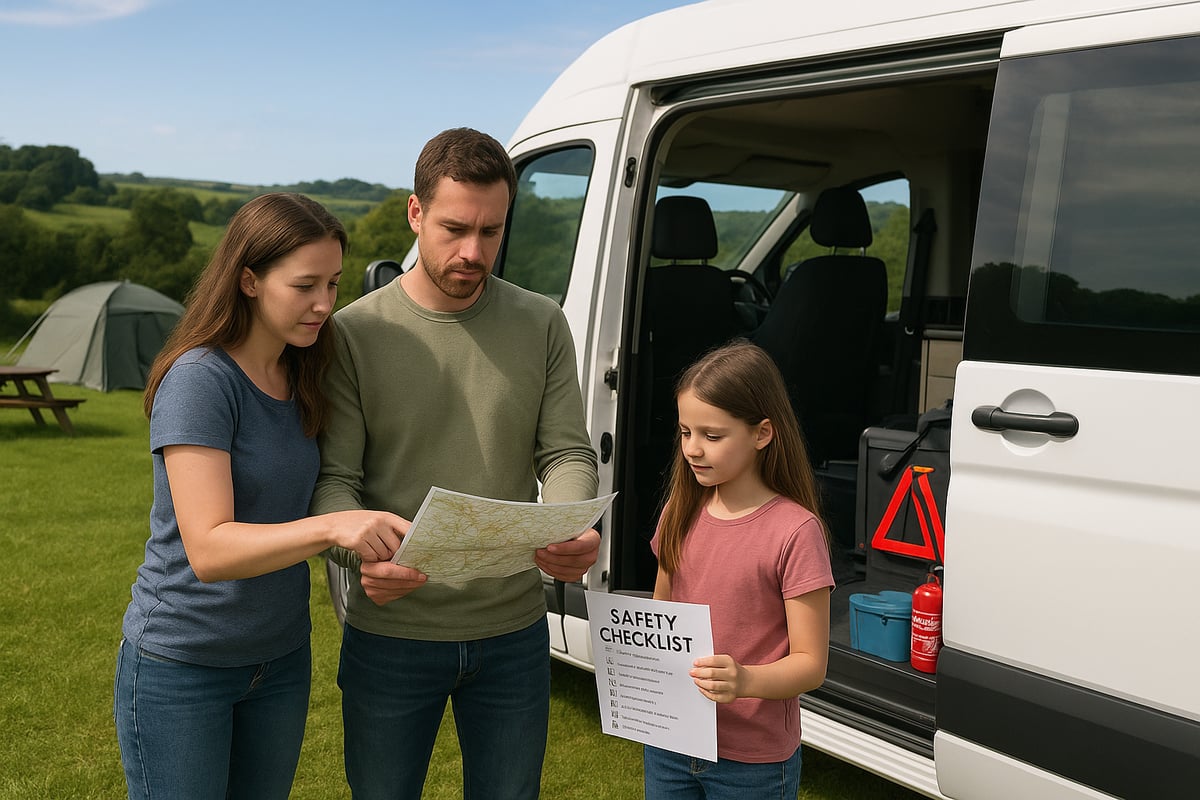
Safety is a top priority for anyone planning to rent a touring van. Always secure valuables, lock doors and windows when leaving the vehicle, and park in well-lit, reputable areas. Fire safety is crucial: check for smoke detectors, keep a fire extinguisher accessible, and ensure good ventilation to prevent carbon monoxide risks.
Consider using GPS trackers and alarms for extra security. For more detailed guidance, see these motorhome and campervan security tips to help protect your investment and ensure a worry-free journey.
By following these safety steps, you make your decision to rent a touring van safer and more enjoyable.
Planning to rent a touring van for travel beyond the UK? You will need to meet extra requirements. For European trips, ensure your insurance covers international travel and request a Green Card if needed. Carry your driving licence, vehicle documents, and breakdown details.
Following Brexit, additional paperwork may be required, including proof of insurance and permission from the hire company. Many European countries have toll roads, so budget for these costs.
For example, if you plan to cross the Channel, check the latest border requirements and ensure your documentation is in order. These steps help you rent a touring van for international journeys without unnecessary hassle.
Preparing to rent a touring van for your 2025 adventure is about more than just picking up the keys. The right preparation ensures a smooth, comfortable, and memorable journey. From packing essentials to final safety checks, every detail matters. Let’s break down each step so you can travel with confidence.
Before you rent a touring van, create a comprehensive packing list. Every traveller’s needs vary, but some essentials remain the same. Make sure you include:
A helpful tip is to pack light but smart, using soft bags instead of hard suitcases for easier storage. For a family of four, assign a packing cube per person to keep things organised. The growing popularity of touring van holidays means more families are seeking efficient ways to pack, as seen in recent VisitBritain short-term rental trends.
Efficient meal planning can save both money and time when you rent a touring van. Stock up on non-perishable basics like pasta, rice, tinned goods, and snacks. For fresh food, plan to shop locally every few days.
Use stackable containers to maximise fridge and cupboard space. Keep a separate cool box for drinks and picnic items. Make the most of the onboard kitchenette by preparing simple meals that require minimal equipment.
A sample meal prep idea: prepare overnight oats in jars for easy breakfasts, and batch-cook pasta sauces that can be reheated quickly. Remember, safe food storage is crucial in compact spaces to avoid waste and maintain hygiene throughout your trip.
Comfort is key to enjoying your journey when you rent a touring van. Bring items that make downtime pleasant and keep everyone entertained:
For longer drives or rainy days, create a small entertainment kit for each passenger. Family movie nights with a portable projector or sharing travel journals can help make memories together. Keeping everyone engaged ensures the journey is as enjoyable as the destination.
Maintaining health and hygiene is essential when you rent a touring van. Pack a well-stocked first aid kit, including plasters, pain relief, antiseptic, and any personal medications.
Onboard toilets and showers require regular maintenance, so bring cleaning supplies and eco-friendly products. Hand sanitiser, wet wipes, and biodegradable rubbish bags are must-haves for longer trips.
If you’re travelling with children, pack extra hygiene items and consider travel sickness remedies. Always plan for waste disposal at campsites and follow local guidelines to protect the environment and your fellow travellers.
A thorough pre-departure check is vital before you rent a touring van. Double-check that all equipment and supplies are loaded and secure. Conduct basic safety checks: inspect tyres for wear, test all lights, and top up fluids.
Download offline maps and campsite directories in advance, especially if you’ll be travelling through remote areas. As you prepare, keep in mind the growing shift toward electric and sustainable fleets discussed in the UK car rental market analysis 2025, which may influence your choice of van and route planning.
Before setting off, complete a final inspection checklist and ensure you have emergency contacts to hand. This preparation sets the stage for a smooth and enjoyable touring van holiday.
Embarking on your journey after you rent a touring van is just the start. Making the most of your adventure requires thoughtful planning, respect for fellow travellers, and a few smart strategies. Let us guide you through the essential steps to ensure your experience is memorable, safe, and cost effective.
When you rent a touring van, mapping out your journey is crucial for a smooth and enjoyable trip. Start by identifying must-see destinations, and balance driving time with relaxing stops. The UK offers iconic routes such as the North Coast 500 in Scotland or the stunning Yorkshire Dales loop.
Use GPS and route planning apps to avoid traffic and find scenic drives. Consider the interests of everyone travelling, whether you prefer coastal paths, historic towns, or national parks. Flexibility is key, so plan alternatives in case of weather changes.
A well planned route ensures you make the most of every day, creating a seamless experience from start to finish.
Respecting campsite rules and wild camping guidelines is essential when you rent a touring van. Always check if your chosen site requires advance booking or allows spontaneous arrivals. In the UK, wild camping is generally restricted, so familiarise yourself with local regulations.
Follow these etiquette tips:
By practising good etiquette, you help preserve the beauty of UK landscapes and ensure a warm welcome for future van travellers.
Travelling by touring van offers many opportunities to save. When you rent a touring van, you can cut costs by cooking your own meals, staying at budget friendly campsites, and using fuel efficiently. Consider joining campsite membership schemes for access to discounted stays.
Recent UK van ownership statistics reveal a surge in van use for both personal and leisure purposes, making it easier to find deals and resources. Plan your fuel stops in advance and use comparison apps to find the best prices.
With a few smart choices, you can enjoy a memorable trip without overspending.
Even the best planned trips can face minor setbacks. If you rent a touring van, be prepared for common issues like flat tyres, dead batteries, or minor breakdowns. Most hire companies provide a toolkit and emergency contact numbers.
Follow this checklist:
Staying calm and prepared ensures that small hiccups do not disrupt your journey.
One of the joys when you rent a touring van is capturing the memories you create along the way. Bring a travel journal to record daily highlights, or set up a digital photo album for each stop. Share your adventures on social media or start a travel blog to connect with the vanlife community.
Popular ways to document include:
These moments become treasured keepsakes, allowing you to relive your adventure long after the journey ends.
As your trip concludes, returning your van smoothly is just as important as pick up. When you rent a touring van, ensure it is clean, tidy, and refuelled according to your agreement. Most companies require a final inspection to check for damage or missing equipment.
Follow this return checklist:
Completing these steps helps you avoid extra charges and ensures a positive end to your adventure.
You’ve now got all the key insights you need to plan an unforgettable road trip in 2025— from choosing the perfect touring van and understanding legal essentials, to packing smart and making the most of every mile in Yorkshire and beyond. If you’re ready to turn your travel plans into reality, The Camper Co’s trusted team in Leeds is here to guide you every step of the way. Their well equipped fleet is designed for comfort, flexibility, and adventure, whether you’re travelling solo, as a couple, or with family. Start your journey today and Book Now