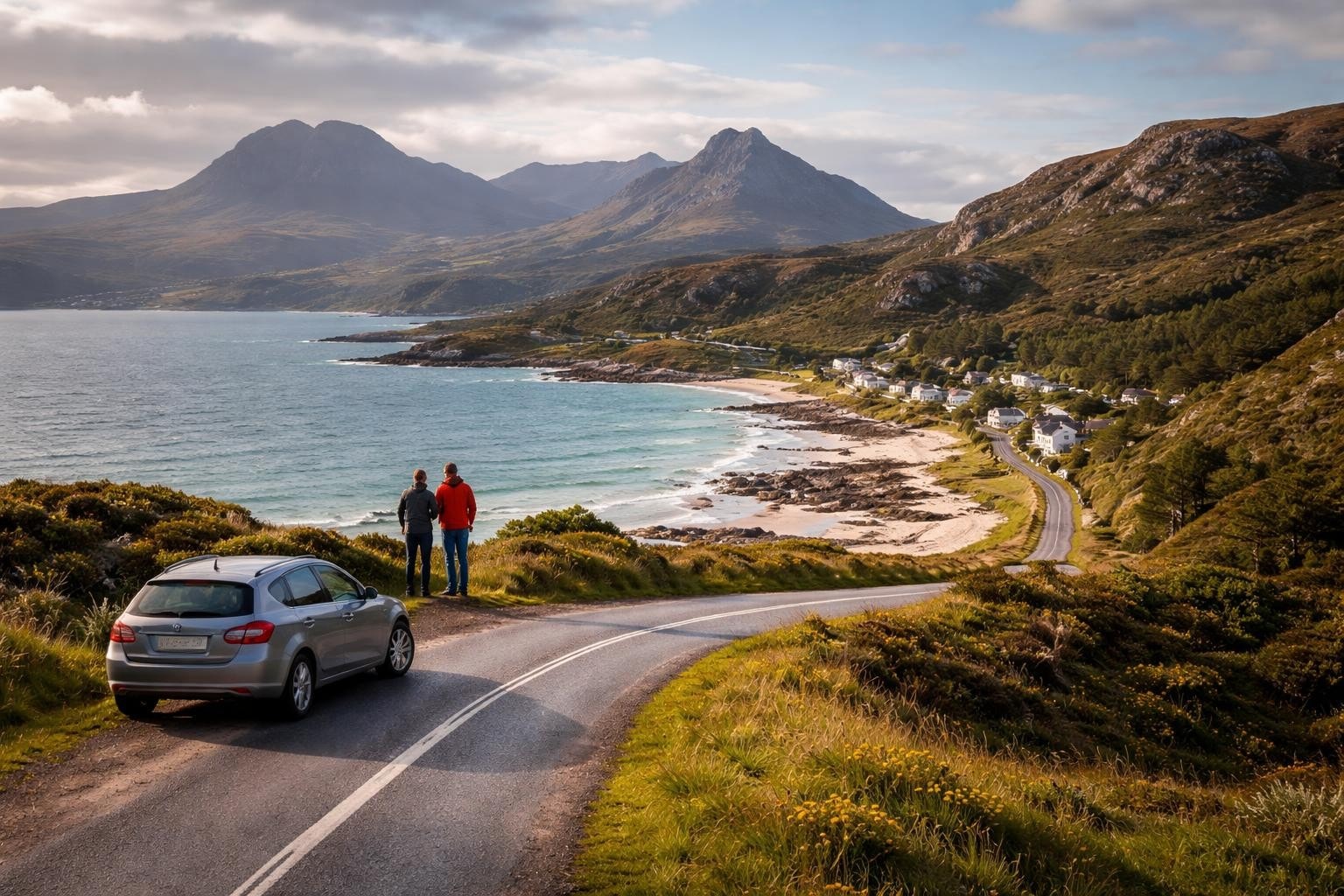
The North Coast 500 has captured the imagination of road trippers across Britain and beyond, transforming Scotland's rugged northern coastline into one of the world's most celebrated driving routes. This spectacular 516-mile circuit takes you through dramatic mountain passes, past pristine beaches, and alongside ancient castles, offering an ever-changing panorama that rivals anything found on the European continent. Whether you're planning your first Scottish adventure or returning to explore alternative nc500 routes, understanding the various options available will help you craft the perfect motorhome journey through the Highlands.
The North Coast 500 follows a circular path starting and ending in Inverness, Scotland's Highland capital. This iconic route was officially launched in 2015 and has since become one of Britain's most sought-after road trip experiences, earning recognition as the UK’s favorite driving route in numerous travel surveys.
The traditional circuit divides into five distinct sections, each offering unique landscapes and attractions:
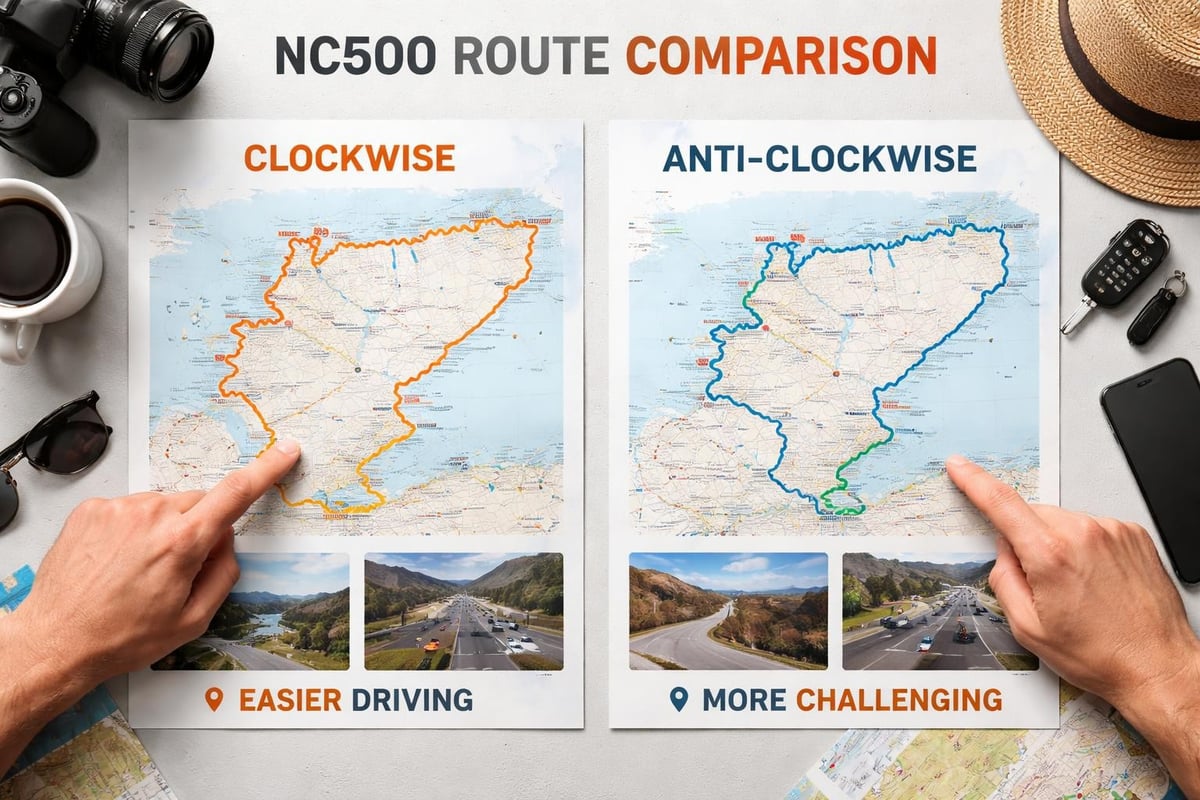
Choosing your direction significantly impacts your NC500 experience. Most travelers opt for an anti-clockwise route, tackling the dramatic west coast first whilst energy levels remain high. This approach also means navigating the infamous Bealach na Bà pass with views on your right-hand side, making photography stops safer and more straightforward.
The clockwise alternative offers its own advantages. You'll encounter gentler gradients initially, building confidence before reaching the more challenging western sections. Additionally, traveling clockwise often means quieter roads, as you'll be moving against the flow of the majority of NC500 traffic.
| Direction | Best For | Main Advantages | Considerations |
|---|---|---|---|
| Anti-clockwise | First-timers, photographers | Better views from driver position, tackle challenges early | Busier routes, more traffic |
| Clockwise | Nervous drivers, off-peak travel | Gentler start, quieter roads | Tougher sections at journey's end |
Whilst the official nc500 routes follow established roads, numerous variations let you customize your journey. These alternatives can help you avoid crowds during peak season, discover hidden gems, or adapt to time constraints and weather conditions.
Time-pressed travelers can complete a condensed version in four to five days rather than the recommended seven. This streamlined approach focuses on major highlights:
This faster pace means less time for spontaneous stops and exploration, but it works beautifully for those with limited holiday allowance. Remember that driving a motorhome requires more time than a car, particularly on single-track roads where passing places demand patience and careful maneuvering.
For those with additional time, extending your NC500 journey creates opportunities to explore inland routes and lesser-known attractions. Popular extensions include:
These variations transform the NC500 from a week-long adventure into a fortnight's comprehensive Highland exploration. Each extension adds unique landscapes and cultural experiences, from ancient archaeological sites to wildlife watching opportunities.
Single-track roads form a significant portion of the NC500, particularly along the western and northern coasts. These narrow lanes, barely wide enough for one vehicle, feature designated passing places at regular intervals. Mastering single-track etiquette proves essential for stress-free motorhome travel.
Key single-track rules:
The official NC500 guidance emphasizes patience and courtesy on these roads. Motorhomes require extra care due to their size and limited visibility, particularly when reversing. Many hire vehicles come equipped with reversing cameras, but practice and confidence build quickly once you've navigated your first few encounters.
Scotland's weather can change dramatically within hours, particularly in the Highlands. Winter brings snow to high passes like Bealach na Bà, which may close temporarily between November and March. Summer offers the longest daylight hours, but midges become prevalent in sheltered areas during calm, warm conditions.
Spring (April to May) and autumn (September to October) often provide the sweet spot for NC500 routes. You'll encounter fewer tourists, more accommodation availability, and pleasant temperatures, though you should always pack for four seasons regardless of your travel dates.

Regardless of which variation you choose, certain locations deserve a place on every NC500 itinerary. These stops showcase the route's incredible diversity, from geological wonders to cultural landmarks.
The western section delivers some of Scotland's most dramatic scenery. Applecross sits at the heart of this region, accessible either via the thrilling Bealach na Bà or the gentler coastal route from Shieldaig. The village's famous inn serves fresh seafood overlooking the bay, with views across to Raasay and Skye.
Achmelvich Beach near Lochinver rivals any Caribbean shoreline, with white sand and turquoise waters (albeit considerably colder). The area provides excellent wild camping opportunities, though always follow the Scottish Outdoor Access Code and use designated motorhome facilities where available.
| Location | Region | Key Features | Motorhome Facilities |
|---|---|---|---|
| Applecross | West Coast | Bealach na Bà pass, seafood restaurant | Limited parking, tight village streets |
| Achmelvich | Northwest | White sand beach, clear waters | Designated motorhome parking available |
| Smoo Cave | North | Sea cave with waterfall | Large car park suitable for motorhomes |
| Dunnet Head | North | Britain's most northerly point | Good parking, café facilities |
Smoo Cave near Durness combines geological wonder with easy access. This massive sea cave features an internal waterfall and allows visitors to explore both by foot and boat. The site provides ample motorhome parking and makes an excellent lunch stop.
Further east, Dunnet Head claims the title of Britain's true northernmost point (despite John o'Groats' fame). The dramatic lighthouse setting offers spectacular clifftop walks and excellent birdwatching opportunities.
The east coast presents a gentler landscape with charming fishing villages like Dornoch, home to championship golf courses and a magnificent 13th-century cathedral. The town offers better motorhome facilities than many western locations, with designated parking and comprehensive services.
Glenmorangie Distillery near Tain provides an excellent introduction to Highland whisky production. Tours run regularly, and the visitor center welcomes motorhome travelers with appropriate parking arrangements.
How long should you allocate for the NC500? The answer depends entirely on your travel style and interests. Responsible travel guides recommend allowing sufficient time to truly experience each region rather than rushing through.
The standard week-long approach allows time for major highlights whilst maintaining a relaxed pace:
This schedule builds in flexibility for weather delays, spontaneous detours, and those unexpected discoveries that make motorhome travel so rewarding. You're not racing against time but savoring the journey at your own pace.
Fourteen days transforms the NC500 from a road trip into an immersive Highland experience. Extra time allows for:
This extended timeframe particularly suits families with children, older travelers seeking a gentler pace, or anyone wanting to truly connect with Highland culture and landscapes.
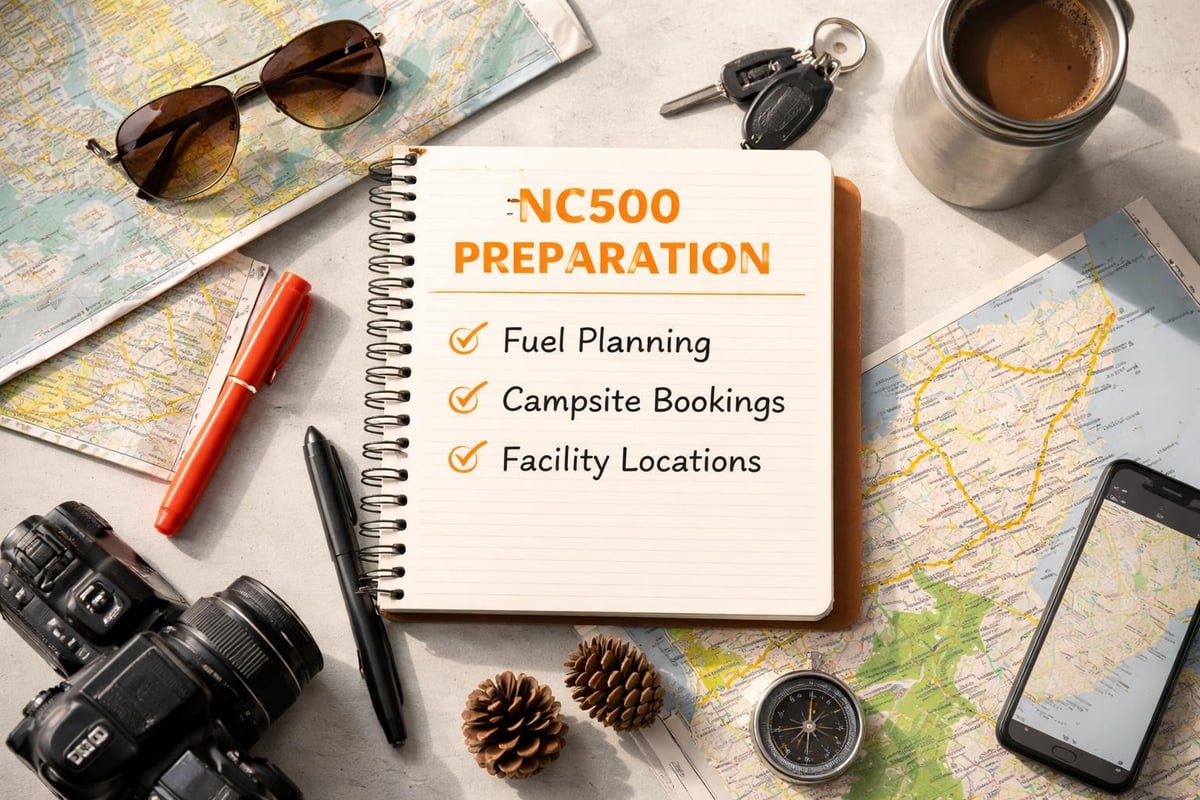
Traveling the NC500 in a motorhome requires specific planning beyond standard road trip preparation. Fuel stations become sparse along western and northern sections, with gaps exceeding 40 miles between pumps. Always fill up when opportunities arise, and never let your tank drop below half full in remote areas.
Essential motorhome preparations:
The RAC’s comprehensive NC500 guide emphasizes the importance of vehicle preparation, particularly for larger motorhomes that may struggle on steeper gradients or tighter corners.
Scotland's generous access laws permit wild camping, but the NC500's popularity has led to restrictions in certain areas. Always use designated motorhome facilities where available, and follow Leave No Trace principles rigorously.
Campsite options along nc500 routes include:
Booking ahead proves essential during peak season, particularly for sites with electric hookups. Many travelers adopt a mixed approach, combining campsite stays with responsible wild camping in permitted areas.
The most rewarding nc500 routes balance famous attractions with unexpected discoveries. Allow time to explore small museums, chat with locals in village shops, and follow intriguing signposts down unmarked roads. These spontaneous moments often create the most lasting memories.
Photography opportunities abound throughout the route. The long summer daylight hours (nearly 24 hours of daylight in midsummer at northern latitudes) provide exceptional conditions for landscape photography. Golden hour lasts for hours, creating perfect conditions for capturing the Highlands' dramatic scenery.
Consider your interests when planning stops. History enthusiasts might prioritize castles and archaeological sites, whilst nature lovers focus on wildlife hotspots and coastal walks. The beauty of motorhome travel lies in this flexibility – your itinerary evolves with your discoveries and preferences.
Many travelers use the NC500 as an introduction to Scottish Highlands exploration, returning to delve deeper into specific regions. The route connects beautifully with other Scottish driving routes, including the equally spectacular coastal roads throughout Argyll and the Hebrides.
Starting your journey from Leeds with a hired motorhome, you'll traverse the stunning landscapes of Northern England before crossing into Scotland. This extended route allows you to discover the Borders, explore Edinburgh, or venture into the Cairngorms before beginning the NC500 proper.
The journey from Yorkshire to Inverness takes approximately seven to eight hours without stops, but smart travelers break this into a two-day journey with overnight stops in the Lake District or Northumberland. This approach ensures you arrive at the NC500 starting point refreshed and ready for adventure rather than road-weary from a marathon drive.
Your return journey needn't retrace the same path. Consider these alternatives:
Each option extends your Scottish adventure whilst providing fresh landscapes and experiences. The flexibility of motorhome travel means you can adapt your return route based on weather, time available, and attractions that captured your imagination along the NC500.
Understanding seasonal differences helps optimize your nc500 routes experience. Recent surveys highlight the route's year-round appeal, but each season offers distinct advantages and challenges.
Summer (June to August) delivers the warmest weather, longest days, and fullest facilities, but also brings crowds, higher prices, and midges. Booking accommodation becomes essential, and popular viewpoints can feel busy during peak hours.
Autumn (September to October) provides spectacular colors as heather blooms purple across the moors and deciduous trees turn golden. Tourist numbers drop significantly after school holidays end, whilst weather often remains pleasant through September.
Winter (November to March) suits experienced travelers seeking solitude and dramatic winter landscapes. Snow-capped mountains provide stunning backdrops, but some facilities close, daylight hours shrink, and weather conditions demand extra caution. High passes may close temporarily during severe weather.
Spring (April to May) brings lengthening days, emerging wildlife, and manageable tourist numbers. Lambing season adds pastoral charm to the agricultural areas, whilst migrating birds return to coastal cliffs and moorlands.
Comprehensive planning transforms good trips into exceptional adventures. Beyond this guide, several resources prove invaluable for NC500 preparation.
The official North Coast 500 website provides regularly updated information about road conditions, events, and new attractions. Their accommodation listings include motorhome-friendly sites, whilst route maps highlight points of interest along each section.
Detailed road atlases remain useful despite digital navigation, particularly given the patchy mobile coverage across remote regions. Ordnance Survey maps at 1:50,000 scale show single-track roads, passing places, and terrain features that help anticipate challenging sections.
Local tourist information centers stock current leaflets about attractions, walking trails, and temporary road closures. Staff provide insider knowledge about quiet viewpoints, recently opened facilities, and weather forecasts for specific areas.
Weather apps prove essential, but supplement them with local knowledge. Coastal areas often experience different conditions than inland glens just miles away, and mountain weather can change dramatically within hours.
The NC500 represents one of Britain's finest motorhome adventures, combining dramatic scenery, rich culture, and the freedom of the open road into an unforgettable journey. Whether you choose the classic circuit or customize your own variation, proper planning ensures you'll experience the Highlands at their magnificent best. The Camper Co provides the perfect vehicles for exploring Scotland's legendary route, with a range of campervans and motorhomes designed for comfort and reliability on Highland roads. Start planning your NC500 adventure today and discover why this spectacular circuit continues to captivate travelers from across the globe.