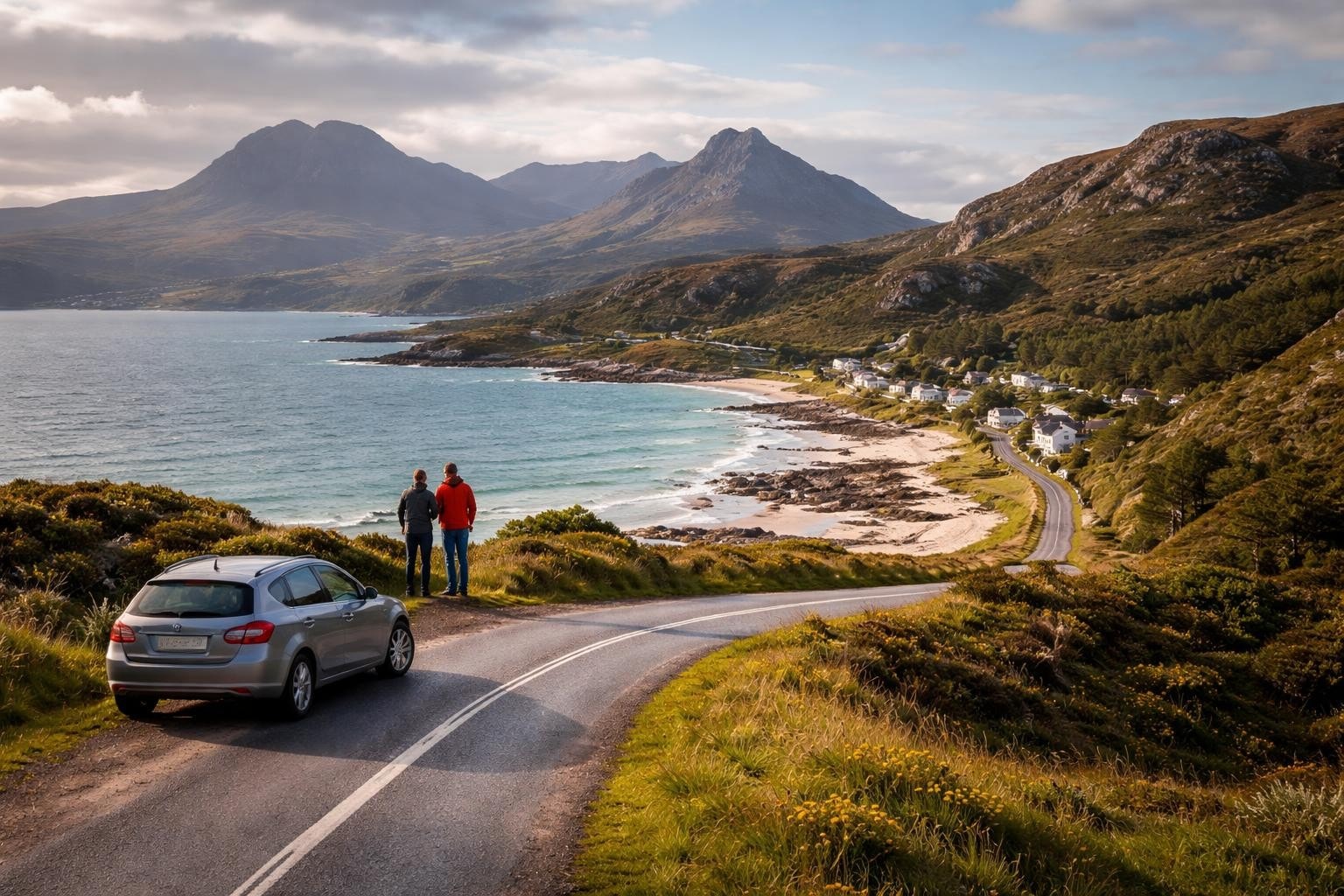
Scotland's North Coast 500 has rapidly become one of the world's most celebrated road trips, and for good reason. This spectacular 516-mile circular route around the northern Highlands offers a perfect blend of dramatic coastal scenery, ancient castles, charming villages, and untamed wilderness. Exploring destination NC500 in a motorhome or campervan provides the ultimate freedom to discover Scotland's raw beauty at your own pace, with the flexibility to stop wherever the landscape calls to you.
The NC500 route begins and ends in Inverness, winding along Scotland's northern coastline through some of the most spectacular scenery imaginable. Unlike traditional holidays where you're tied to hotel bookings and rigid schedules, travelling destination NC500 in a campervan means you can wake up to Highland views, adjust your itinerary based on weather, and truly immerse yourself in Scotland's remote beauty.
Key advantages of motorhome travel on the NC500:
The route typically takes between five and seven days to complete properly, though many travelers extend this to two weeks to fully appreciate the journey. Rushing through destination NC500 would mean missing hidden beaches, spontaneous wildlife encounters, and those magical moments when you have an entire coastline to yourself.
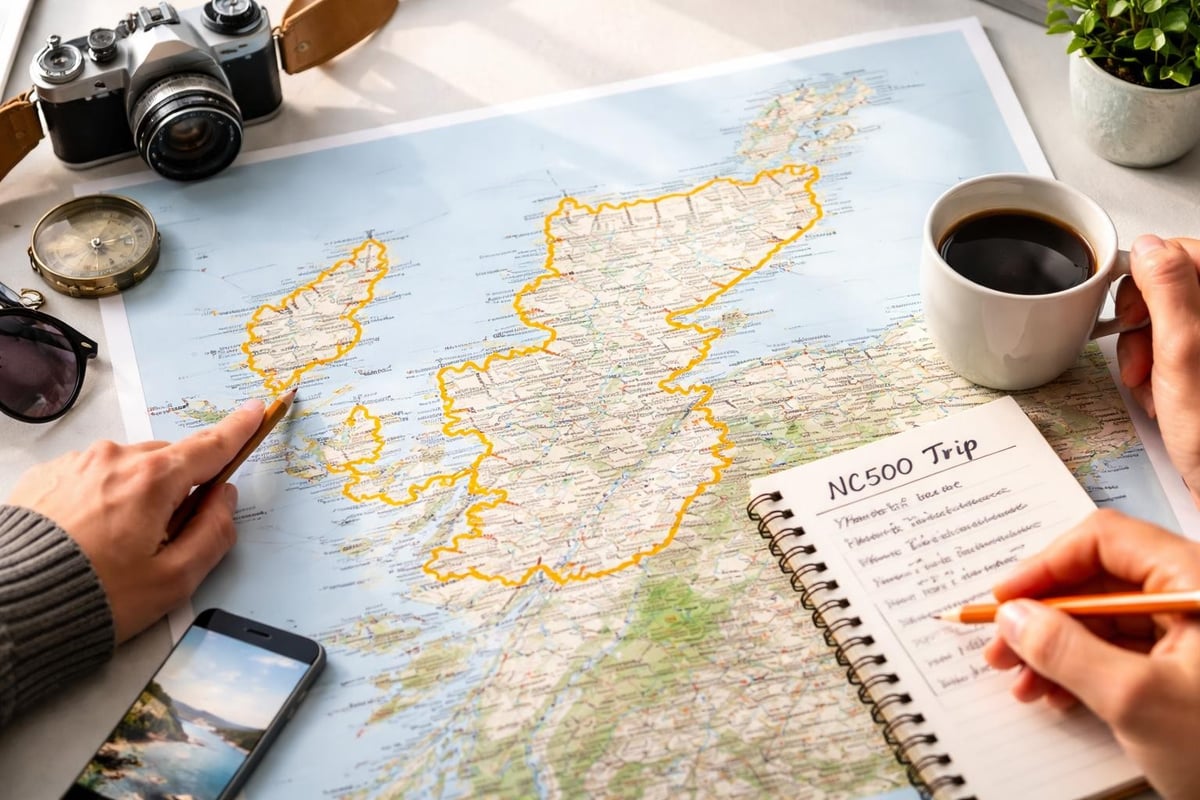
Understanding the route's geography is essential for planning an effective journey. The North Coast 500 route can be driven clockwise or anticlockwise, with each direction offering distinct advantages depending on your travel style and preferences.
Most experienced NC500 travelers recommend the anticlockwise direction for several practical reasons. Driving anticlockwise means you'll be on the inside lane when navigating the dramatic coastal sections, giving passengers better views and making photography stops easier. The route also builds anticipation gradually, saving some of the most spectacular coastal scenery for the latter part of your journey.
| Direction | Advantages | Considerations |
|---|---|---|
| Anticlockwise | Better coastal views, easier parking at viewpoints, gradual build-up of scenery | Single-track roads come earlier in journey |
| Clockwise | Hit dramatic sections first, potentially better for photography angles | More challenging parking at coastal viewpoints |
| Either direction | Complete freedom, can adjust based on weather forecasts | Plan fuel stops carefully regardless |
Timing your NC500 adventure significantly impacts your experience. Late spring through early autumn (May to September) offers the longest daylight hours and most reliable weather, though Scotland's climate remains gloriously unpredictable year-round.
Summer months (June-August) bring 18-hour daylight, perfect for maximizing sightseeing, but also attract the largest crowds. Campsites fill quickly, and popular viewpoints can become congested during peak times.
Shoulder seasons (April-May and September-October) provide excellent compromise. You'll encounter fewer tourists, experience more authentic interactions with locals, and find accommodation more readily available. The autumn colors across the Highlands create particularly stunning photography opportunities.
Winter travel (November-March) suits adventurous travelers seeking solitude and dramatic landscapes. However, many facilities close, weather can be severe, and daylight hours are limited. Only consider winter NC500 travel if you're experienced with challenging driving conditions and self-sufficient camping.
The beauty of motorhome travel lies in flexibility, but certain locations deserve priority on any NC500 itinerary. These highlights represent the route's diversity, from historic landmarks to natural wonders.
The Bealach na Bà pass to Applecross remains one of Britain's most dramatic roads. This single-track mountain pass features hairpin bends and gradients that test both vehicle and driver, rewarding perseverance with absolutely breathtaking views across to Skye and the Inner Hebrides.
Applecross village itself offers excellent seafood, friendly locals, and a peaceful atmosphere. The Applecross Inn serves fresh langoustines and local fish, perfect after navigating the challenging approach road.
Further north, the white sand beaches of Achmelvich and Clachtoll rival Caribbean destinations for beauty, though the water temperature provides a distinctly Scottish reality check. These beaches offer excellent wild camping opportunities, though always follow the Scottish Outdoor Access Code and practice leave-no-trace principles.
Durness sits at Scotland's northwestern corner, where limestone cliffs meet white sandy beaches at Balnakeil Bay. The village serves as an excellent base for exploring Smoo Cave, a spectacular sea cave featuring both fresh and saltwater elements. The cave's entrance chamber can be explored freely, whilst boat tours access the inner chambers when water levels permit.
Cape Wrath, Britain's northwestern extremity, requires a ferry crossing and minibus journey but rewards adventurous travelers with absolute remoteness and dramatic cliff scenery. Check operating schedules in advance, as weather can disrupt services.
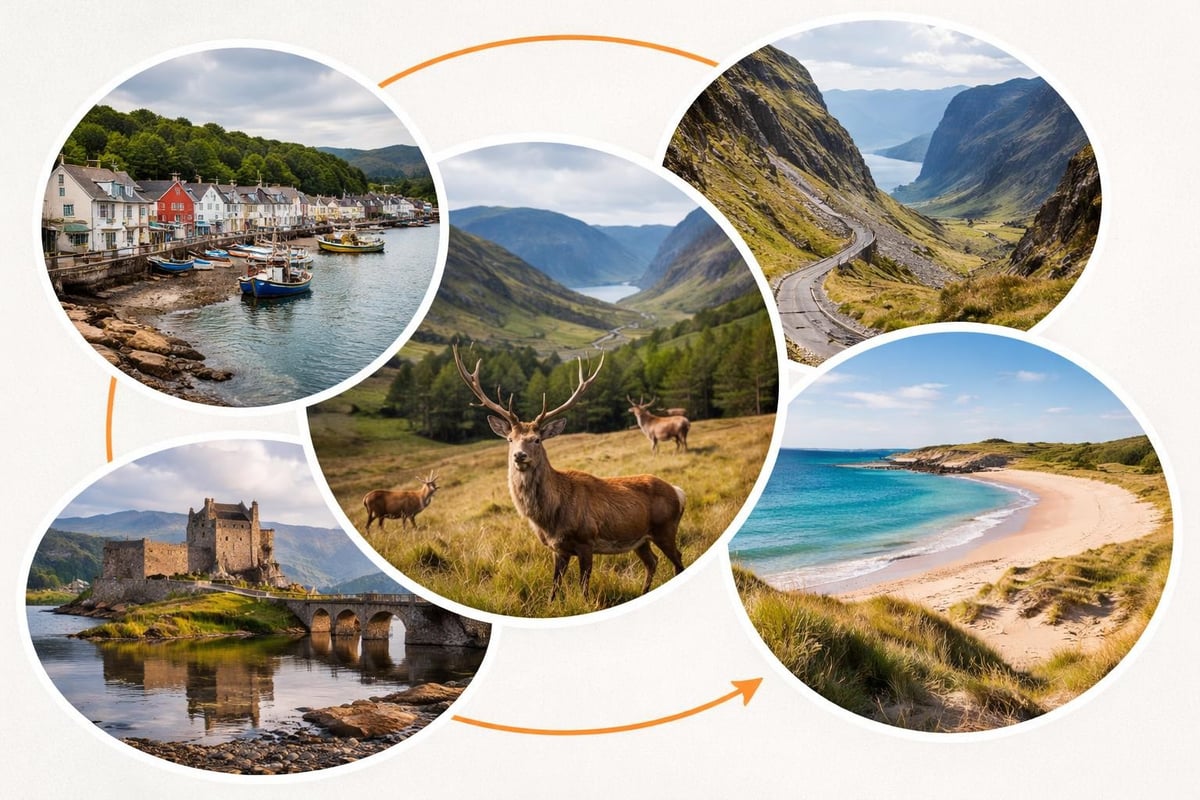
The eastern section of destination NC500 offers contrasting experiences, with gentler landscapes and rich historical sites. Dunrobin Castle near Golspie presents Scotland's fairytale architecture at its finest, with formal gardens and daily falconry displays during summer months.
Wildlife watching opportunities:
The charming town of Dornoch deserves an extended stop. Its championship golf course, medieval cathedral, and excellent cafes create a perfect rest day destination. The beaches here stretch for miles, ideal for evening walks after a day's driving.
Successfully navigating destination NC500 in a motorhome requires understanding the route's unique challenges and preparing accordingly.
Much of the NC500 consists of single-track roads with designated passing places. These require courtesy, patience, and proper etiquette:
Larger motorhomes should exercise particular caution on narrow sections. The western coastal route between Lochinver and Kylesku contains especially challenging stretches. Drive slowly, remain alert, and don't attempt passes during busy periods.
Fuel stations appear infrequently along parts of destination NC500, particularly along the northern and western sections. Never let your tank drop below half-full, and note station locations when planning daily routes.
| Service | Availability | Planning Tips |
|---|---|---|
| Fuel Stations | Limited in remote areas | Fill up in Ullapool, Durness, Tongue, and Thurso |
| Fresh Water | Campsites and some villages | Carry extra capacity between stops |
| Waste Disposal | Designated dump points | Use Motorhome Stopover apps for locations |
| Grocery Shopping | Main towns only | Stock up in Ullapool, Lochinver, or Thurso |
| Mobile Signal | Patchy or absent | Download maps and guides offline |
Water refill points and waste disposal facilities exist at most campsites and some designated motorhome-friendly stops. Planning your itinerary should account for these practical necessities, especially if traveling in a larger vehicle with limited tank capacity.
Scotland's Right to Roam legislation permits wild camping, but this comes with responsibilities. Park considerately, stay no more than two nights in one location, and leave absolutely no trace of your visit. Popular beauty spots have experienced overuse problems, with some areas now restricting overnight parking due to irresponsible behavior.
Designated campsites along destination NC500 offer facilities including electric hookups, showers, and waste disposal. Booking ahead during summer months proves essential, as prime locations fill quickly. Many sites offer spectacular positions overlooking lochs or coastlines.
Motorhome-specific stopovers have increased along the route, offering basic overnight parking with waste facilities. These provide excellent middle-ground options between wild camping and full campsites.
Scottish Highland weather demands respect and preparation. Conditions change rapidly, with sunshine and storms often occurring within hours. Midges (tiny biting insects) appear during warm, still conditions from May through September, particularly around dusk. Bring midge repellent and consider staying in breezier coastal locations during peak midge season.
Weather appropriate clothing includes waterproofs regardless of season, layered clothing for variable temperatures, and sturdy footwear for walking. Highland weather can deliver four seasons in a single day, making adaptable clothing essential.
The extended summer daylight (nearly 24 hours in midsummer at these latitudes) enables flexible scheduling and spontaneous detours. Conversely, winter's limited daylight (as little as six hours) requires tight scheduling and early starts.
Beyond spectacular scenery, destination NC500 offers cultural experiences that connect travelers with Highland traditions and contemporary Scottish life.
The route passes numerous distilleries, from established names to craft producers. Glenmorangie near Tain and Old Pulteney in Wick offer tours showcasing whisky production. Designated drivers should plan ahead, as Highland roads demand complete concentration.
Local seafood appears on menus throughout the route. Langoustines, scallops, and fresh fish caught that morning represent Highland cuisine at its finest. Many villages host weekly markets during summer, selling local crafts, produce, and artwork.
Castle exploration opportunities abound along destination NC500. Beyond the grand Dunrobin Castle, numerous ruins dot the landscape, many freely accessible and providing atmospheric photography subjects.
The route passes through areas steeped in Highland history, from Clearances monuments to Norse settlement sites. Taking time to understand this context enriches the journey beyond simple sightseeing.
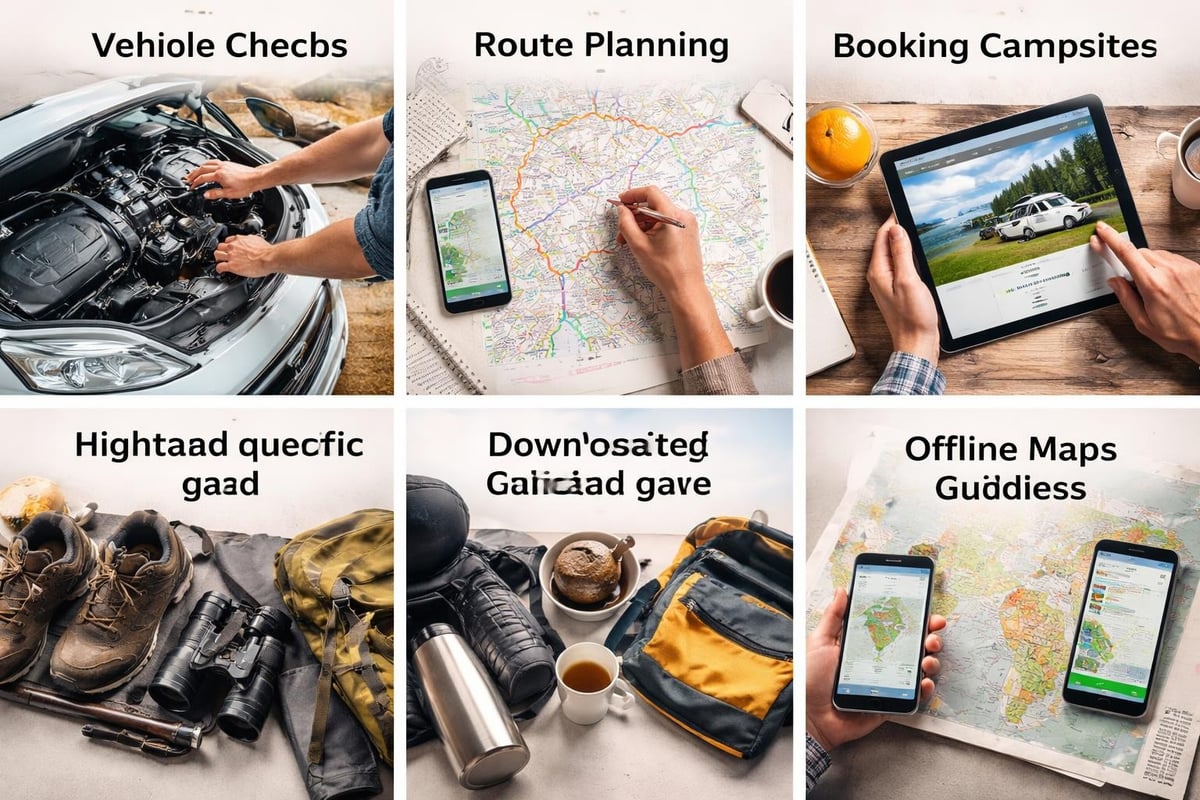
Choosing an appropriate motorhome size significantly impacts your NC500 experience. Compact campervans navigate single-track roads more easily, fit into smaller parking areas, and consume less fuel. Larger motorhomes offer more comfort and facilities but require extra caution on narrow sections.
Pre-journey vehicle checks:
Pack a detailed road atlas alongside digital navigation. Mobile signal disappears frequently, and GPS occasionally struggles with remote Highland roads. Paper maps never run out of battery and provide valuable journey context.
The best NC500 experiences often happen spontaneously. A local recommends a hidden beach, weather clears unexpectedly over a mountain, or you discover a village café serving exceptional home baking. Build flexibility into your schedule to accommodate these moments.
Photography enthusiasts should plan for early mornings and late evenings when light quality peaks and crowds thin. The extended summer daylight hours enable productivity without early rising, whilst autumn's lower sun creates dramatic landscape lighting throughout the day.
Engage with locals whenever possible. Highland hospitality remains genuine, and conversations often yield insider knowledge about hidden gems, current road conditions, or weather patterns. Supporting local businesses contributes to communities increasingly reliant on tourism but striving to maintain authentic character.
As destination NC500 grows in popularity, environmental pressures increase. Responsible motorhome travel includes:
The route's future sustainability depends on travelers acting as temporary Highland residents rather than mere tourists passing through.
Before departing, explore detailed itineraries that break the route into manageable sections. The official NC500 website provides current road condition updates, while motorhome forums offer recent traveler experiences and practical tips.
Download offline maps covering the entire route, as navigation becomes challenging when signal disappears. Scotland's weather apps provide valuable forecasting, though Highland conditions remain notoriously difficult to predict beyond 24 hours.
Consider traveling outside peak season if possible. May, June, and September offer excellent conditions with significantly fewer crowds than July and August. The landscape transforms with seasons, making multiple NC500 journeys appealing to returning travelers.
Budgeting should account for fuel costs (higher in remote areas), campsite fees, attraction entries, and dining. Self-catering capabilities reduce costs significantly, though sampling local restaurants adds valuable cultural dimension to your journey.
Many travelers combine destination NC500 with wider Scottish exploration. The route connects naturally with Isle of Skye visits, Cairngorms National Park, or Edinburgh cultural experiences. Planning multi-week Scottish adventures provides comprehensive Highland appreciation whilst maximizing travel investment.
Starting from Leeds and West Yorkshire, the journey to Inverness takes approximately six to seven hours via motorway routes. Alternatively, scenic approaches through the Lake District and Scottish Borders add journey time but enhance the overall experience. Breaking the outbound journey with overnight stops in Dumfries or Glasgow prevents arrival fatigue and begins your holiday in a more relaxed manner.
Returning south, consider alternative routes exploring Scotland's western coastline or eastern cities. The flexibility of motorhome travel enables spontaneous route modifications based on weather, interests, or newly discovered locations worthy of extended exploration.
The North Coast 500 represents Britain's ultimate motorhome adventure, combining spectacular scenery, cultural richness, and the freedom to explore at your own pace. Whether you're planning your first NC500 journey or returning to discover sections missed previously, traveling in a well-equipped campervan transforms this iconic route into an unforgettable experience. The Camper Co provides quality motorhomes and campervans perfectly suited for Scottish Highland adventures, with fleet options ranging from compact two-berth campervans ideal for navigating single-track roads to spacious family motorhomes offering comfort after long driving days. Start planning your destination NC500 adventure today and discover why this route has captured imaginations worldwide.