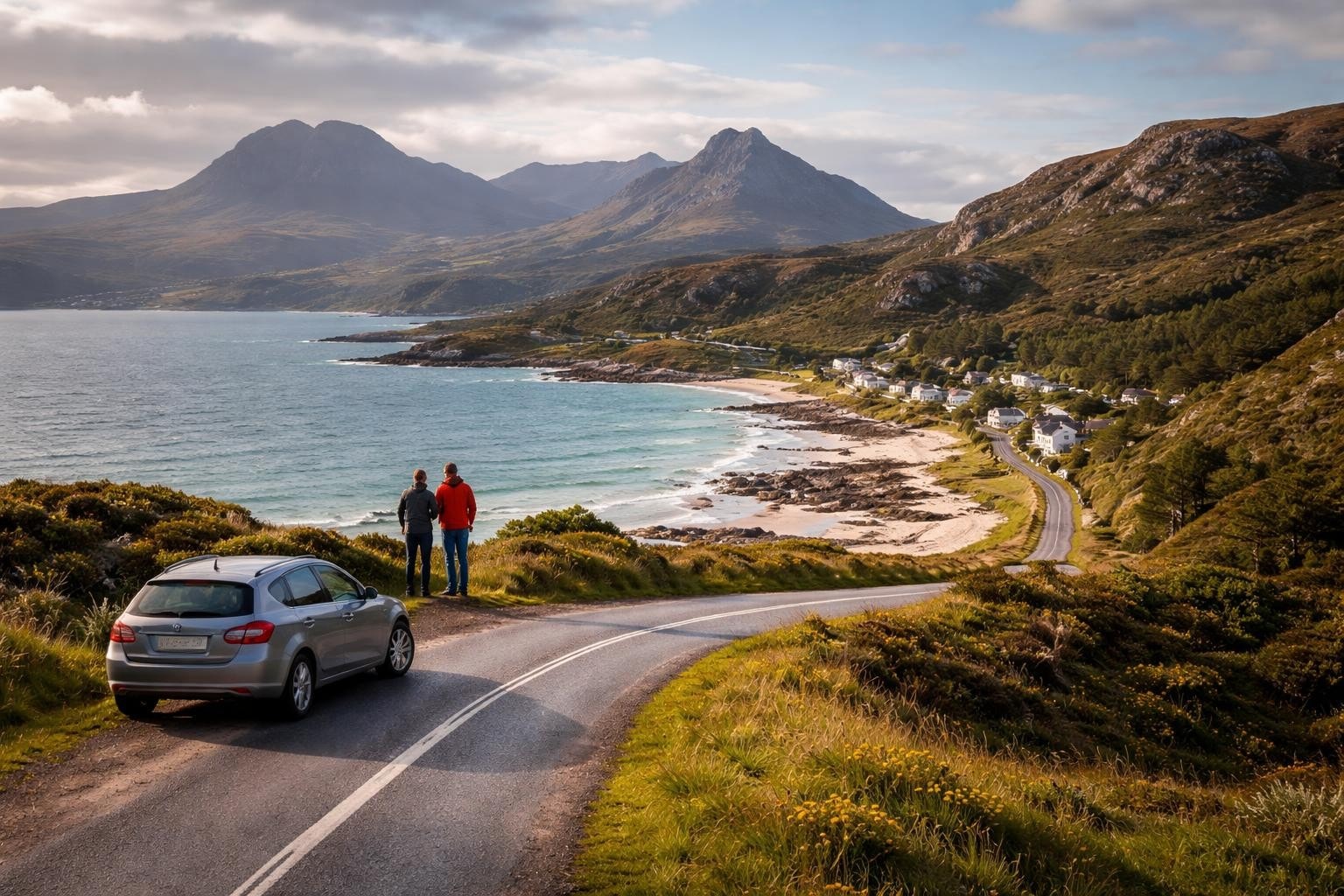
Cornwall's rugged coastline, hidden coves, and charming villages make it one of Britain's most sought-after motorhome destinations. Whether you're dreaming of waking up to ocean views, exploring ancient heritage sites, or discovering secluded beaches, planning a cornish motorhome hire adventure opens up endless possibilities for your 2026 getaway. From the dramatic cliffs of Land's End to the picturesque harbours of Padstow and Fowey, Cornwall rewards those who explore it at their own pace, and a motorhome provides exactly that freedom.
Cornwall's unique geography makes it exceptionally well-suited for motorhome exploration. The peninsula stretches over 80 miles from the Devon border to Land's End, with two distinct coastlines offering completely different experiences.
The north coast presents dramatic Atlantic-facing cliffs, world-class surfing beaches, and wild, windswept landscapes. Meanwhile, the south coast offers sheltered harbours, gentler waters, and countless tucked-away coves. With a motorhome, you can experience both sides without the constraints of fixed accommodation.
Cornwall has invested significantly in motorhome-friendly infrastructure over recent years. You'll find:
The Cornwall Wildlife Trust maintains several nature reserves with motorhome-accessible parking, allowing you to combine wildlife watching with your road trip. Many of these locations provide excellent bases for exploring Cornwall's natural heritage without the need for lengthy drives.

Successful motorhome adventures start with thoughtful planning. While spontaneity is part of the appeal, understanding Cornwall's seasonal patterns and booking considerations ensures a smoother experience.
| Season | Advantages | Considerations |
|---|---|---|
| Spring (March-May) | Wildflowers bloom, fewer crowds, mild weather | Some facilities may have limited hours |
| Summer (June-August) | Peak season, warmest weather, all attractions open | Busy roads, campsite booking essential |
| Autumn (September-November) | Beautiful colours, harvest season, pleasant temperatures | Earlier sunsets, some seasonal closures |
| Winter (December-February) | Empty beaches, dramatic storms, peaceful campsites | Limited facilities, unpredictable weather |
When considering cornish motorhome hire for your trip, remember that Cornwall's microclimate means weather can vary dramatically even within short distances. The Lizard Peninsula might be bathed in sunshine whilst Bodmin Moor remains shrouded in mist.
Cornwall's road network requires particular attention when driving a motorhome. Many of the most beautiful locations sit at the end of narrow, high-banked lanes that challenge larger vehicles.
Major routes like the A30 and A39 provide straightforward access across the region, but the real magic lies off these main arteries. Before venturing down minor roads, check:
The Cornwall Council provides detailed information on public rights of way that can help you identify walking routes accessible from larger car parks where you can safely leave your motorhome.
Cornwall packs extraordinary variety into its compact territory. Your cornish motorhome hire adventure allows you to experience everything from prehistoric monuments to contemporary art galleries, often within the same day.
Padstow and Rock offer excellent motorhome facilities with multiple campsites within easy reach. The Camel Estuary provides sheltered waters perfect for paddle boarding, whilst the Camel Trail offers 18 miles of traffic-free cycling. Padstow's working harbour remains one of Cornwall's most atmospheric spots, particularly during early morning fish auctions.
Newquay serves as Cornwall's surf capital, with several beaches offering different wave conditions. Motorhome parking exists at most major beaches, though arrive early during summer months. Fistral Beach attracts international surf competitions, whilst Watergate Bay provides a more family-friendly environment.
Tintagel combines Arthurian legend with spectacular coastal scenery. The newly constructed bridge to Tintagel Castle (opened in 2019) offers breathtaking views, though motorhome parking requires using the village car park and walking approximately 15 minutes to the site.
The Roseland Peninsula remains one of Cornwall's best-kept secrets, accessible via the King Harry Ferry (weight restrictions apply, check before travelling). St Mawes Castle and the subtropical gardens at Lamorran House reward those who make the journey.
Fowey presents a quintessential Cornish harbour town with excellent walking routes along the coast path. Motorhome parking exists at Readymoney Cove car park, providing easy access to town and beach.
The Lizard Peninsula extends further south than any other point in mainland Britain. The serpentine rock formations, turquoise waters, and micro-climate create an almost Mediterranean atmosphere. Kynance Cove epitomises Cornish coastal beauty, though the car park requires careful manoeuvring for larger motorhomes.
Cornwall offers tremendous variety in motorhome accommodation, from basic overnight stops to fully-serviced holiday parks. Understanding your options helps match facilities to your travel style.
Certificated Locations (CLs) and Certificated Sites (CSs) provide small, often family-run sites limited to five units. These offer peaceful, intimate settings, frequently in spectacular locations. Many operate year-round and welcome short-notice bookings outside peak season.
Touring parks provide comprehensive facilities including:
The Camping and Caravanning Club maintains an extensive network of sites across Cornwall, many offering member discounts and advance booking options.
Motorhome stopovers represent a growing sector, often attached to pubs, farm shops, or attractions. These typically offer basic facilities (sometimes just parking) at lower costs, perfect for one-night stops whilst touring.
| Timeframe | Strategy | Flexibility |
|---|---|---|
| 6+ months ahead | Secure preferred sites for July-August | Limited availability for changes |
| 3-6 months ahead | Good choice for June and September | Some flexibility remains |
| 1-3 months ahead | Spring and autumn widely available | Excellent flexibility |
| Last minute | Winter and weekday opportunities | Maximum flexibility |
When arranging cornish motorhome hire, coordinate your vehicle collection dates with your first night's campsite booking. This ensures you're not rushing across unfamiliar territory late in the day.
Cornwall's distinct cultural identity sets it apart from the rest of England. The Cornish language, though dormant for two centuries, has experienced significant revival, and you'll notice bilingual signage throughout the region.
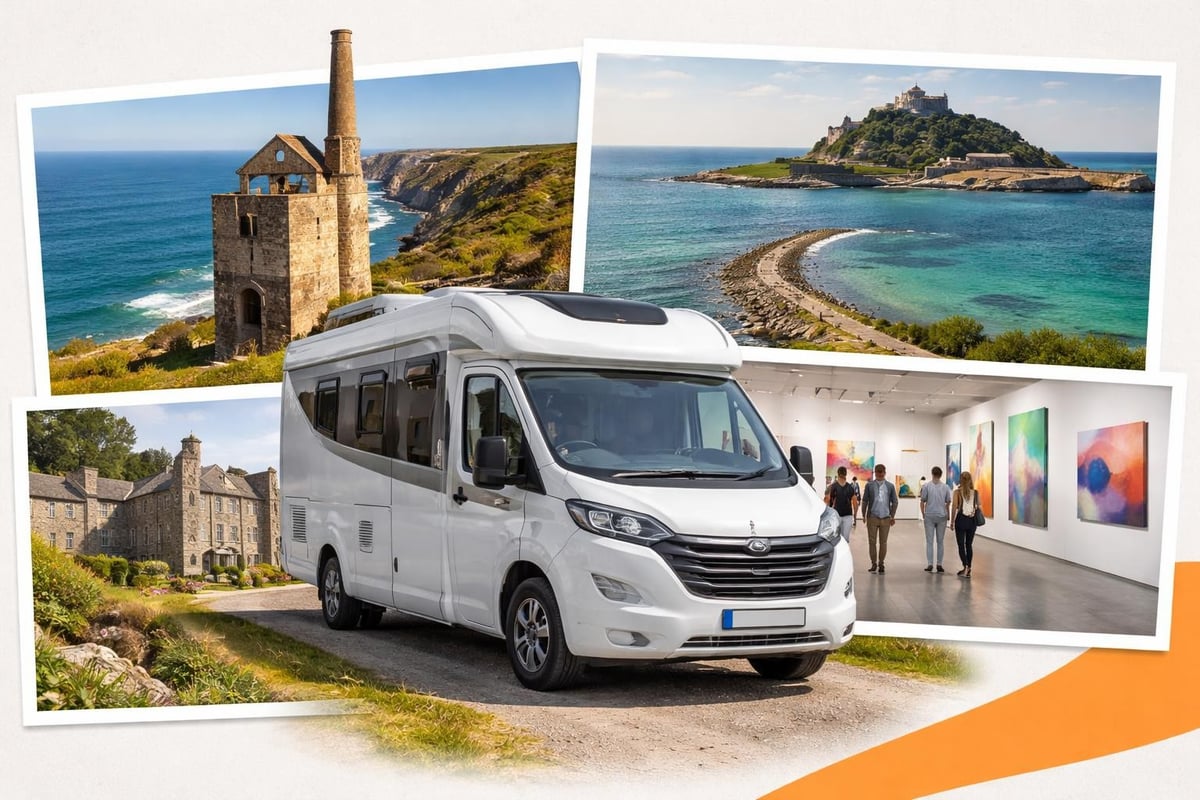
Cornwall's mining heritage earned World Heritage Status in 2006. The landscape remains dotted with engine houses, testament to the tin and copper mining that once dominated the economy. Many sites offer motorhome parking, including:
The National Trust manages numerous properties across Cornwall, from grand estates like Lanhydrock to coastal landscapes including Kynance Cove and Bedruthan Steps. Members receive free parking at most locations, a significant benefit when touring by motorhome.
St Michael's Mount rises dramatically from Mount's Bay, accessible via causeway at low tide or boat during high water. The castle and subtropical gardens reward exploration, whilst the surrounding area offers multiple motorhome-friendly car parks.
The Tate St Ives brings world-class contemporary art to Cornwall's north coast. The gallery's clifftop location provides stunning ocean views, whilst the Barbara Hepworth Museum and Sculpture Garden sits minutes away in the town centre.
Eden Project remains Cornwall's flagship attraction, though motorhome parking requires booking ahead during peak season due to space limitations. The biomes showcase global biodiversity, whilst the outdoor gardens demonstrate sustainable growing techniques relevant to Cornwall's climate.
Successfully navigating Cornwall by motorhome requires awareness of certain practicalities that differ from other UK regions.
Fuel stations become sparser as you travel further west. Fill up regularly rather than waiting for the warning light, particularly before heading to remote peninsulas. Major supermarkets in larger towns offer the most competitive pricing.
LPG availability varies considerably. Plan refilling stops in advance if your motorhome uses gas for heating and cooking. Apps specifically designed for motorhome travel provide updated information on LPG stations throughout Cornwall.
Most established campsites provide chemical toilet disposal points and fresh water taps. However, if you're using aires or stopovers, you'll need to locate dedicated facilities. Several coastal car parks now include motorhome service points, typically costing £2-5 per use.
Mobile signal remains patchy in some coastal areas and throughout Bodmin Moor. Download offline maps before travelling to remote locations. Many campsites now offer WiFi, though bandwidth may be limited during peak season when sites reach capacity.
Cornwall supports numerous local producers, from farm shops selling vegetables and dairy products to fish markets offering daily catches. Many villages host weekly markets, perfect for stocking up on regional specialities.
Supermarkets exist in all major towns, though smaller than city-centre equivalents. The main concentrations are:
Cornwall's maritime climate creates distinct seasonal patterns that significantly influence motorhome travel experiences. Understanding these helps set realistic expectations and plan appropriate activities.
March through May brings wildflower displays that transform coastal paths and moorland. The South West Coast Path, which encircles Cornwall's entire coastline, becomes particularly rewarding during spring months. Temperature gradually increases, averaging 12-15°C, though rain remains frequent.
Easter holidays mark the beginning of the main tourist season. Many attractions reopen after winter closures, though accommodation remains more affordable than summer months. This represents an excellent time for cornish motorhome hire if you prefer quieter beaches whilst still enjoying reasonable weather.
June delivers long daylight hours without peak-season crowds, making it arguably the optimal month for Cornish motorhome travel. July and August see temperatures reaching 18-22°C, though this attracts maximum visitors. Beach car parks fill quickly, and narrow lanes become congested during peak times.
The Cornwall Beach Guide provides detailed information on individual beaches, including parking facilities, lifeguard coverage, and dog restrictions (most beaches ban dogs between Easter and October). This resource proves invaluable when planning daily itineraries.
Water sports peak during summer months. Surfing remains possible year-round, but warmer waters make it more enjoyable for beginners. Coasteering, kayaking, and stand-up paddle boarding operators run throughout the season.
September and October offer outstanding value, with accommodation costs dropping significantly whilst weather often remains pleasant. The landscape transforms as bracken turns golden-brown, creating spectacular photographic opportunities.
Harvest season brings food festivals celebrating Cornish produce. The Falmouth Oyster Festival and various food markets throughout October showcase regional specialities. Many restaurants offer seasonal menus featuring game, mushrooms, and autumn vegetables.
November through February delivers Cornwall's quietest period. Many campsites remain open, offering reduced rates and peaceful settings. Storm-watching becomes a genuine activity, particularly along the north coast where Atlantic swells create dramatic displays.
Christmas in Cornwall presents a unique experience. Towns like St Ives and Padstow decorate extensively, whilst traditional events include Montol Festival in Penzance (celebrating winter solstice) and various carol services in historic churches.
Cornwall's varied habitats support remarkable biodiversity, from marine mammals to rare butterflies. Motorhome travel allows you to position yourself near the best wildlife-watching locations.
Basking sharks appear in Cornish waters between April and October, often visible from coastal paths as they feed near the surface. The Marine Conservation Society runs surveys that welcome public sightings, contributing to scientific understanding of these gentle giants.
Grey seals breed at various locations around the coast, with colonies accessible from several beaches. Godrevy, Porthcurno, and Sennen Cove offer reliable seal-watching opportunities. Remember to maintain distance (at least 30 metres) to avoid disturbing these protected animals.
Dolphins and porpoises frequent Cornish waters, particularly around headlands where tidal currents concentrate their fish prey. Early morning boat trips from Padstow, Falmouth, and Penzance increase your chances of close encounters.
The Hayle Estuary ranks among Britain's premier birdwatching locations, attracting migratory waders and wildfowl. The RSPB reserve provides excellent facilities, including motorhome-accessible parking. Visit during autumn migration for maximum variety.
Chough, Cornwall's iconic bird featuring on the county crest, has successfully recolonised after local extinction. The dramatic red-billed corvids frequent coastal cliffs, particularly around Lizard Point and the far west.
Cornwall's mild climate supports exotic species that struggle elsewhere in Britain. The Cornwall Heritage Trust highlights various sites where you can explore this botanical richness alongside historic buildings.
Trebah Garden, Glendurgan, and the Lost Gardens of Heligan showcase sub-tropical plants thriving in sheltered valleys. Most provide parking suitable for motorhomes, though checking in advance is advisable for larger vehicles.
Cornwall's culinary scene has evolved dramatically, now rivalling any British region for quality and innovation. Motorhome travel lets you combine restaurants and cafes with self-catering using local ingredients.
Cornish pasties receive Protected Geographical Indication status, meaning only pasties made in Cornwall following traditional recipes can use this designation. Countless bakeries produce variations, from classic beef and vegetable to modern interpretations featuring local fish or cheese.
Seafood dominates coastal menus, often landed the same morning. Crab sandwiches, mackerel pâté, and fish and chips represent quintessential Cornish experiences. Padstow, dubbed "Padstein" after celebrity chef Rick Stein's multiple establishments, has become synonymous with quality seafood dining.
Cream teas spark debate about correct assembly (jam first or cream first). The Cornish method places clotted cream on the scone first, then jam on top, opposing Devon's approach. Sample both and decide for yourself at one of hundreds of tea rooms throughout the region.
Weekly markets provide opportunities to source directly from producers:
Farm shops dot the landscape, many offering vegetables, meat, dairy products, and preserves. These prove perfect for stocking your motorhome kitchen whilst supporting local agriculture.
If you're new to combining cornish motorhome hire with exploring this distinctive region, certain insights help maximise your experience whilst avoiding common pitfalls.
Satnav systems occasionally direct motorhomes down unsuitable lanes. Cross-reference with physical maps or dedicated motorhome navigation apps that account for vehicle dimensions. The OS Explorer maps (1:25,000 scale) for Cornwall provide excellent detail for planning walks and identifying quiet lanes.
Place names often appear in both Cornish and English. Understanding a few common elements helps with navigation: "Pen" means headland or end, "Porth" indicates harbour or cove, "Tre" signifies homestead or settlement. Thus, Penzance literally translates as "holy headland."
Cornwall's narrow lanes require particular techniques:
Reversing cameras prove invaluable, though don't rely on them exclusively. Many Cornish lanes have high hedges that obscure approaching vehicles until the last moment.
Cornwall maintains strong community bonds, and visitors who respect local customs receive warmer welcomes. Simple courtesies include:
Cornwall's tourist-dependent economy means prices often exceed national averages during peak season. However, motorhome travel offers significant savings compared to hotel accommodation.
Daily cost estimates (excluding motorhome hire):
Many attractions offer annual memberships that provide value if you plan extended stays. National Trust and English Heritage membership both cover numerous Cornish properties.
The flexibility that cornish motorhome hire provides truly shines when you embrace spontaneous decisions based on weather, local recommendations, or unexpected discoveries.
Cornwall's weather changes rapidly, often varying between coast and inland, and north versus south coasts. If rain sweeps the north coast, drive to the sheltered south for completely different conditions within 30 minutes. This adaptability represents one of motorhome travel's greatest advantages.
Weather apps specific to marine forecasts (designed for sailors) provide more detailed coastal predictions than general weather services. These help you position yourself for the best conditions each day.
The most memorable Cornish experiences often come from wandering off established routes. Remote coves, clifftop walks, and tiny fishing villages reward those willing to explore beyond major attractions.
Local recommendations prove invaluable. Chat with campsite owners, cafe staff, and fellow motorhomers about their favourite spots. Many of Cornwall's best locations remain unmarketed, known primarily through word-of-mouth.
Cornwall's exceptional light quality attracts photographers worldwide. The maritime atmosphere creates soft, diffused lighting particularly beautiful during golden hours (early morning and late evening).
Iconic locations include:
Dawn visits often provide empty beaches and car parks, perfect for photography without crowds. Your motorhome enables early starts without requiring hotel checkouts.
Planning a Cornwall adventure requires balancing spontaneity with practical preparation, and a motorhome offers the perfect platform for this exploration. From dramatic coastal scenery to rich cultural heritage, Cornwall rewards those who take time to discover its many layers. If you're based in Yorkshire or the North of England, The Camper Co provides excellent motorhome hire options that let you embark on your own Cornish adventure with confidence, offering well-maintained vehicles and expert advice to ensure your journey west becomes truly unforgettable.