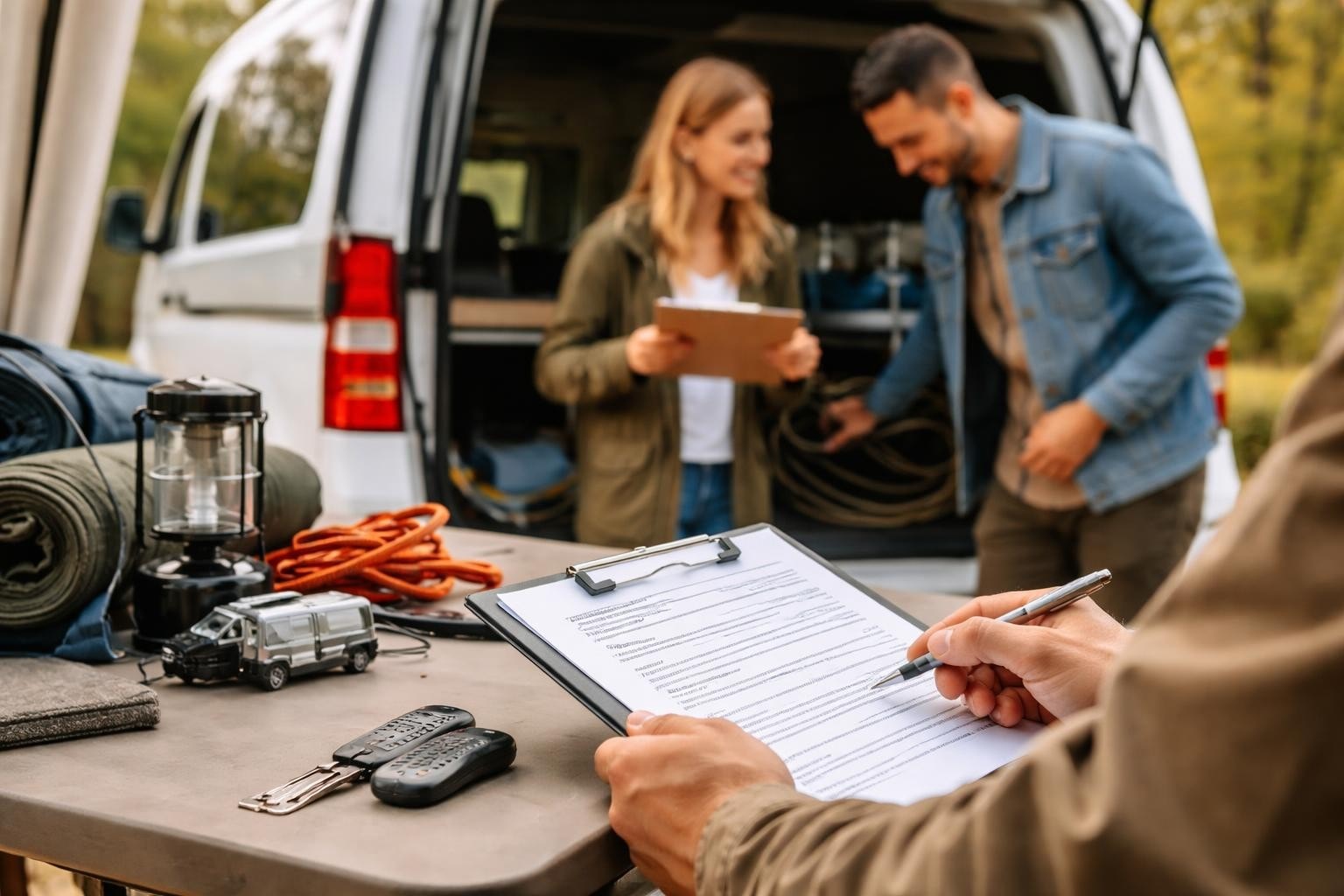
Your campervan pick up marks the official start of your adventure, and getting this stage right sets the tone for your entire trip. Whether you're collecting your first campervan or you're a seasoned traveller, understanding what happens during collection day ensures a smooth, confident start to your Yorkshire exploration. The process involves more than simply collecting keys – it's about familiarising yourself with your home on wheels, understanding the equipment, and making certain everything's in perfect working order before you drive away.
The collection process typically takes between 45 minutes to 90 minutes, depending on your experience level and the vehicle you've hired. First-time renters naturally need more time to absorb all the information, whilst experienced travellers can often complete the process more quickly.
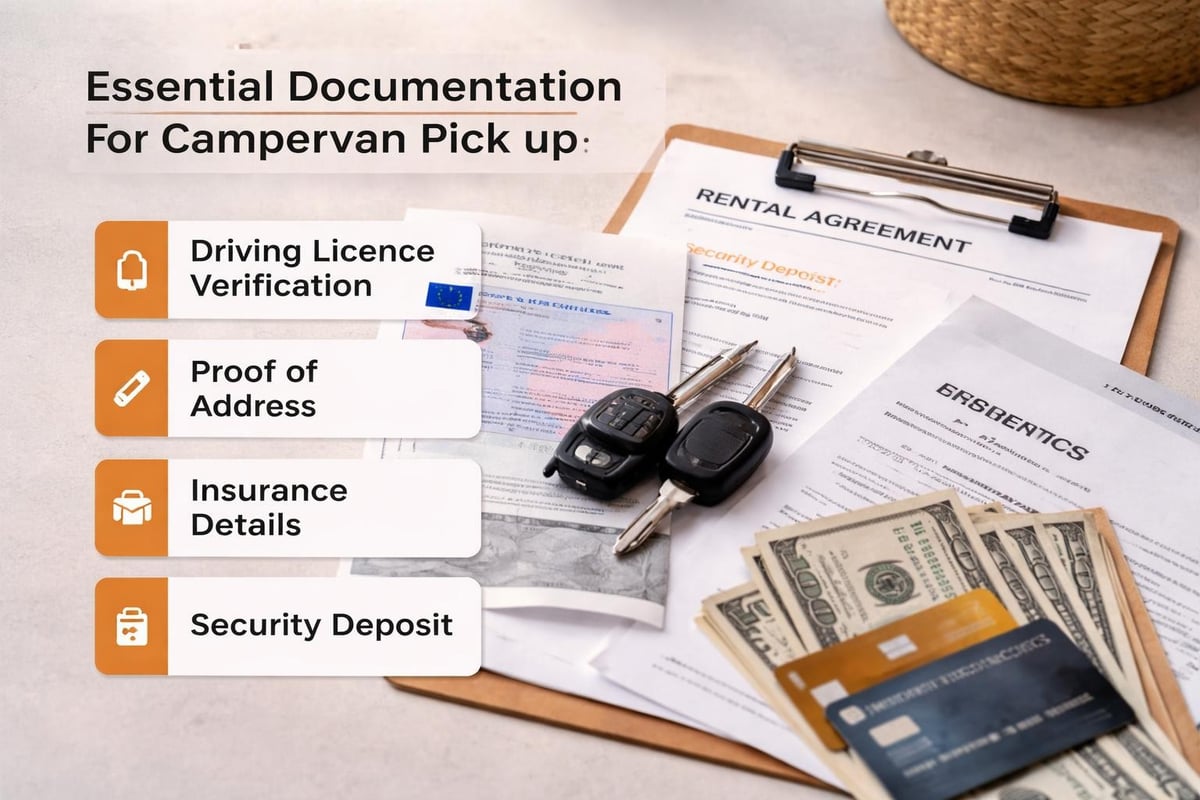
When you arrive at the depot, you'll be greeted by a member of the hire team who'll guide you through each stage. They'll start by verifying your documentation, including your driving licence, proof of address, and any additional driver details. This administrative stage ensures everything aligns with your booking confirmation and that you're fully covered by insurance.
Bringing the correct paperwork prevents delays and ensures your campervan pick up proceeds smoothly. Here's what you'll need:
Most hire companies now accept digital copies of documents, though it's wise to bring physical versions as backup. Understanding what to expect at pick-up helps you prepare thoroughly.
Once documentation is complete, the practical element of your campervan pick up begins. Your hire representative will walk you through every aspect of the vehicle, both inside and out. This comprehensive handover ensures you understand how everything operates and provides an opportunity to ask questions.
The external check serves two purposes: familiarising you with the vehicle's dimensions and documenting any existing marks or damage. Your representative will note every scratch, dent, or blemish on a condition report, which you'll both sign.
Take your time during this stage. Walk around the vehicle yourself and photograph any damage from multiple angles using your phone. These photos provide additional evidence and peace of mind. Checking for existing damage prevents disputes when you return the vehicle.
Pay particular attention to:
The interior demonstration covers everything from basic driving controls to complex living systems. Your representative will show you how each element functions, but don't hesitate to ask them to repeat anything you're uncertain about.
| System | Key Points to Understand |
|---|---|
| Heating | How to operate the blown air or diesel heater, when to use each setting |
| Cooking | Gas bottle location, ignition process, safety cut-off features |
| Refrigerator | Power source selection (12V, 240V, gas), temperature settings |
| Water | Fresh water tank capacity, pump operation, grey water emptying |
| Toilet | Cassette removal, chemical use, disposal locations |
| Electrical | Leisure battery management, hook-up cable use, USB charging points |
| Sleeping | Bed conversion process, bedding storage, privacy blinds |
This stage of your campervan pick up is invaluable. Even if you've hired vehicles before, each model has unique features and quirks. Taking notes or short videos on your phone helps you remember details once you're on the road.
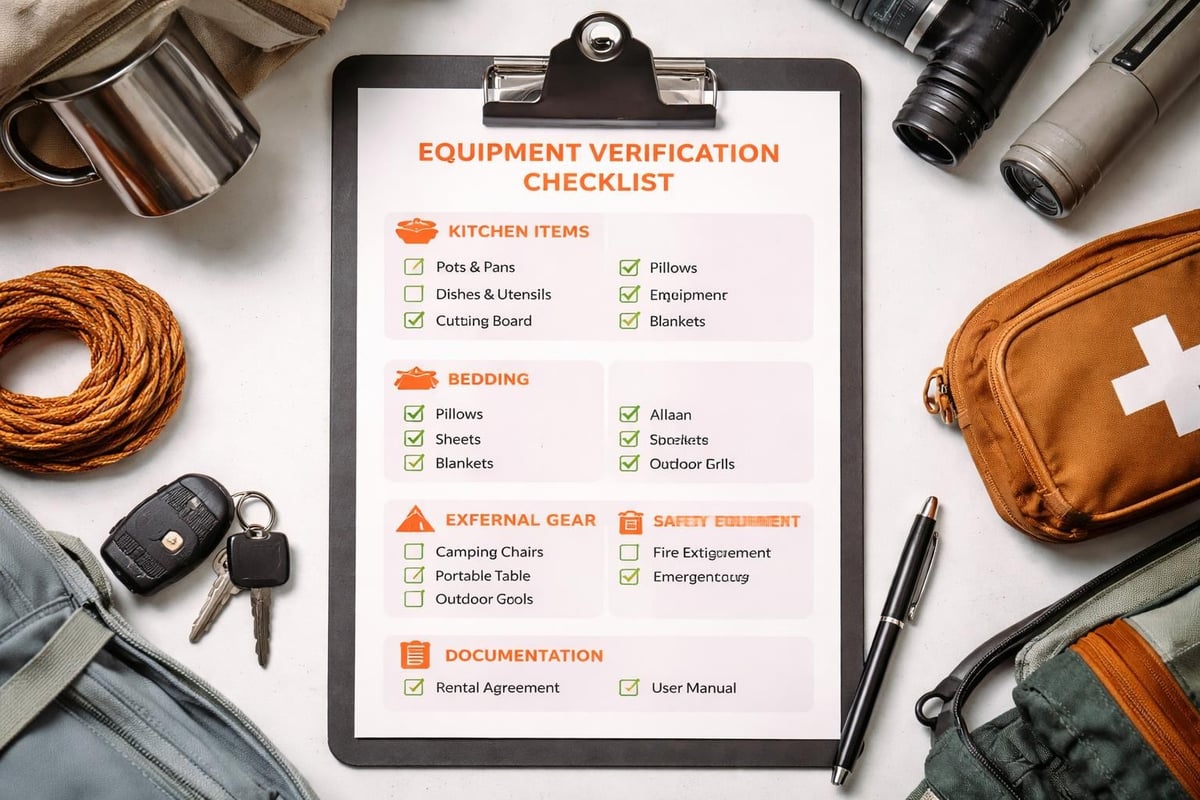
Before you drive away, methodically verify that all promised equipment is present and functional. Creating a checklist beforehand helps ensure nothing gets overlooked in the excitement of collection day.
Walk through the vehicle and tick off each item:
Missing items should be addressed immediately during your campervan pick up, not discovered later at your first campsite. The hire team can quickly resolve any omissions whilst you're still at the depot.
The rental contract contains crucial information about your responsibilities, coverage, and restrictions. Whilst you'll have received this electronically beforehand, the collection day provides an opportunity to clarify any points you're unsure about.
Mileage allowances vary between hire companies and packages. Some include unlimited mileage, whilst others have daily or weekly limits with charges for excess miles. Know your allowance and plan your route accordingly.
Insurance coverage deserves careful attention. Understand your excess amount (the sum you'd pay in the event of damage), what's covered and excluded, and whether you've purchased excess reduction. Some travellers bring separate insurance, which may offer better value depending on your circumstances.
Fuel policy typically requires you to return the vehicle with the same fuel level as collection. Note the fuel type (diesel or petrol) – it's surprisingly easy to forget in the excitement of your campervan pick up.
Geographical restrictions may limit where you can travel. Some agreements prohibit certain roads or require notification for extended trips beyond specific distances from the depot.
When selecting the right rental company, understanding these terms beforehand makes the collection process much smoother.
Most campervan hire arrangements require a security deposit, held on your credit or debit card throughout the rental period. This amount varies depending on the vehicle value and your insurance choices, typically ranging from £500 to £2,000.
The deposit isn't charged (unless damages occur) but is "ring-fenced" or authorised on your card, meaning those funds become temporarily unavailable. Ensure your card has sufficient available credit to cover both the deposit and your travel expenses.
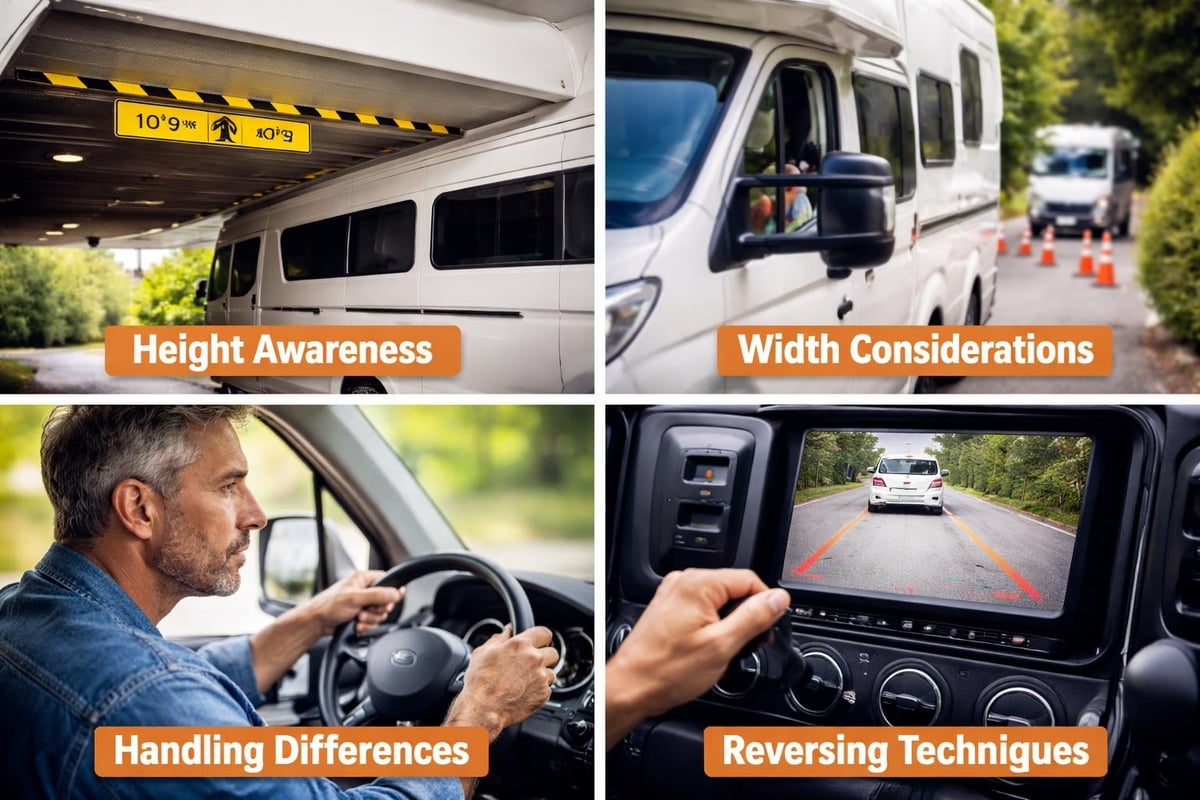
Before leaving the depot, take time to familiarise yourself with the driving position and controls. Campervans handle differently than standard cars, particularly regarding:
Height awareness is perhaps the most critical adjustment. Know your vehicle's exact height and develop the habit of checking for low bridges, car park barriers, and overhanging trees. Many experienced travellers place a height reminder sticker on the dashboard.
Width and length require additional caution when navigating narrow lanes, car parks, and urban areas. Yorkshire's rural roads can be particularly challenging, with tight village streets and single-track sections.
Reversing and manoeuvring takes practice. The rear-view mirror shows less than in a car, making reversing cameras and sensors (if fitted) particularly valuable. Don't hesitate to ask your partner or family members to guide you when parking initially.
| Driving Consideration | Campervan Difference | Adjustment Needed |
|---|---|---|
| Acceleration | Slower, heavier vehicle | Allow more time for overtaking |
| Braking | Longer stopping distance | Increase following distance significantly |
| Cornering | Higher centre of gravity | Reduce speed before bends |
| Parking | Much larger footprint | Choose end spaces, allow extra room |
| Wind resistance | Greater surface area | Expect pulling sensation in strong winds |
Many hire companies offer the opportunity to drive around their car park before departing. Use this time to practice reversing, turning, and getting a feel for the vehicle's dimensions.
Understanding how to manage your campervan's utilities safely is essential for comfortable travel. During your campervan pick up, your representative will demonstrate these systems, but the information can feel overwhelming.
The gas system powers your hob, oven, and sometimes the refrigerator and heating. Key safety points include:
Never sleep with gas appliances running, and always ensure adequate ventilation when cooking.
Campervans typically have two electrical systems: the vehicle battery (for driving) and the leisure battery (for living). Understanding the difference prevents you from draining the wrong battery and being unable to start the engine.
Leisure battery powers:
240V hook-up provides:
Your representative will show you how to connect to campsite electrical hook-ups safely and how to monitor your battery level to avoid running out of power when wild camping.
As your campervan pick up concludes, ensure you're completely comfortable with everything before departing. This is your opportunity to ask any remaining questions, no matter how minor they might seem.
Request the depot's contact details in your phone immediately. Save both the main office number and any emergency or out-of-hours contacts.
Once you've driven away from the depot, find a quiet, safe location (perhaps a supermarket car park) to perform a final, stress-free check before hitting the open road towards your first destination.
Test every system independently:
This systematic approach, done calmly without time pressure, often reveals minor issues that were overlooked during the busy depot handover. If you discover anything concerning, contact the hire company immediately whilst you're still close by.
Browse The Camper Co’s vehicle range to understand the different features across various campervan models.
Before setting off on your Yorkshire adventure, take 20 minutes to organise your belongings sensibly within the campervan. Proper organisation prevents items sliding around during travel and helps you find everything easily.
Weight distribution affects handling and fuel efficiency. Place heavier items low and centrally, using the space beneath fixed seating or beds. Lighter items can go in overhead lockers, but avoid overloading them.
Accessibility matters for frequently used items. Keep these near the door or in easily reached cupboards:
Secure storage is essential. Ensure nothing can fall whilst driving, particularly from overhead lockers. Heavy items like tinned food should be in low cupboards with secure catches. Many travellers use non-slip matting to prevent items sliding.
Even well-prepared hirers sometimes miss important details during their campervan pick up. Being aware of these common oversights helps you avoid them:
These small details can cause significant inconvenience later in your trip. A methodical approach during collection day prevents most issues.
When collecting your campervan from The Camper Co in Leeds, you're perfectly positioned to explore West Yorkshire and the broader region. However, Yorkshire's geography presents specific considerations worth discussing during your campervan pick up.
Road conditions vary significantly across the region. Whilst major routes like the A1 and M62 are straightforward, many of Yorkshire's most beautiful destinations involve narrow, winding roads with steep gradients. The Yorkshire Dales and North York Moors feature particularly challenging routes that require confident campervan handling.
Height restrictions are common in historic Yorkshire towns and villages. Stone bridges and ancient gateways were built long before modern campervans existed. Always know your vehicle height and watch for warning signs.
Weather preparation is essential year-round in Yorkshire. Even summer months can bring sudden weather changes, particularly in elevated areas. Ensure you understand how to operate the heating system efficiently and that you have appropriate clothing for changeable conditions.
Planning your route through The Camper Co’s regional expertise helps you avoid unsuitable roads whilst discovering Yorkshire's hidden gems.
Your campervan pick up isn't just an administrative necessity – it's valuable learning time that directly impacts your holiday enjoyment. Approach it as the first exciting step of your adventure rather than a hurdle to overcome.
Engage actively with the demonstration. Ask questions, take photos, make notes. The hire team wants you to feel confident and comfortable, so they'll happily repeat explanations or demonstrate features multiple times.
Allow sufficient time in your schedule. Don't book your collection for late afternoon if you're planning to drive several hours to your first destination. Morning collections give you the entire day to familiarise yourself with the vehicle and reach your campsite during daylight hours.
Bring a companion if possible. Two people absorb and remember more information than one, and you can divide responsibilities – perhaps one person focuses on the driving aspects whilst the other concentrates on the living systems.
A thorough, unhurried campervan pick up transforms your entire hire experience, giving you the confidence to make the most of your Yorkshire adventure from the moment you drive away. Understanding your vehicle's systems, knowing what equipment you have, and feeling comfortable with the driving dynamics all contribute to a relaxed, enjoyable journey. Whether you're planning a weekend exploring the Dales or a fortnight touring the coast, The Camper Co provides comprehensive handovers and a diverse fleet across Leeds and West Yorkshire, ensuring your collection day sets you up perfectly for the freedom and flexibility of campervan travel.