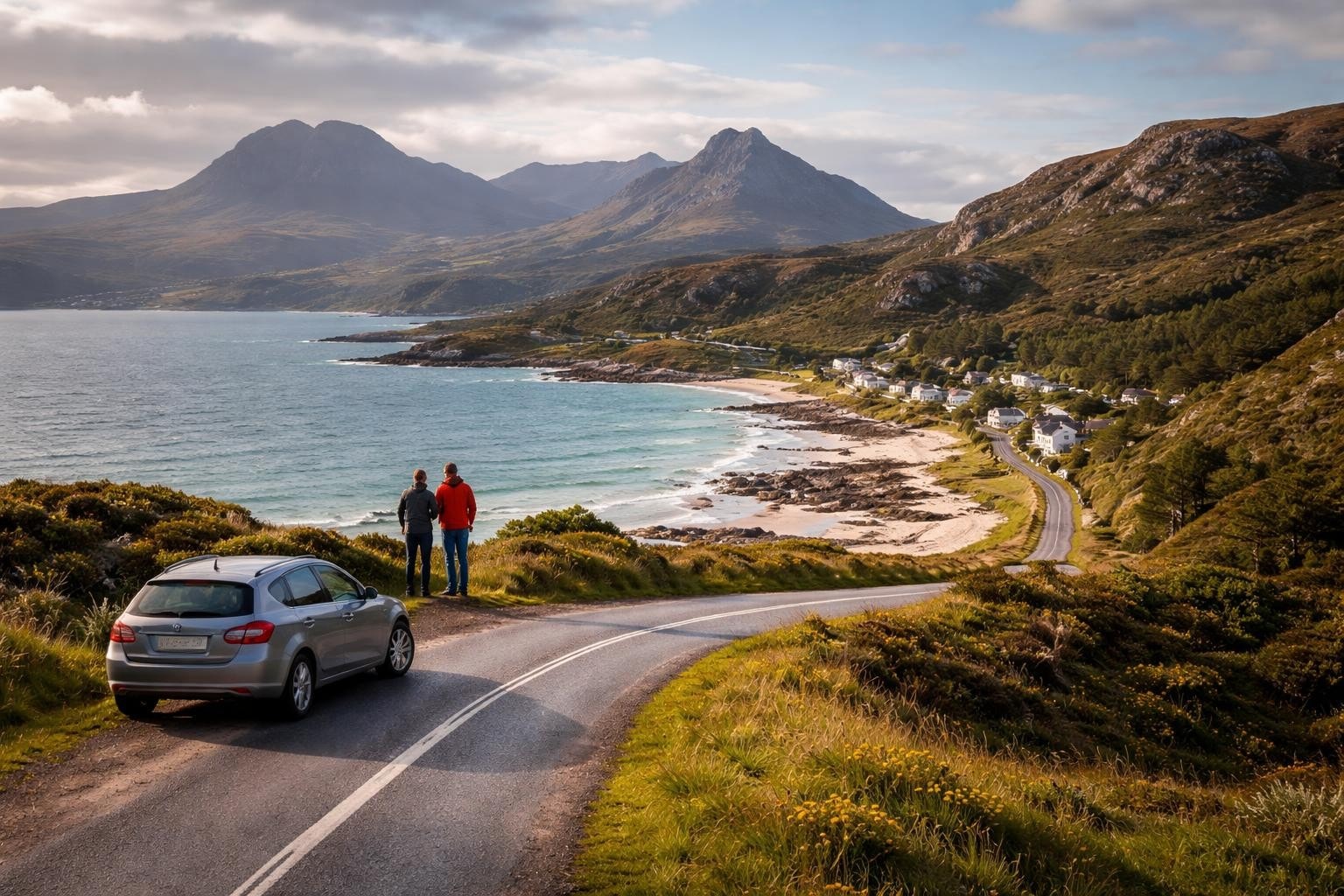
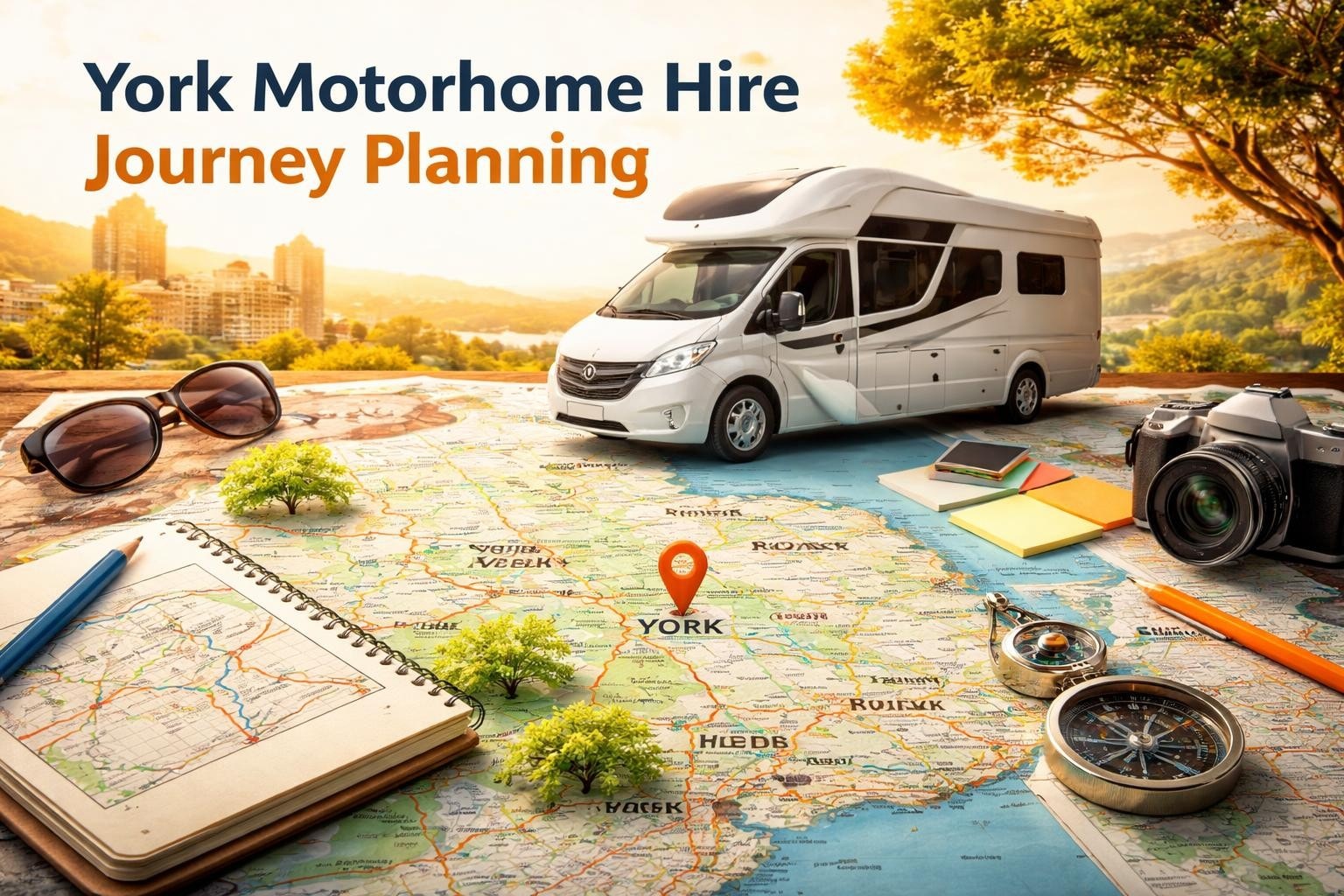
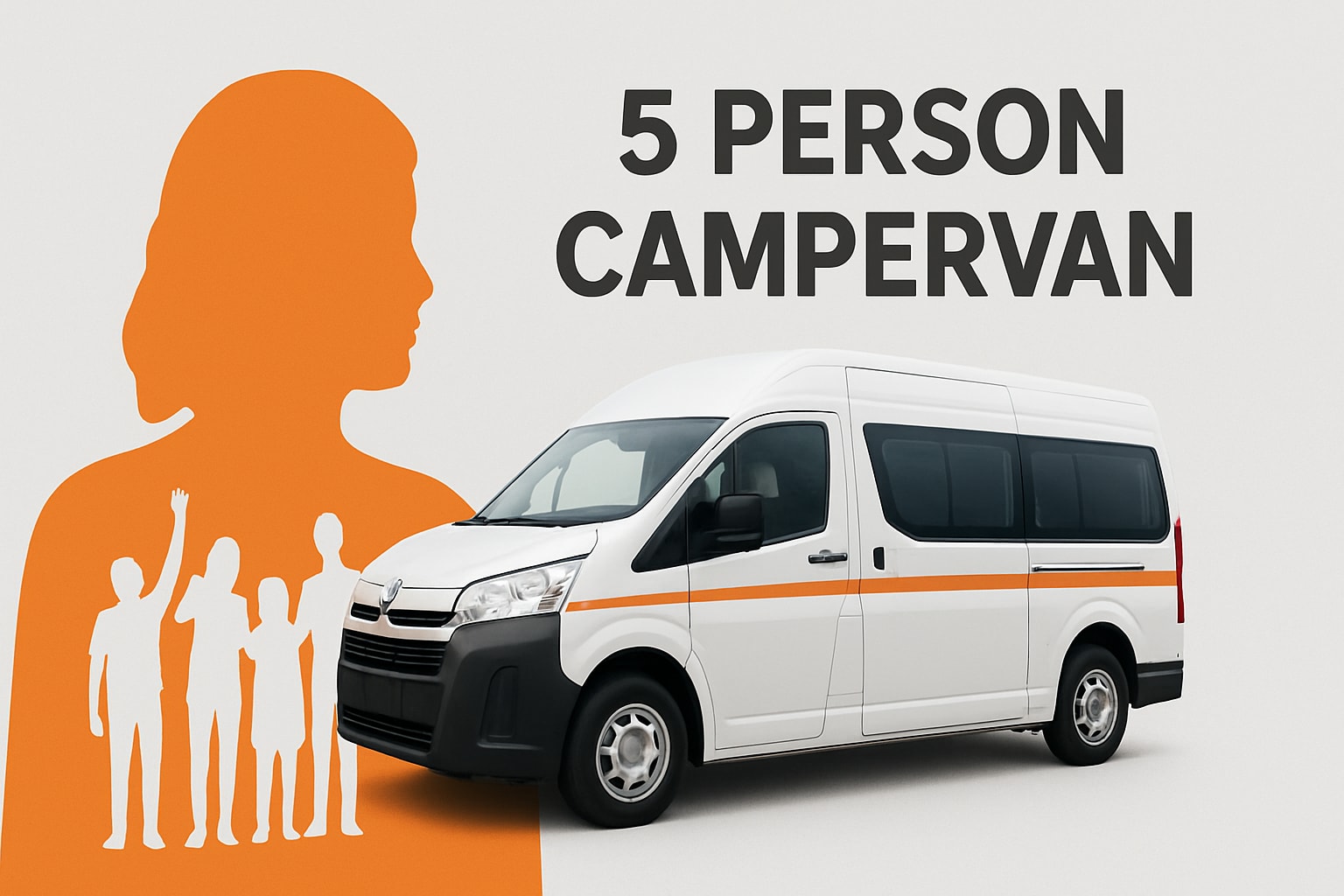
The allure of the open road, the freedom to explore at your own pace, and the comfort of having everything you need on board makes camper van hire an increasingly popular choice for UK holidaymakers in 2026. Whether you're planning a long weekend escape to the Yorkshire Dales, a coastal tour of Scotland, or a family adventure through the Lake District, hiring a camper van offers unparalleled flexibility and convenience. This guide walks you through everything you need to know about camper van hire, from selecting the right vehicle to preparing for your first journey.
The camper van hire market has evolved significantly, offering travellers more choice than ever before. When you're considering your options, it's essential to understand what's available and how different vehicles cater to varying needs.
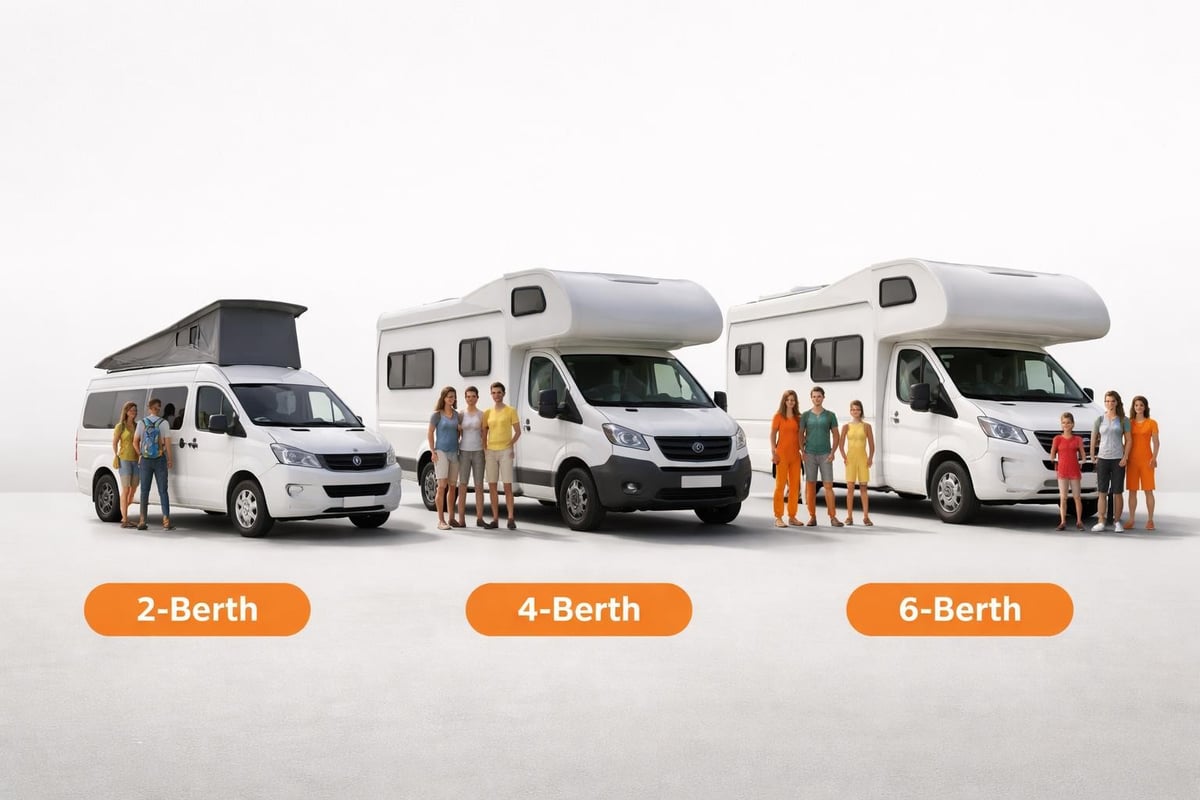
Camper vans come in various sizes, each designed for different group sizes and travel styles:
The size you choose directly impacts your driving experience, fuel consumption, and where you can park. Smaller vans offer greater manoeuvrability and can access narrower country lanes, whilst larger motorhomes provide more living space and amenities.
| Vehicle Type | Best For | Typical Features | Parking Ease |
|---|---|---|---|
| 2-Berth Compact | Couples, solo travellers | Basic kitchen, compact bathroom | Excellent |
| 4-Berth Mid-Size | Small families, friends | Full kitchen, separate sleeping areas | Good |
| 6-Berth Large | Extended families, groups | Multiple rooms, full facilities | Moderate |
When evaluating camper van hire options, certain features significantly impact your comfort and convenience during your travels. Understanding what to look for in your campervan rental helps ensure you select a vehicle that meets your specific requirements.
A well-equipped kitchen transforms your camper van into a true home on wheels. Most hire vehicles include:
Some premium models feature microwaves, ovens, and larger refrigerators. Consider your cooking habits when choosing. If you plan to prepare elaborate meals, ensure adequate workspace and storage.
Quality sleep is crucial for an enjoyable trip. Hiring a campervan requires careful consideration of sleeping arrangements, as comfort varies significantly between models.
Fixed beds remain in place permanently, offering convenience and comfort. Convertible dinettes transform from seating areas into beds, maximizing daytime space but requiring nightly setup. Overhead cab beds in larger motorhomes provide additional sleeping space without sacrificing living areas.
Check mattress quality, bed dimensions, and headroom. Some hire companies offer bedding packages, whilst others require you to bring your own linens.
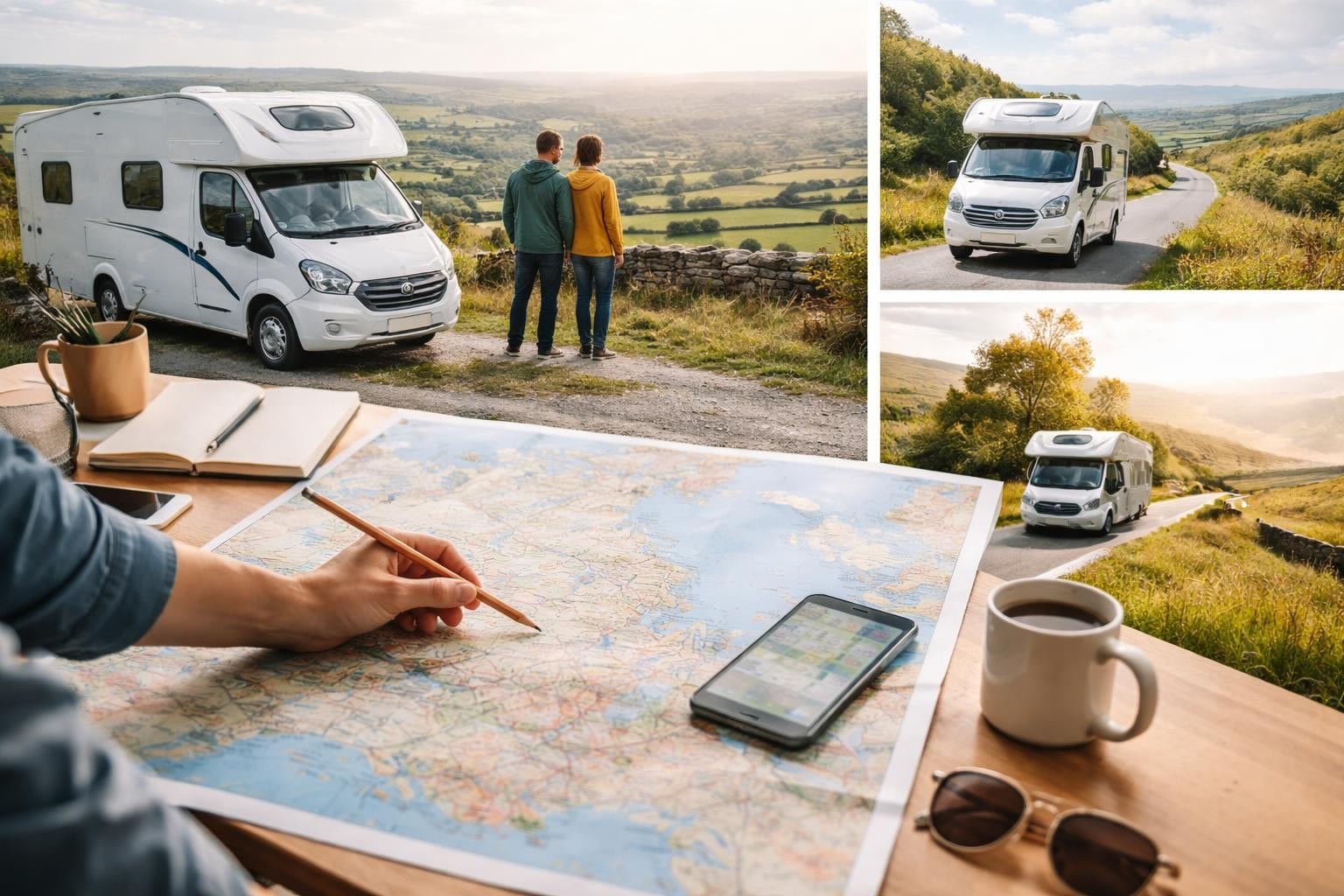
Successful camper van trips require thoughtful planning, particularly when you're new to motorhome travel. The beauty of this travel style lies in its flexibility, but some advance preparation ensures smoother journeys.
The UK offers spectacular routes perfect for camper van exploration:
Research overnight stopping options along your route. Wild camping regulations vary across the UK, with Scotland offering more freedom under responsible access rights. England and Wales typically require designated campsites or permission from landowners.
Peak season (June through August) sees highest demand for camper van hire, particularly during school holidays. Booking three to six months ahead secures better vehicle selection and often better rates.
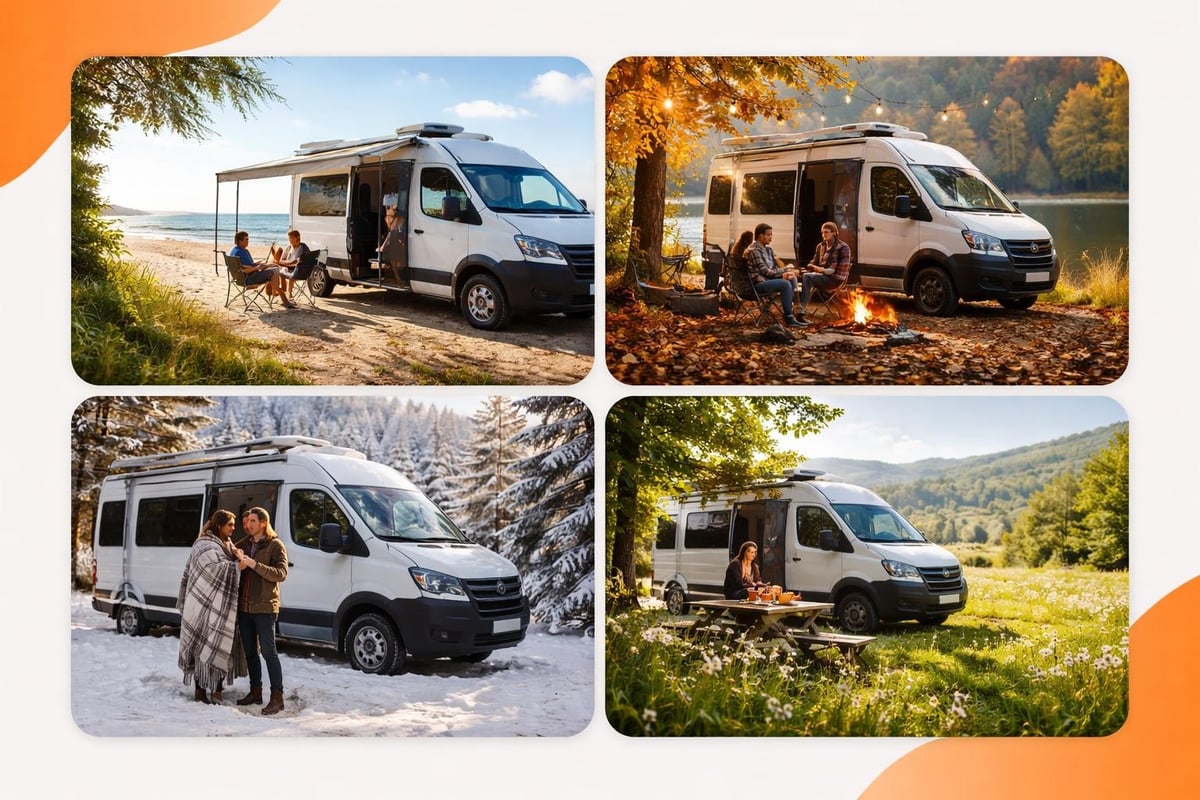
Spring (March-May) offers milder weather and fewer crowds, though some facilities may operate reduced hours. Autumn (September-November) provides stunning scenery as leaves change colour, with cooler temperatures requiring adequate heating.
Winter camper van hire appeals to hardy adventurers, offering solitude and dramatic landscapes. Ensure your vehicle has effective heating, insulation, and frost protection systems.
Understanding the practical aspects of camper van hire prevents surprises and ensures legal, safe travel. These considerations apply whether you're a first-timer or experienced motorhome traveller.
Standard UK driving licences (Category B) permit operation of vehicles up to 3,500kg, covering most camper vans and many motorhomes. Larger vehicles exceeding this weight require Category C1 licences.
Insurance coverage typically includes:
Review excess amounts carefully. Some hire agreements offer excess reduction packages for additional peace of mind. Confirm whether your personal insurance provides any coverage that might reduce duplicate protection.
Modern camper vans achieve reasonable fuel economy, though consumption varies significantly by vehicle size and driving conditions. Expect approximately:
| Vehicle Size | Average MPG | Estimated Fuel Cost (500 miles) |
|---|---|---|
| Small 2-berth | 30-35 mpg | £75-£90 |
| Medium 4-berth | 25-30 mpg | £90-£110 |
| Large 6-berth | 20-25 mpg | £110-£135 |
Additional costs include campsite fees (£15-£45 per night), gas bottles for cooking and heating, and facility dump station charges. Budget approximately £30-£50 daily for ancillary expenses beyond the hire fee.
Taking your first camper van holiday can feel daunting, but preparation and realistic expectations create wonderful experiences. This comprehensive guide for beginners offers valuable insights into what to expect.
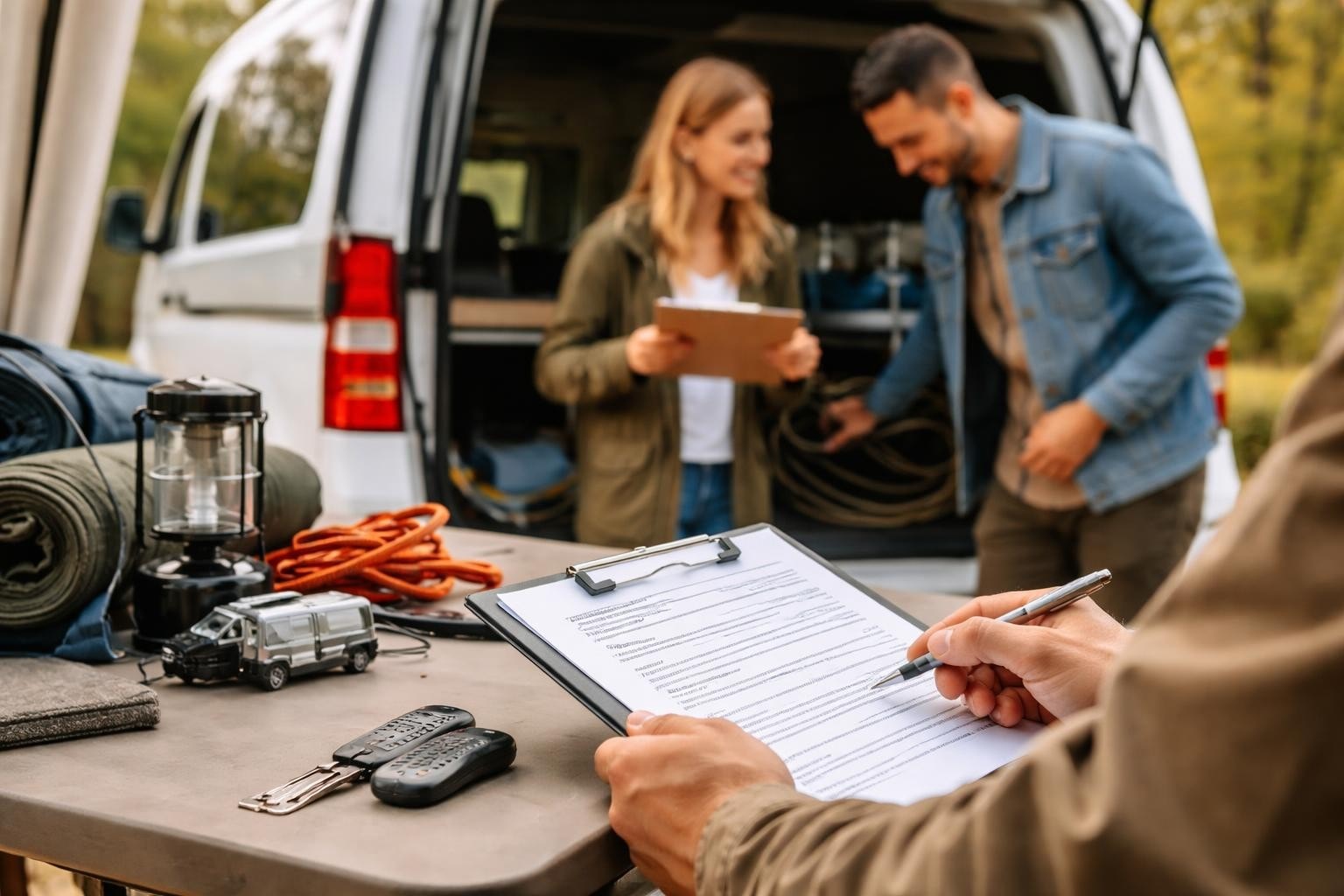
Allocate adequate time for vehicle collection. Professional hire companies conduct thorough handovers, typically lasting 45-90 minutes. During this session, you'll learn:
Don't hesitate asking questions. Take photos of control panels and written notes about operating procedures. Most modern camper vans feature intuitive systems, but familiarization prevents confusion later.
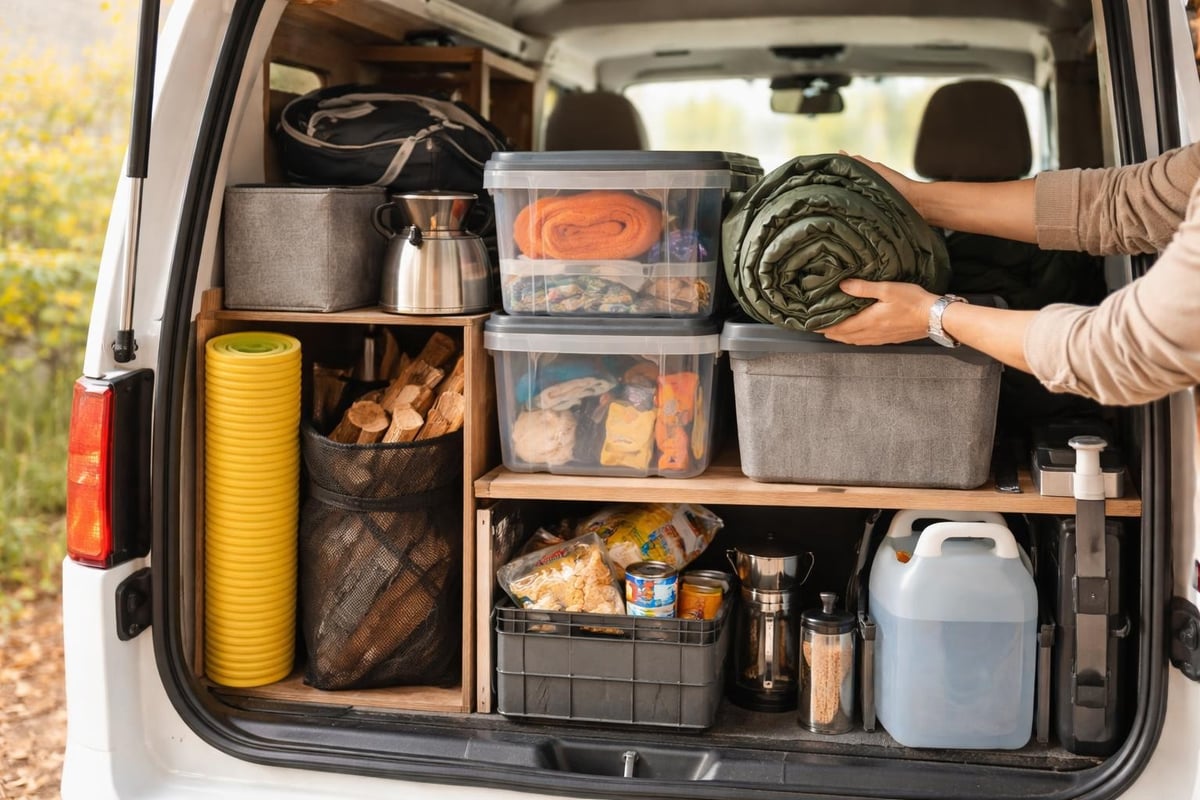
Camper van living requires strategic packing. Weight distribution affects vehicle handling and staying within legal limits matters for safety and insurance validity.
Essential items include:
Soft bags work better than rigid suitcases in tight storage spaces. Many experienced camper van travellers swear by vacuum storage bags for clothing and bedding.
Once you're on the road, certain practices enhance your camper van hire experience whilst protecting the vehicle and respecting fellow travellers and local communities.
When staying at established campsites, arrive during reception hours and familiarize yourself with site rules. Most sites operate quiet hours between 10 PM and 7 AM. Respect neighbouring pitches by keeping noise minimal and not cutting through others' spaces.
Wild camping responsibilities require:
Scotland's outdoor access code permits responsible wild camping. In England and Wales, seek landowner permission or use designated overnight parking areas. Apps and websites help locate suitable stopping places, though availability fluctuates.
Establishing simple routines makes camper van life more enjoyable. Morning tasks might include checking tyre pressures weekly, monitoring fluid levels, and ensuring waste tanks have adequate capacity for the day ahead.
Empty grey water regularly, even if tanks aren't full. This prevents odours and keeps you prepared for impromptu stops at disposal facilities. Check gas levels daily if you're cooking regularly. Running out mid-meal proves frustrating, particularly in remote locations.
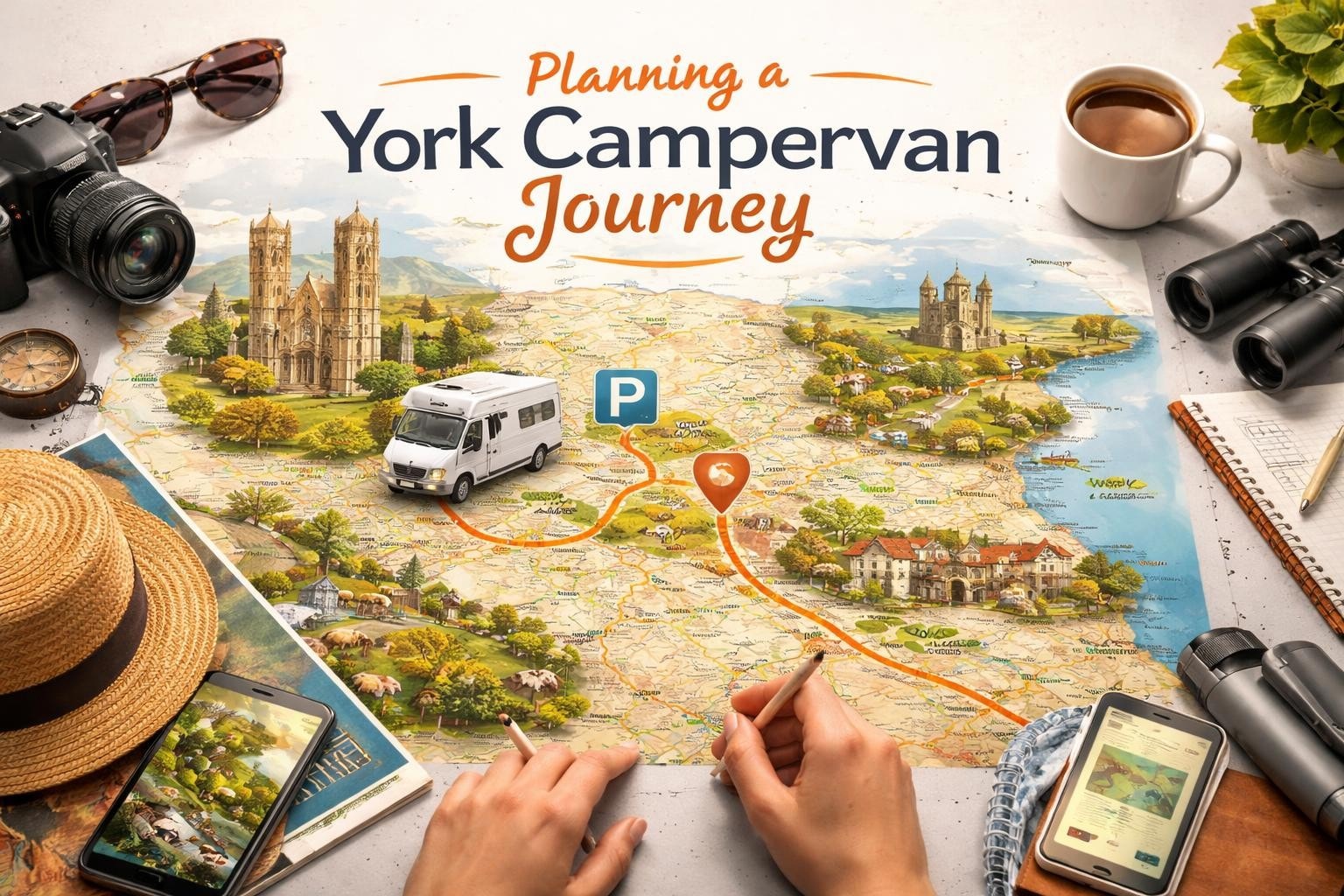
Starting your camper van hire journey from Leeds and West Yorkshire positions you perfectly for exploring some of Britain's finest landscapes and cultural attractions.
The Yorkshire Dales National Park offers gentle driving routes through spectacular scenery. Wharfedale, Ribblesdale, and Swaledale provide distinct characters, from dramatic limestone formations to peaceful riverside meadows. Market towns like Grassington, Hawes, and Reeth welcome motorhomes with designated parking areas.
The North York Moors present heather-covered moorland, historic abbeys, and charming coastal villages. Whitby, with its gothic abbey and maritime heritage, makes an excellent coastal stop. Nearby Robin Hood's Bay offers steep, narrow streets better explored on foot after securing camper van parking.
From Yorkshire, Scotland lies within comfortable reach. The scenic route through Northumberland showcases coastal castles and wild beaches. The Scottish Borders offer rolling hills and historic towns before you reach Edinburgh and beyond.
Alternatively, head south to the Peak District, Britain's first national park. The region provides challenging hill routes, picturesque villages like Castleton and Bakewell, and excellent walking opportunities. The Derbyshire Dales and Staffordshire Moorlands extend your exploration possibilities.
Carefully reviewing hire agreements prevents misunderstandings and ensures you're adequately prepared for your journey. Professional camper van hire services provide transparent terms, but thorough reading remains your responsibility.
Most hire agreements include daily mileage allowances, typically ranging from 100 to 200 miles per day. Unlimited mileage options suit extensive touring plans but command premium rates. Calculate your anticipated distance realistically. A week exploring Yorkshire Dales might total 500-700 miles, whilst a Scottish Highlands circuit could exceed 1,500 miles.
Standard restrictions typically prohibit:
Violating these restrictions may void insurance coverage and incur significant penalties.
Security deposits protect hire companies against damage and excessive cleaning requirements. Amounts vary from £500 to £2,000 depending on vehicle value. These are typically pre-authorized on credit cards rather than physically charged.
Return vehicles in reasonably clean condition. Basic interior cleaning suffices, but excessive dirt, staining, or neglect may incur cleaning charges. Document existing damage during collection using photos and ensuring the hire company notes everything on the condition report.
Getting optimal value from camper van hire extends beyond finding the lowest daily rate. Consider the complete package, including vehicle condition, customer support, and flexibility.
Quality camper van hire encompasses more than just vehicle provision. Look for services offering:
Understanding various motorhome rental options helps you evaluate what different providers offer and identify services that match your priorities.
Transparent pricing includes all mandatory costs upfront. However, some optional charges catch first-time hirers off guard:
| Potential Extra Cost | Typical Charge | When It Applies |
|---|---|---|
| Young driver supplement | £10-£25/day | Drivers under 25 |
| Additional driver fee | £5-£15/day | Multiple drivers |
| Pet surcharge | £25-£50/hire | Travelling with animals |
| Late return | £50-£100/hour | Exceeding return time |
| Excess mileage | £0.20-£0.35/mile | Beyond allowance |
Request itemized quotations detailing all potential charges. This prevents budget surprises and allows accurate trip cost calculation.
British weather's unpredictability means preparing for all conditions, regardless of season. Your camper van hire should include systems to handle whatever nature provides.
Modern motorhomes feature sophisticated heating systems, typically diesel-powered blown air units or gas-powered water heating. Learn how to operate your specific system during handover. Some require external power hookups, whilst others function independently.
Ventilation prevents condensation, a common issue in occupied vehicles. Roof vents, window ventilators, and proper air circulation maintain comfortable interiors. Even during rain, keeping small vents open allows air movement without water ingress.
Summer heat requires different management. Park in shade when possible, use awnings to create shaded areas, and consider sites with electric hookup for portable fans. Reflective window covers reduce heat gain significantly.
Rain shouldn't dampen your adventure. Quality camper vans include:
Pack waterproof outerwear, quick-dry towels, and indoor entertainment options. Many Yorkshire attractions offer excellent indoor alternatives, from historic houses to museums, ensuring enjoyable days regardless of weather.
Driving a camper van differs from standard car operation, particularly regarding size, weight, and wind resistance. Most drivers adapt quickly with awareness and practice.
The most critical adjustment involves constant height awareness. Camper vans typically stand 2.7 to 3.2 metres tall, making many car parks, drive-throughs, and overhanging branches potential hazards.
Practical precautions include:
Width also requires attention, particularly on narrow country lanes common throughout Yorkshire. Wing mirrors extend your effective width, and hedgerows can scratch bodywork. Take your time, and don't hesitate pulling over to let faster traffic pass.
Reversing larger vehicles takes practice. Modern hire vehicles typically include reversing cameras and parking sensors, significantly easing this challenge. Find quiet areas to practice basic manoeuvres before tackling busy campsites.
Allow extra space when parking. Camper vans require more room than standard vehicles, and tight spots may prove impossible to exit. Many supermarkets and attractions offer dedicated motorhome parking. Use these when available rather than squeezing into standard spaces.
Camper van hire offers opportunities for environmentally conscious travel when approached thoughtfully. Responsible practices protect the landscapes that make these journeys special.
Eco-friendly camper van travel involves:
Modern motorhomes feature efficient engines and improved fuel economy compared to older models. Some hire fleets now include hybrid or all-electric options, though these remain relatively rare in 2026.
Tourist spending significantly benefits rural economies. Purchasing supplies from local shops, visiting independent attractions, and eating at local restaurants ensures your tourism pounds support communities you're visiting.
Respect local residents by parking considerately, maintaining reasonable noise levels, and following posted restrictions. Responsible visitors ensure continued welcome for future camper van travellers throughout the UK.
Camper van hire opens up incredible possibilities for exploring the UK at your own pace, combining the freedom of the open road with the comfort of home. From vehicle selection to route planning, understanding the essentials ensures your adventure runs smoothly and creates lasting memories. Whether you're dreaming of Yorkshire's rolling dales, Scotland's dramatic Highlands, or Cornwall's rugged coastline, the right preparation transforms those dreams into reality. The Camper Co provides quality vehicles and comprehensive support for your West Yorkshire adventures and beyond, with a fleet ranging from cosy 2-berth vans to spacious 6-berth motorhomes, ensuring the perfect match for your journey.