Imagine starting your 2025 adventure with the freedom to explore, sleep, and relax wherever the road takes you. Picture the comfort of home, paired with the thrill of discovery, all in one seamless journey.
This rv sprinter van rental guide is designed to be your trusted companion for planning the perfect trip. Whether you are a first-timer or a seasoned traveller, you will find insights tailored to make your experience exceptional.
Explore what makes Sprinter vans unique, how to choose the best rental, what to expect in terms of costs, and the latest features for 2025. Ready to unlock the ultimate road trip? This guide will show you how.
Embarking on a journey with an rv sprinter van rental in 2025 means blending freedom, innovation, and comfort into every mile. But what sets Sprinter vans apart from the crowd? Let us explore their unique appeal, see how they stack up against other RV types, and discover who benefits most from this modern travel solution.
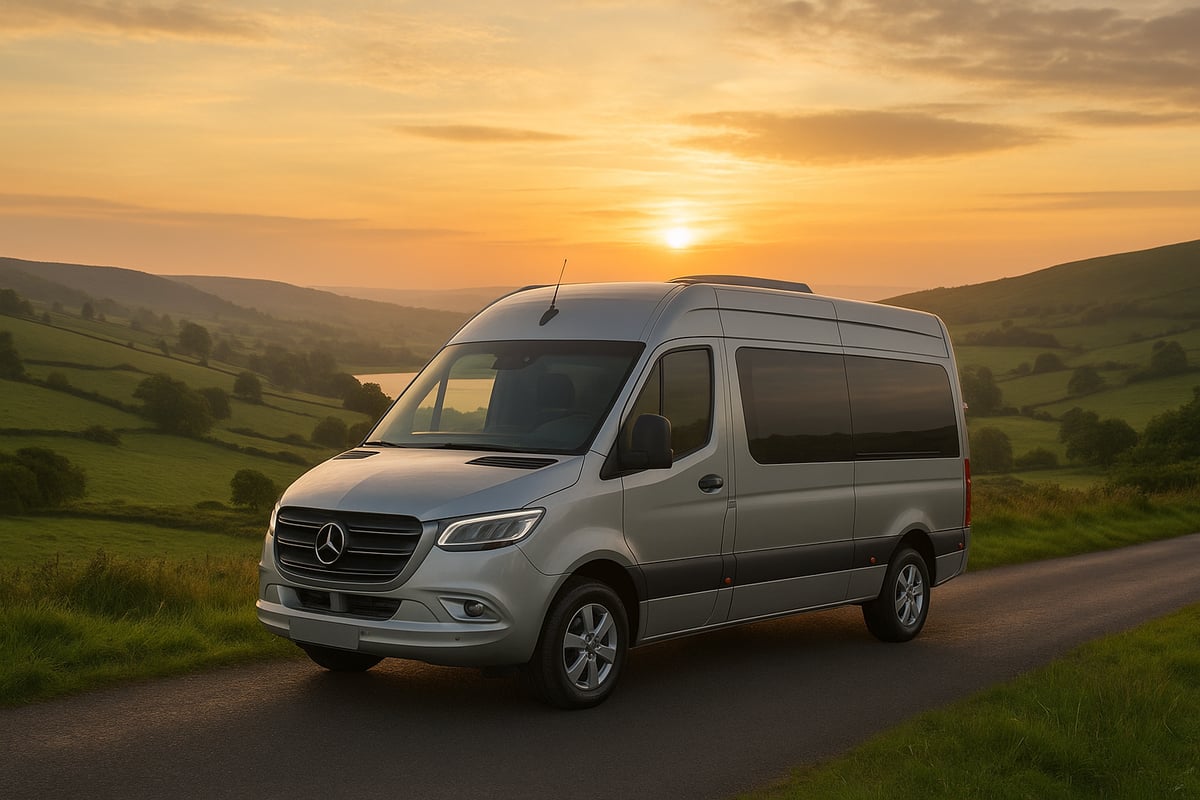
Choosing an rv sprinter van rental brings a wealth of advantages for the modern traveller. First, Sprinter vans are celebrated for their impressive fuel efficiency, often delivering up to 20 percent better miles per gallon than traditional motorhomes. This not only reduces your travel costs but also lessens your environmental impact.
Their compact size makes navigation and parking straightforward, whether you are exploring bustling city streets or winding rural lanes. Unlike larger RVs, a Sprinter van slips easily into standard parking spaces, offering a stress-free driving experience.
Step inside a 2025 model, and you will find a host of luxury amenities. Expect smart tech integration, solar panels for off-grid power, and modular furniture that maximises living space. The Mercedes-Benz pedigree ensures robust engineering, advanced safety features, and reliability for peace of mind on the road.
2025 Sprinter vans now boast features such as integrated Wi-Fi, touch-screen controls, and eco-friendly materials throughout the interior. These innovations transform your rv sprinter van rental into a mobile sanctuary, perfectly suited for adventure and relaxation.
How does an rv sprinter van rental perform against other popular RV categories like Class A or Class C motorhomes? The difference is striking, particularly in size, manoeuvrability, and cost.
Sprinter vans are notably smaller, making them ideal for couples, solo travellers, or small families. Their car-like handling ensures even first-time renters feel confident behind the wheel. In contrast, Class A and C motorhomes can be challenging to drive, especially on narrow roads or through tight village lanes.
Rental data from 2024 shows an 18 percent year-on-year increase in demand for Sprinter vans, highlighting their growing popularity. For example, navigating the narrow roads of the Lake District is far simpler in a Sprinter van than a larger RV. If you are planning a scenic getaway, consider this guide to exploring the Lake District in a motorhome for inspiration.
Here is a brief comparison:
| Feature | Sprinter Van | Class A Motorhome | Class C Motorhome |
|---|---|---|---|
| Size | Compact | Large | Medium |
| Fuel Efficiency | High | Low | Moderate |
| Manoeuvrability | Excellent | Challenging | Moderate |
| Cost to Rent | Lower | Higher | Moderate |
Choosing an rv sprinter van rental means enjoying greater flexibility, lower running costs, and a smoother journey through both city and countryside.
An rv sprinter van rental is ideal for a diverse range of travellers. Adventure seekers love the freedom to roam off the beaten track, while digital nomads appreciate reliable onboard Wi-Fi and smart tech for working remotely. Eco-conscious travellers benefit from low-emission engines and sustainable materials.
First-time renters find Sprinter vans accessible due to their intuitive controls and car-like handling. Families with young children also enjoy the flexible layouts and modern amenities.
Consider the case of a family of four who spent a week touring Scotland in a Sprinter van. They experienced comfort, convenience, and the flexibility to explore remote lochs and bustling towns alike, all without the challenges of a larger vehicle.
With the right rv sprinter van rental, your 2025 adventure can be as comfortable and effortless as it is unforgettable.
Selecting the ideal rv sprinter van rental is the first step towards a memorable road trip in 2025. With so many options on the market, it is crucial to match your travel style, group size, and comfort needs with the right van and rental provider. This guide breaks down the key factors to consider to ensure your journey is smooth and enjoyable.
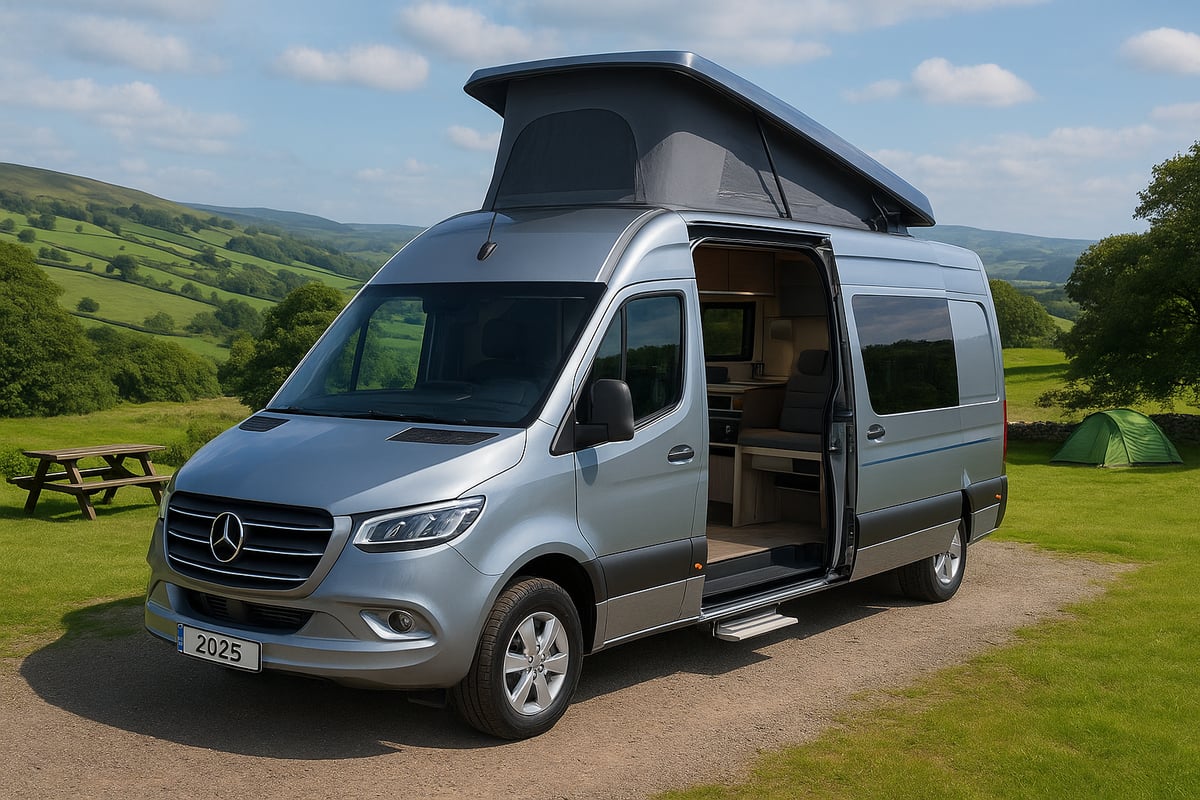
Begin by evaluating what you require from your rv sprinter van rental. Consider the number of travellers: are you a solo explorer, a couple, or a family? Berth requirements matter, as different Sprinter vans offer various sleeping arrangements such as fixed beds, convertible sofas, or pop-tops.
Next, think about your trip duration and route. Will you need a one-way rental for a cross-country adventure, or are you planning a round trip? Look for pet-friendly and accessible options if you have specific needs, such as wheelchair access or travelling with animals.
A clear understanding of your requirements will help narrow down your rv sprinter van rental choices and ensure comfort throughout your journey.
Choosing a reputable provider is essential for a stress-free rv sprinter van rental experience. Prioritise companies known for their well-maintained fleets and excellent customer support. Check for comprehensive insurance coverage and transparent rental policies.
Review customer feedback on platforms like Trustpilot and Google. Pay attention to comments about cleanliness, reliability, and after-sales service. Compare what each company includes in the rental package, such as kitchenware, bedding, sat navs, or bike racks.
Create a shortlist of providers offering the most value for your rv sprinter van rental by weighing up factors such as location, fleet age, and inclusions.
Before confirming your rv sprinter van rental, read the terms and conditions thoroughly. In the UK and EU, most companies require drivers to be at least 21 or 25 years old and hold a valid licence for at least one year.
Understand the deposit amount, insurance excess, and the level of cover provided. Check for mileage limits, fuel policies, and whether breakdown cover is included. Some rentals offer unlimited miles, while others charge per mile.
Being aware of these details will help you avoid unexpected costs and ensure your rv sprinter van rental suits your travel plans.
The latest Sprinter vans offer a host of new features, making your rv sprinter van rental more comfortable than ever. Look for models with solar charging, advanced smart navigation, and remote diagnostics. Comfort upgrades such as climate control, memory foam mattresses, and blackout blinds are now standard in many 2025 vehicles.
Sustainability is also a growing trend, with low-emission engines and interiors made from recycled materials. For a detailed overview of the newest features and amenities, the 2025 Mercedes-Benz Sprinter Review provides valuable insight into what you can expect from the latest models.
Choosing a well-equipped rv sprinter van rental ensures you have the technology and comfort required for an exceptional journey.
Securing the best value on your rv sprinter van rental involves timing and research. Book early to take advantage of early bird discounts, especially for peak travel periods like summer. Alternatively, last-minute deals can offer savings if you are flexible with your dates.
Monitor seasonal pricing trends, as rates typically range from £900 to £1,400 per week in 2025. Compare offers carefully, looking out for hidden fees or extra charges for mileage and cleaning.
With a strategic approach, you can maximise your budget and enjoy a premium rv sprinter van rental experience without compromise.
Embarking on your rv sprinter van rental journey in 2025 opens up a world of possibilities, but it pays to follow a clear process. Here is a practical, step-by-step guide, designed to simplify your experience and help you secure the perfect vehicle for your adventure.
Begin your rv sprinter van rental by identifying reputable companies with strong reviews and a varied fleet. Use online comparison sites and direct company websites to explore options near your intended start point.
Look for:
Shortlist a few providers that meet your criteria. Take time to read genuine customer feedback on platforms like Trustpilot and Google. This approach ensures you’re considering only those who consistently deliver quality and reliability for your rv sprinter van rental.
Once you have a shortlist, visit each provider’s website to check current availability for your travel dates. For your rv sprinter van rental, request detailed quotes that outline all included features, insurance, and any additional fees.
Compare:
Pay attention to hidden charges and seasonal pricing. Request a sample price breakdown for a 7-night rental, including deposit and insurance, to make accurate comparisons. This transparency is vital to avoid surprises later in your rv sprinter van rental process.
Next, examine the specific models available for your rv sprinter van rental. Review floorplans, bed sizes, storage options, and bathroom facilities. Many providers offer virtual tours or video walkthroughs, allowing you to inspect features remotely.
Key questions to ask:
If possible, arrange a viewing in person. This ensures the rv sprinter van rental meets your comfort and needs, setting the stage for a stress-free journey.
After selecting the ideal vehicle, it’s time to finalise your rv sprinter van rental. Most companies require a deposit to secure your booking, with balance payment options varying by provider.
Check the rental agreement for:
Read all terms carefully before confirming. Keep a copy of your booking confirmation and agreement for reference. This attention to detail ensures your rv sprinter van rental is protected and all expectations are clear.
As your travel date approaches, gather all necessary documents for your rv sprinter van rental. Typical requirements include:
When you arrive for pick-up, inspect the van thoroughly. Use a checklist:
If you have additional questions about what to bring or expect, consult the Frequently asked questions about van hire for detailed guidance. This preparation ensures a smooth start to your rv sprinter van rental.
With the keys in hand, take time to familiarise yourself with the van’s controls and features. Review the dashboard, climate control, and navigation systems before departing on your rv sprinter van rental.
Before your first night, plan a nearby stop and double-check your supplies:
Practice driving in a quiet area if you’re new to this type of vehicle. Navigating UK roads in a rv sprinter van rental can be straightforward with a little preparation. Enjoy the freedom and flexibility your rental brings, and remember to stay safe and savour each moment of the journey.
Embarking on a rv sprinter van rental in 2025 means enjoying a new standard of mobile comfort and convenience. Modern Sprinter vans are thoughtfully designed to blend luxury, practicality, and innovative technology for travellers at every stage of their journey.
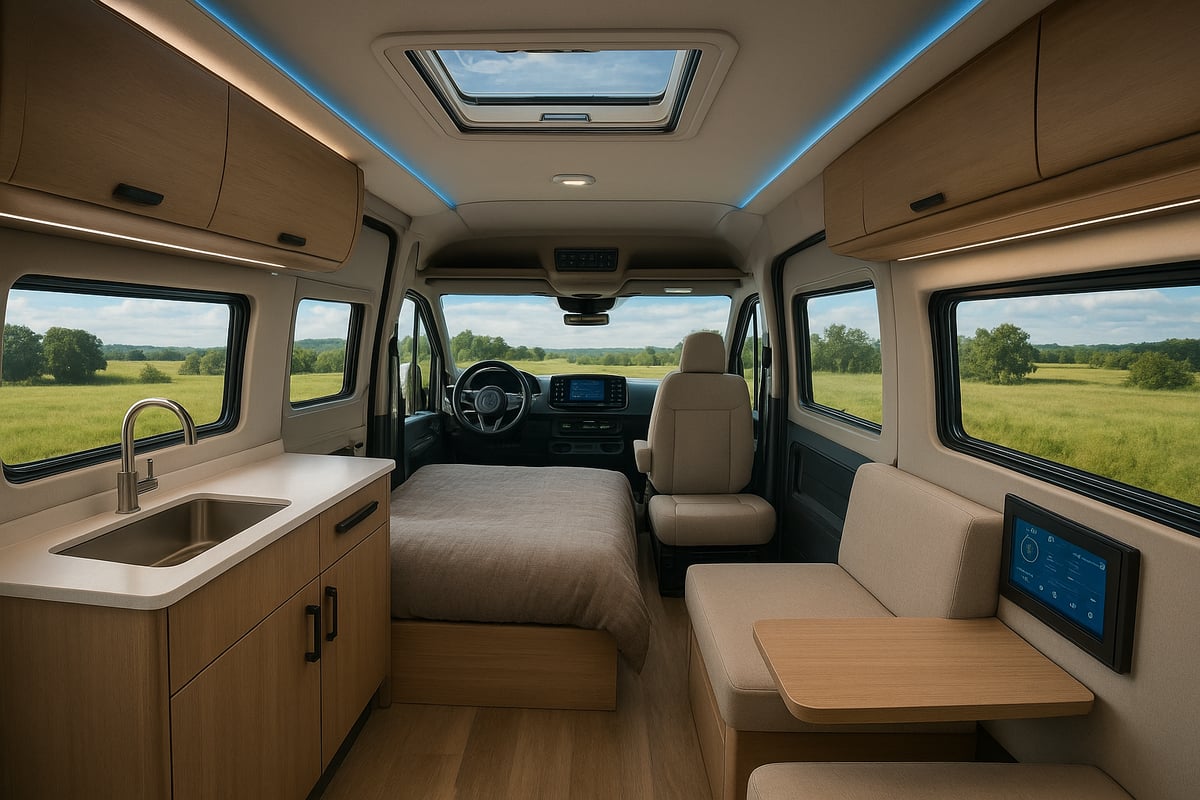
The heart of any rv sprinter van rental is its living space. In 2025, renters can expect a choice of bed configurations, including fixed double beds, convertible sofas, and even pop-top sleeping areas for extra guests. Many layouts maximise both sleeping comfort and storage, with memory foam mattresses and under-bed compartments.
Kitchen facilities are compact but efficient, often featuring induction hobs, energy-saving fridges, microwaves, and integrated water tanks for cooking and cleaning. Dining spaces transform seamlessly from meal prep areas to relaxing lounges.
For a deeper look at the latest interior innovations, including modular furniture and eco-friendly materials, see the 2025 Sprinter Van Interior Features.
Travellers on a rv sprinter van rental in 2025 will appreciate high-speed onboard Wi-Fi, multiple USB charging points, and smart home integration for climate, lighting, and entertainment. Many vans offer solar panels paired with advanced battery management, supporting both connectivity and sustainability.
Touch-screen navigation and remote diagnostics are becoming standard, helping drivers plan routes and monitor vehicle health with ease. These tech upgrades cater to digital nomads and families alike.
Safety is a top priority in any rv sprinter van rental. Advanced driver assistance features such as lane keep assist, adaptive cruise control, and 360-degree cameras help boost driver confidence, whether in city traffic or on winding rural roads.
Security is equally robust, with GPS tracking, remote locking, and alarm systems protecting both passengers and belongings. These features offer peace of mind, especially when parking overnight at unfamiliar sites.
Comfortable travel year-round is a hallmark of the modern rv sprinter van rental. Expect efficient heating and air conditioning systems designed for all-season use, as well as blackout blinds for privacy and restful sleep.
Off-grid capabilities are strong, with self-contained water, waste, and power management. Solar charging allows for wild camping without sacrificing essential comforts, giving you freedom to explore remote locations.
A 2025 rv sprinter van rental is designed with inclusivity in mind. Many models offer layouts with accessible entryways, wider aisles, and easy-to-use controls, making them suitable for travellers with mobility needs.
For families, child seat anchor points, adaptable sleeping spaces, and pet-friendly options are often available. These thoughtful additions ensure that everyone, from young children to furry companions, enjoys the adventure in comfort and safety.
Embarking on an rv sprinter van rental adventure in 2025 is as much about the journey as the destination. Careful planning ensures you make the most of each mile, enjoy every stop, and travel with peace of mind. Let us guide you through expert tips for mapping your route, booking campsites, packing smart, and staying safe and sustainable.
Choosing the right route is key to a memorable rv sprinter van rental. The UK and Europe offer a wealth of scenic drives, from the rugged North Coast 500 in Scotland to the picturesque lanes of Cornwall and the Lake District. These routes are ideal for Sprinter vans due to their manoeuvrability and compact size.
Start by listing your must-see destinations. Research travel times, road conditions, and any low-emission zones you may need to navigate. For a detailed look at one of the UK's most iconic drives, consult this NC500 route guide for Scotland, which is perfect for planning a Sprinter van tour.
When mapping your rv sprinter van rental journey, factor in rest stops and local attractions. This allows flexibility and ensures you enjoy both the drive and the destinations.
Finding the right place to park overnight is vital for a smooth rv sprinter van rental experience. Book campsites in advance, especially during peak travel periods. Look for sites that cater to Sprinter vans, offering electric hookups, water, and waste disposal.
Wild camping laws vary by country and region. In Scotland, for example, wild camping is generally permitted with respect for local guidelines, while in England and Wales, overnight parking outside official sites may be restricted. Always check local regulations and use designated areas where possible.
Respect the environment and leave no trace. Adhering to campsite and wild camping rules helps preserve these beautiful spots for future rv sprinter van rental travellers.
Efficient packing is crucial in a compact rv sprinter van rental. Start with a checklist of essentials: clothing for all weather, a well-stocked first aid kit, and multi-use kitchenware. Space-saving solutions, like collapsible containers and soft-sided bags, make storage easier.
Consider packing lightweight outdoor chairs, a portable barbecue, and tech gear such as charging cables and power banks. For 2025, smart gadgets like solar-powered lanterns and compact battery packs are increasingly popular.
Preparation ensures you have everything you need for comfort and convenience, making your rv sprinter van rental both enjoyable and stress-free.
Safety and sustainability are at the heart of a responsible rv sprinter van rental. Before heading out, check your vehicle’s safety features, including tyre pressure, lights, and emergency equipment. Always have a breakdown kit, warning triangle, and reflective jacket on board.
Conserve resources by managing water use and disposing of waste at approved sites. Support local businesses when sourcing food and supplies, reducing your environmental impact. Practise good campsite etiquette by keeping noise to a minimum and respecting wildlife.
By prioritising safety and sustainability, you ensure your rv sprinter van rental adventure is rewarding, responsible, and memorable.
Curious about common queries when it comes to rv sprinter van rental? Here, we answer the most frequent questions to help you plan a smooth and enjoyable journey for 2025.
What driving licence do I need to rent a Sprinter van in the UK or EU?
To hire a rv sprinter van rental in the UK, you typically need a standard Category B driving licence. This covers most Sprinter vans up to 3.5 tonnes. For larger or heavier models, check with your rental provider as additional entitlements may be required. EU rules are similar, but always confirm licence requirements before booking.
Are there age restrictions for rv sprinter van rental?
Most companies require drivers to be at least 21 or 23 years old, with a minimum of one or two years’ driving experience. Some providers may impose an upper age limit or charge additional fees for younger or older drivers. Always review the specific age policies of your chosen rental company.
Can I take a Sprinter van to Europe from the UK?
Yes, many rv sprinter van rental companies allow travel from the UK to mainland Europe. You will need to inform the rental provider in advance and ensure you have the correct insurance and breakdown cover for European travel. Be aware of cross-border requirements, tolls, and low-emission zones in different countries.
What’s included in the rv sprinter van rental price?
Rental prices usually cover the van itself, standard insurance, and basic equipment. Extras like kitchenware, bedding, or GPS may be included or available for an added fee. For a broader look at what you might expect, see these 10 reasons to hire a motorhome, which also apply to Sprinter van rentals.
How does insurance work for rv sprinter van rental?
Insurance is generally included, but always check the level of cover. Standard policies include third-party and collision damage waiver, though an excess may apply. You can often purchase additional coverage to reduce your excess or include personal belongings.
What if I break down or need assistance on the road?
Most rv sprinter van rental packages come with breakdown cover. If you encounter issues, contact the rental company’s helpline for support. Many providers offer roadside assistance and a replacement vehicle if needed, ensuring minimal disruption to your trip.
Are Sprinter vans suitable for winter travel?
Absolutely, modern Sprinter vans are equipped with efficient heating and insulation. Many 2025 models feature advanced climate control and winter tyres. Always confirm with your rental company that your chosen van is suitable for cold weather destinations.
How far in advance should I book for summer 2025?
It’s best to secure your rv sprinter van rental at least three to six months ahead of peak travel periods. Early booking increases your options and may unlock discounts. Last-minute availability is possible but limited, especially during school holidays.
Example: Real customer experiences and solutions to common issues
A family recently booked a rv sprinter van rental for a Scottish Highlands tour. They encountered a minor breakdown, but the rental company’s swift roadside assistance kept their holiday on track. Always read your rental agreement and keep emergency contact details handy for peace of mind.
After exploring what makes Sprinter vans the standout choice for flexibility, comfort, and smart travel in 2025, you’re now equipped with everything you need to plan your next adventure across Yorkshire and beyond. Whether you’re dreaming of scenic coastlines or hidden countryside gems, the right vehicle can make all the difference. If you’re ready to turn these expert tips into unforgettable memories, take the next step and choose from The Camper Co’s carefully maintained fleet—perfect for solo trips, family journeys, or a getaway with friends. Your road trip starts here—Book Now.
Imagine waking to the rhythm of Atlantic waves, mist curling around ancient Scottish castles, and the promise of untamed landscapes stretching before you. With north coast 500 campervan hire, this dream becomes a reality, offering the freedom to explore Scotland’s most spectacular route on your terms. This expert 2025 guide will walk you step by step through planning the perfect NC500 adventure, from choosing the right campervan and mapping out your journey to discovering top campsites, budgeting tips, and sustainable travel insights. Let us help you unlock a seamless, unforgettable Scottish road trip.
Imagine the thrill of setting off along Scotland’s legendary coastal route, with the flexibility to shape your journey as you go. Opting for north coast 500 campervan hire unlocks a unique way to explore, offering freedom, comfort, and an immersive experience that few other travel styles can match.
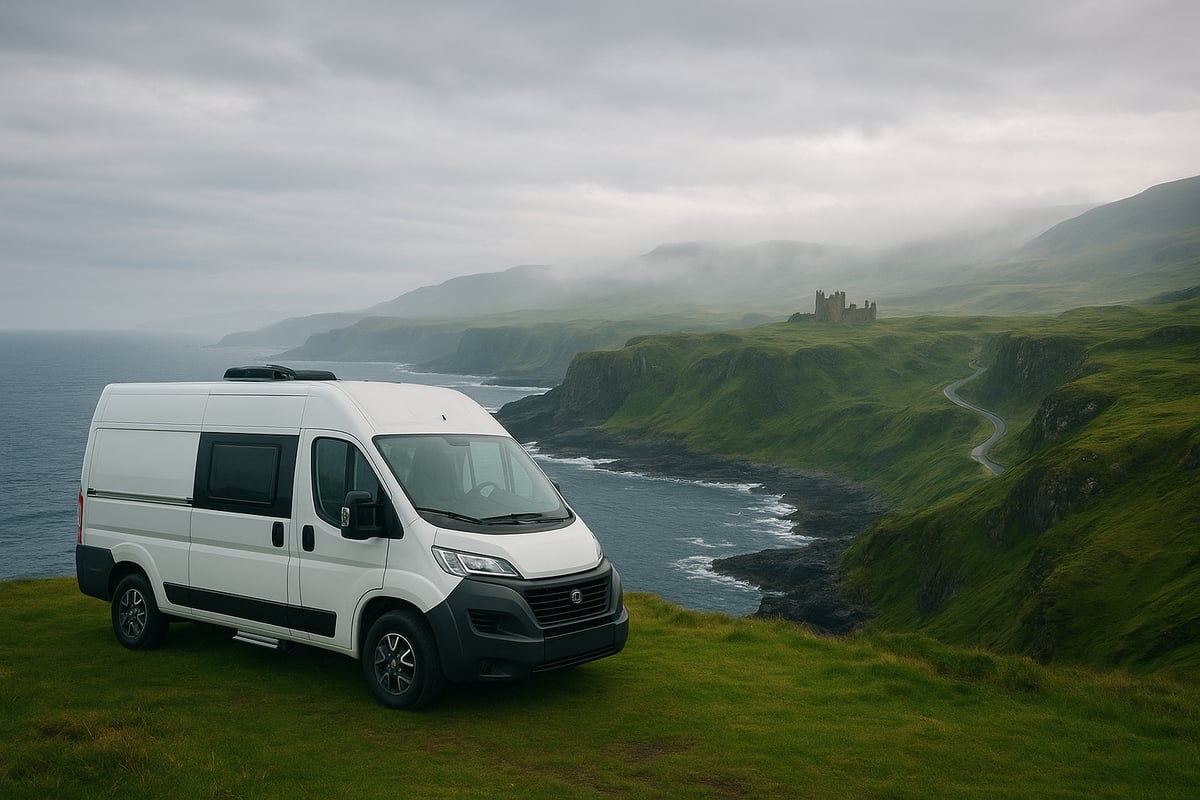
One of the greatest joys of north coast 500 campervan hire is the remarkable freedom it brings. You can pause at remote beaches, hidden coves, or windswept viewpoints whenever inspiration strikes. Change your plans to follow the sunshine or chase a dramatic Highland sunset. There is no need to be tied to rigid hotel bookings or rush from place to place. The open road is yours to explore, at your own pace, making every day an adventure.
Modern campervans are designed to make travel comfortable, even in the unpredictable Scottish climate. You will find beds, kitchens, heating, and sometimes even bathrooms onboard, ensuring a pleasant experience whatever the weather. North coast 500 campervan hire is perfect for families, couples, or solo explorers who want to enjoy home comforts while on the move. No more packing and unpacking every day, just settle in and enjoy the journey. For more on the practical perks, see these 10 reasons to hire a motorhome.
Campervan travel lets you wake up to a new view every morning, whether it is a tranquil loch, a dramatic mountain, or a wild coastal vista. With north coast 500 campervan hire, you have access to wild camping spots and unique campsites dotted along the route. Step outside for a morning walk, spot wildlife from your window, or set off on a hike straight from your door. The landscape becomes your living room, immersing you fully in the magic of the Highlands.
Choosing north coast 500 campervan hire can be surprisingly economical. Your vehicle is both your transport and your accommodation, often costing less than booking hotels and hiring a car separately. Cooking your own meals helps keep food costs down, and many hire companies offer discounts for longer bookings or off-peak travel. This makes it easier to stretch your budget, allowing for more days spent exploring Scotland’s breathtaking scenery.
The NC500 has earned its place among the world’s most iconic road trips. In recent years, there has been a 35% rise in north coast 500 campervan hire bookings, reflecting a growing appetite for flexible, self-sufficient travel. More people are seeking sustainable holidays that let them connect with nature and adapt their plans to suit their interests. Campervan journeys are now the preferred choice for many visitors eager to experience the best of the Scottish Highlands.
Many travellers report wishing they had more time on the NC500, thanks to the endless opportunities for detours and discoveries. With north coast 500 campervan hire, you can explore both the east and west coasts, taking in everything from ancient castles to stunning beaches. The west coast is especially loved for its dramatic landscapes, so having the freedom to linger there is a true advantage. Every journey is unique, shaped by your own interests and sense of adventure.
Embarking on your north coast 500 campervan hire journey is an exciting prospect, but careful planning is essential for a smooth and memorable experience. This step-by-step guide breaks down every stage to help you make the most of your Scottish road trip.
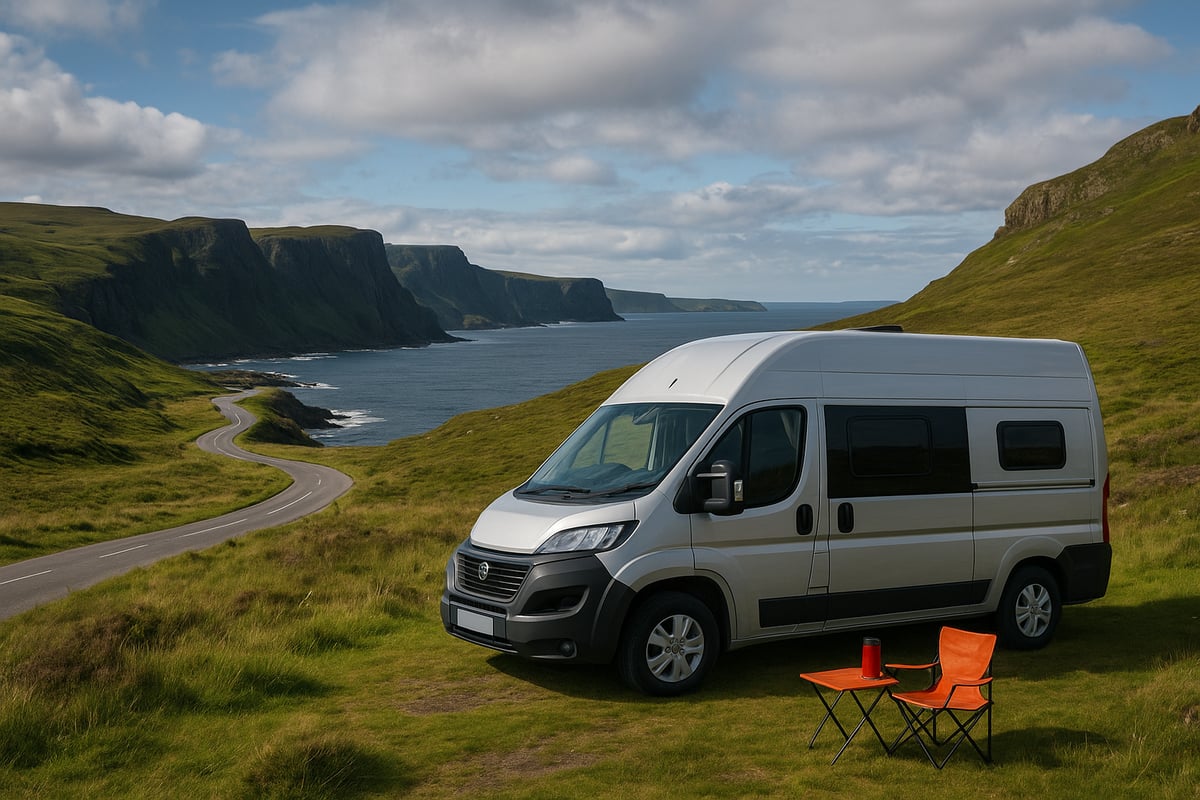
Timing is crucial when planning your north coast 500 campervan hire adventure. The months from May to September offer the best weather and longest daylight hours, perfect for exploring the Highlands. If you prefer quieter roads and fewer tourists, consider travelling in April or October.
Be mindful of midges in summer, especially near water, and check for local events that might affect campsite availability. Winter travel offers solitude and snow-capped views, but you must prepare for challenging road conditions and limited campsite facilities.
Deciding whether to travel clockwise or counter-clockwise can shape your north coast 500 campervan hire experience. Many travellers start in Inverness and choose to head east first, which offers gentler roads and builds up to the dramatic scenery of the west coast.
Nervous passengers may appreciate tackling the easier sections before moving on to more challenging routes. For more detailed route options and itinerary suggestions, consult this NC500 route planning guide.
Selecting the right vehicle is key for a comfortable north coast 500 campervan hire. Couples or solo travellers often choose a compact 2-berth, which is easier to drive on single-track roads. Families may prefer a 4-berth or larger, offering more space and amenities such as a kitchen, heating, and a bathroom.
Consider pet-friendly or accessible options if needed. Check what facilities are included, as Scottish weather can be unpredictable and onboard heating is often a must.
Securing your north coast 500 campervan hire with a trusted company ensures peace of mind. Look for providers that include comprehensive insurance, breakdown cover, and clear mileage policies. Read customer reviews to assess reliability and service quality.
Peak season (June to August) is highly sought after, so it is wise to book your campervan six to twelve months in advance to secure your preferred model and dates.
A successful north coast 500 campervan hire trip relies on thoughtful overnight planning. Scotland offers a mix of wild camping (where permitted), official campsites, and holiday parks. Booking ahead is strongly recommended during summer months, as popular sites fill quickly.
Look for dog-friendly and family-friendly sites if required, and always follow local regulations. Some areas allow wild camping, but you must respect the Scottish Outdoor Access Code and leave no trace.
Preparation is vital for your north coast 500 campervan hire adventure. Pack clothing for all weather conditions, including waterproofs and warm layers. Stock up on food supplies and bring essential outdoor gear, as shops can be scarce in remote areas.
Download offline maps and route guides to avoid getting lost where mobile signal is weak. Ensure your safety kit includes a first aid kit, torch, and warning triangle.
Driving a campervan in Scotland comes with unique challenges. Familiarise yourself with speed limits for larger vehicles, and practise using passing places on single-track roads. Drink-driving laws are strictly enforced, so always designate a sober driver.
Take care on winding, narrow roads, especially on the west coast, and allow extra time for travel between stops. Respect local wildlife and livestock, which may wander onto roads unexpectedly.
To help visualise your route, consider this sample 10-day north coast 500 campervan hire itinerary:
| Day | Destination | Highlights |
|---|---|---|
| 1 | Inverness | Castle, supplies, museums |
| 2 | Dornoch | Cathedral, whisky, Loch Fleet |
| 3 | John O’Groats | Signpost, wildlife cruises |
| 4 | Dunnet Head | Cliffs, lighthouse |
| 5 | Durness | Smoo Cave, beaches |
| 6 | Ullapool | Seafood, fishing village |
| 7 | Ardmair/Lochinver | Beaches, hiking |
| 8 | Applecross | Bealach na Bà, village inn |
| 9 | Torridon | Mountains, wildlife |
| 10 | Return Inverness | Local crafts, scenic drive |
This itinerary allows for a relaxed pace, scenic detours, and time to enjoy Scotland’s natural wonders.
Selecting the right vehicle is a key step for a successful north coast 500 campervan hire. The variety of options can be overwhelming, but understanding the differences between models, features, and policies will help you make an informed choice. This section breaks down the essentials so you can confidently choose the perfect campervan for your Scottish adventure.
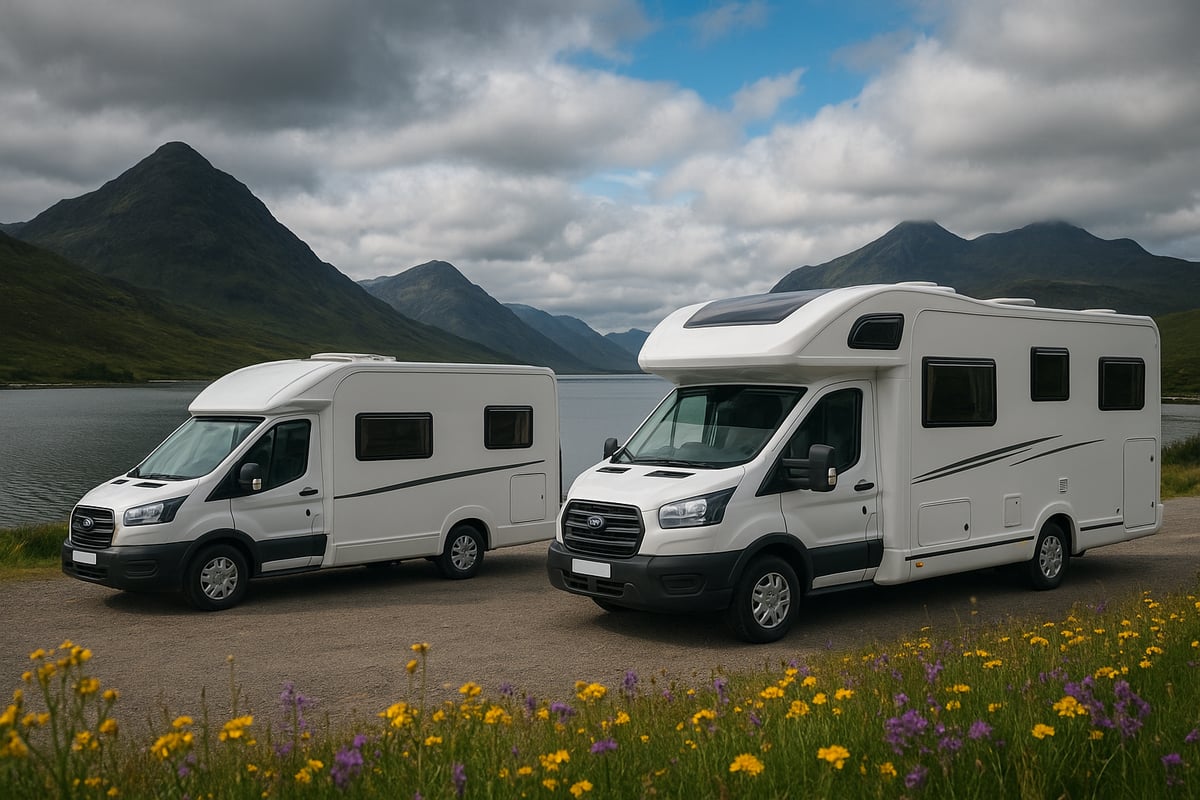
When planning your north coast 500 campervan hire, you will encounter several vehicle types: classic campervans, larger motorhomes, and van conversions. Campervans are compact, often easier to drive and park, making them ideal for couples or solo travellers. Motorhomes offer more space and amenities, which suit families or groups. Van conversions blend flexibility and comfort, adapting to different travel styles.
Choosing the best size depends on your group and travel preferences. Compact models are agile on narrow NC500 roads, while larger vehicles provide added comfort but require more careful navigation and parking.
Scotland’s unpredictable climate and remote landscapes mean your north coast 500 campervan hire should include certain features. Heating and insulation are vital for chilly nights, even in summer. Onboard toilets and showers add convenience when wild camping or stopping in secluded areas. Solar panels and off-grid capabilities extend your freedom, letting you explore without relying solely on campsites.
Additional amenities like well-equipped kitchens, blackout blinds, and ample storage enhance your comfort throughout the journey. Prioritise these features when choosing your vehicle for the NC500.
Accessibility is an important consideration for many travellers. Some north coast 500 campervan hire companies offer vehicles with wider doors, ramps, and adapted controls for disabled guests. Always check availability and pre-book accessible models well in advance.
If you plan to bring your dog, look for pet-friendly campervan policies. Many hire companies welcome pets, but may require a small fee or specific cleaning arrangements. Travelling with a pet can make your NC500 adventure even more memorable.
A comprehensive north coast 500 campervan hire package generally includes insurance (third-party and collision damage waiver), breakdown assistance, and a mileage allowance. Most hires also provide kitchen essentials, bedding, outdoor furniture, and sometimes extras like bike racks or child seats.
Before booking, confirm exactly what is included to avoid unexpected expenses. Optional extras such as sat navs, portable BBQs, or additional driver cover can enhance your trip but may incur further charges.
To secure the best north coast 500 campervan hire, read all terms and conditions carefully. Watch for hidden fees, such as cleaning charges, extra mileage, or late return penalties. Check age and licence requirements, which typically range from 21 to 75 years and accept UK or EU licences.
Compare prices and reviews from multiple hire companies. Booking early, especially for peak season, increases your choices and may lead to cost savings. Consider off-season discounts if your travel dates are flexible.
For north coast 500 campervan hire, the choice often comes down to compact versus family-sized models. A 2-berth campervan is nimble, easy to park, and efficient on fuel, making it perfect for couples or solo adventurers. In contrast, a 4-6 berth motorhome provides more space, full bathroom facilities, and larger kitchens, ideal for families but with higher running costs.
To see specific layouts, features, and compare popular models, visit Comparing campervan hire models. Reviewing these options will help you match your needs to the right vehicle and ensure a comfortable, hassle-free journey.
Embarking on the north coast 500 campervan hire adventure reveals Scotland’s untamed beauty, from castle-topped hills to white-sand beaches. Each stretch of the NC500 route offers unique sights, activities, and places to park up for the night. Here’s a detailed journey through the best segments, must-see attractions, and recommended campsites.
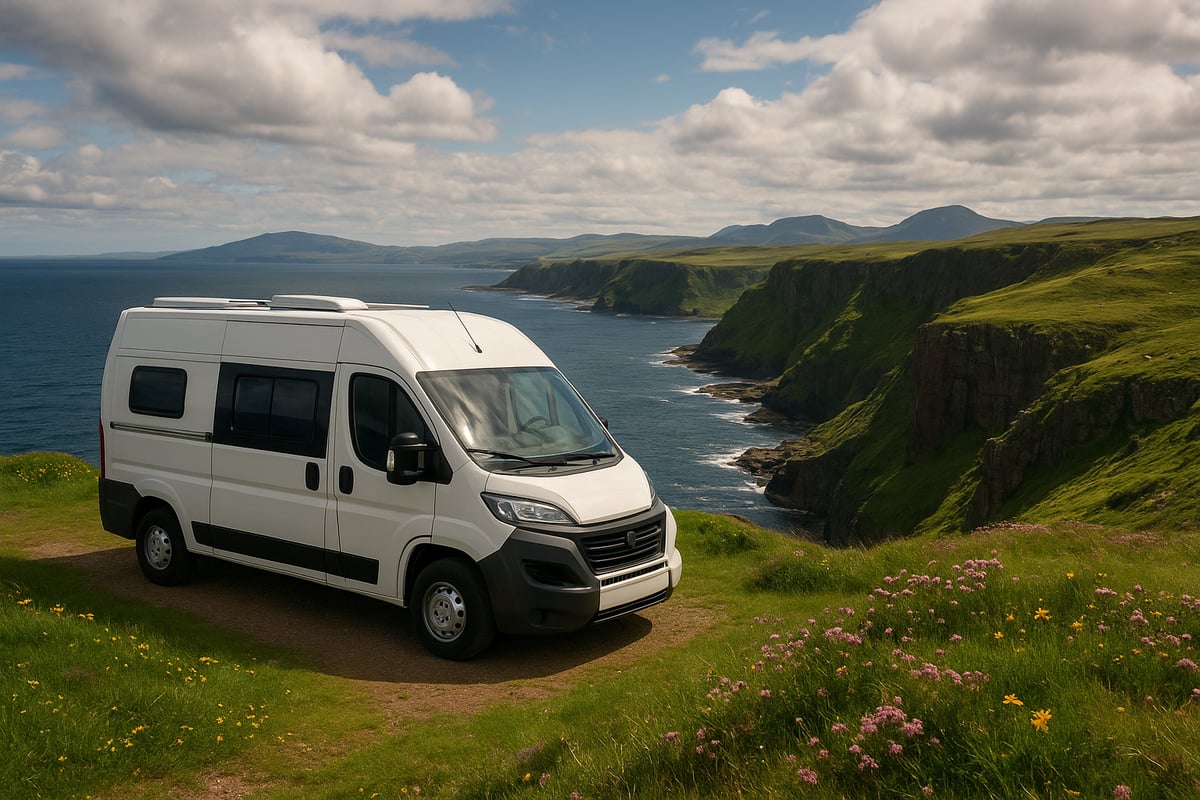
Begin your north coast 500 campervan hire journey in Inverness, the vibrant city known as the gateway to the Highlands. Here, stock up on essentials and take time to visit Inverness Castle or stroll along the River Ness.
Travel north along the east coast to Dornoch, a picturesque town with a medieval cathedral, golden beach, and whisky tastings at Dornoch Castle Hotel. Nature lovers will appreciate the Loch Fleet Nature Reserve, home to seals and osprey.
For your first overnight stop, Dornoch Firth Caravan Park is an excellent choice. This dog-friendly site offers electric hook-ups, free WiFi, and easy access to the beach, ensuring a comfortable start to your adventure.
As you approach John O’Groats, the iconic signpost marks the most northerly point on mainland Britain. Take a photo, then consider a wildlife cruise or ferry to Orkney for a day trip.
Heading west, explore dramatic cliffs and sweeping beaches. Dunnet Head, the true northernmost point, offers panoramic views and birdwatching. Smoo Cave in Durness is a geological marvel with its vast sea cave and waterfall.
Stay at Ferry View Camp Site or Sango Sands Oasis, both popular with north coast 500 campervan hire travellers. These sites offer facilities like showers, laundry, and unforgettable sea views right from your pitch.
This section is famed for its wild scenery. Drive along twisting roads flanked by towering mountains, tranquil lochs, and remote white-sand beaches. Opportunities abound for hiking, kayaking, and spotting red deer or eagles.
Cape Wrath, accessible by a small ferry and minibus, is the UK’s most north-westerly point and home to a remote lighthouse. Ullapool, a lively fishing village, is your next major stop, known for fresh seafood, music, and the ferry to Stornoway.
For north coast 500 campervan hire comfort, Ardmair Point and Broomfield Holiday Park are top picks. Both offer stunning views, modern amenities, and easy access to Ullapool’s shops and restaurants.
Continue south through Wester Ross, where the landscape becomes even more dramatic. Make time for Corrieshalloch Gorge, a deep box canyon with a suspension bridge, and the lush Inverewe Gardens.
The drive to Applecross is a highlight of any north coast 500 campervan hire trip. Brave the legendary Bealach na Bà, a winding mountain pass with hairpin bends and breathtaking views. Applecross village itself is charming, and the Applecross Inn is renowned for its seafood.
Campsites like Sands Caravan & Camping and Applecross Campsite provide excellent facilities, with direct access to walking trails and the rugged coastline.
The final stretch leads through Torridon, a haven for hikers and wildlife enthusiasts. The region’s lochs and glens are ideal for peaceful walks or photography, with chances to spot pine martens or otters.
Lochcarron, a traditional village, invites you to browse local crafts or enjoy a meal in a cosy pub. The route continues east through Achnasheen, winding back towards Inverness.
For your last night, Kinlochewe Caravan Club Site is a tranquil base, surrounded by mountains and close to Beinn Eighe National Nature Reserve. Finish your north coast 500 campervan hire loop with memories of Scotland’s wild heart.
When planning your north coast 500 campervan hire adventure, consider driving counter-clockwise if you are new to narrow Highland roads. This direction takes you up the gentler east coast first, allowing time to adjust before tackling the west’s winding routes.
Allow extra time for the west coast, as the scenery often tempts you to stop for photos or hikes. Book your campsites in advance, especially in summer, to secure the best spots and avoid last-minute stress.
For up-to-date parking, waste disposal, and local regulation advice, consult the Highland Council Campervan Guidance. This resource helps ensure your journey is both enjoyable and responsible.
Here is a sample itinerary to inspire your north coast 500 campervan hire trip:
| Day | Route Segment | Highlights | Recommended Campsite |
|---|---|---|---|
| 1 | Inverness to Dornoch | Castle, cathedral, beach | Dornoch Firth Caravan Park |
| 2 | Dornoch to John O’Groats | Dunrobin Castle, wildlife | Ferry View Camp Site |
| 3 | John O’Groats to Durness | Dunnet Head, Smoo Cave | Sango Sands Oasis |
| 4 | Durness to Ullapool | Beaches, Cape Wrath | Ardmair Point |
| 5 | Ullapool to Gairloch | Corrieshalloch Gorge, gardens | Sands Caravan & Camping |
| 6 | Gairloch to Applecross | Bealach na Bà, Applecross Inn | Applecross Campsite |
| 7 | Applecross to Inverness | Torridon, Lochcarron, Achnasheen | Kinlochewe Caravan Club Site |
Adjust the days and stops to match your interests and pace. Each segment promises unique experiences and the freedom to explore Scotland’s wild north.
Embarking on a north coast 500 campervan hire adventure is not just about freedom, it is also about responsibility. To ensure a safe, respectful, and smooth journey, understanding the essential legalities and etiquette of the NC500 is vital. Here is what you need to know before you set off.
Wild camping is a highlight of the north coast 500 campervan hire experience, but it comes with clear responsibilities. Always follow the Scottish Outdoor Access Code to understand your rights and obligations as a visitor.
Stick to designated overnight spots wherever possible, especially near popular towns. Respect local communities by keeping noise down and never blocking driveways or access roads. Always leave no trace: dispose of waste properly, avoid fires, and protect the pristine landscapes that make the NC500 so special.
Safe driving is crucial on the north coast 500 campervan hire route. Many roads are single-track with passing places, so drive slowly and yield to oncoming traffic. Watch for livestock wandering on the roads and always be prepared for sudden weather changes.
Fuel stations can be few and far between, especially on remote stretches. Top up your tank regularly and carry a paper map in case of poor signal. Pack emergency supplies including a first aid kit and torch, so you are ready for any situation.
Before starting your north coast 500 campervan hire, check you have a valid driving licence, are within the hire company’s age limits, and understand Scotland’s strict drink-driving laws. Speed limits for campervans are lower than for cars, particularly on single and dual carriageways.
Comprehensive insurance is essential, covering both liability and damage. Keep your documents handy for any roadside checks, and ensure breakdown cover is included. This preparation keeps your journey legal and stress-free.
Travelling the north coast 500 campervan hire route means caring for Scotland’s environment. Use eco-friendly cleaning products and toiletries, and reduce single-use plastics wherever possible. Choose campsites with green credentials and recycle waste at every stop.
Support local businesses by shopping at independent stores and trying regional produce. Respect wildlife by observing from a distance and sticking to marked trails. Sustainable travel ensures the NC500 remains beautiful for future generations.
Many first-time north coast 500 campervan hire travellers underestimate the challenges of the route. Common mistakes include:
Plan ahead, pack wisely, and always check route updates. A little preparation helps you avoid these pitfalls and enjoy every mile of your NC500 adventure.
Preparing for your north coast 500 campervan hire adventure involves more than just booking a van and plotting a route. Careful budgeting, smart packing, and a few practical tips can make all the difference, ensuring a safe, comfortable, and memorable journey along Scotland’s iconic route.
Setting a clear budget is essential for any north coast 500 campervan hire. In 2025, expect to pay between £100 and £180 per night for campervan hire, depending on season and vehicle size. You’ll also need to factor in fuel, food, campsite fees, and attractions.
| Expense | Average Cost (per day) |
|---|---|
| Campervan Hire | £100–£180 |
| Fuel | £20–£35 |
| Campsite Fees | £20–£35 |
| Food & Groceries | £15–£30 |
| Attractions/Activities | £10–£25 |
To save money, consider travelling off-peak, choosing self-catering options, booking longer hires, and using local produce markets. For more practical budgeting advice, see these campervan and motorhome travel tips.
Packing wisely for your north coast 500 campervan hire means preparing for every kind of Scottish weather. Essentials include waterproof jackets, warm layers, sturdy boots, and hats. Don’t forget kitchen supplies, reusable water bottles, and a torch for evenings.
Bring navigation tools such as a GPS, offline maps, and printed guides. If you’re travelling with children or pets, add comfort items and extra bedding. Space is limited, so prioritise multipurpose clothing and compact gear.
Stock up on groceries in Inverness or major towns before heading into more remote areas of the north coast 500 campervan hire route. Local produce markets and farm shops offer fresh food and unique Scottish specialities. It’s wise to carry extra supplies in case shops are closed or out of stock.
Dining out can be a treat, with seafood, local whiskies, and hearty pub meals available along the route. Self-catering helps keep costs down and allows for flexible meal times, perfect for spontaneous stops at scenic viewpoints.
Health and safety should be a top priority on your north coast 500 campervan hire adventure. Always keep a first aid kit, prescription medicines, and insect repellent handy. Scottish midges can be persistent, especially in summer.
Ensure you have emergency contacts saved and know your breakdown cover details. Mobile signal can be unreliable in remote areas, so let someone know your planned route. Follow any relevant COVID-19 guidance for 2025 and maintain good hygiene throughout your trip.
Here’s a handy checklist for anyone undertaking a north coast 500 campervan hire:
Being well-prepared means you can focus on enjoying the journey, knowing you have everything you need for a smooth and memorable NC500 experience.
Embracing sustainable travel is essential for preserving the breathtaking landscapes and vibrant communities along the north coast 500 campervan hire route. Every traveller can make a positive difference by adopting responsible habits throughout their journey.
When planning your north coast 500 campervan hire, make eco-friendly choices at every stage. Use biodegradable cleaning products and toiletries, and opt for reusable containers to cut single-use plastics. Properly dispose of all waste and recycling at designated points, never leaving litter behind.
Choose campsites that demonstrate strong green credentials. Many offer recycling facilities, solar-powered amenities, and initiatives to reduce energy consumption. Always follow the Scottish Outdoor Access Code to understand your rights and responsibilities when camping or parking your campervan. For specific regulations within national parks, review the Loch Lomond & The Trossachs Motorhome Terms.
Small changes in your routine help protect Scotland’s wild places for future generations.
A north coast 500 campervan hire adventure is the perfect opportunity to support local businesses. Shop at independent stores and farmers’ markets for fresh produce and handmade crafts. Seek out local cafés, restaurants, and pubs to sample regional specialities.
Engage with community-run attractions and tourism initiatives. Attending local events, such as Highland games or village markets, enriches your trip and helps sustain rural economies. Respecting local customs and traditions fosters positive relationships between visitors and residents.
By making thoughtful spending choices, you contribute directly to the vibrant culture and resilience of the Highlands.
While exploring the north coast 500 campervan hire route, always observe wildlife from a respectful distance. Avoid disturbing nesting birds, seals, or deer, and never feed wild animals. Stick to marked trails to prevent damage to sensitive habitats.
Practice Leave No Trace principles by minimising your impact and reporting any litter or environmental concerns to local authorities. If you plan to wild camp, consult guidance like Managing Camping with Tents in Scotland for best practices on responsible camping.
Supporting local conservation projects and sustainability campaigns along the NC500 helps ensure Scotland’s natural wonders remain unspoilt for years to come.
After discovering how a campervan unlocks the freedom, comfort, and flexibility you need for the perfect North Coast 500 adventure, you’re ready to turn inspiration into reality. Imagine waking up to Scotland’s breath taking landscapes each day, exploring at your own pace, and knowing you’ve chosen the ideal vehicle for your journey. Whether you’re planning a solo escape, a couple’s getaway, or a family holiday, The Camper Co’s diverse fleet ensures you’ll find the right fit for your needs. Why wait to experience the road trip of a lifetime? Book Now and start planning your unforgettable Scottish adventure.
Imagine winding through the UK’s most breathtaking landscapes, the open road stretching ahead, with a classic VW camper van as your home and companion. The sense of freedom, comfort, and adventure is unmatched, making vw camper van rental uk the ultimate way to explore in 2025.
This guide will unveil seven essential tips to ensure your journey is seamless from start to finish. Discover how to choose your perfect van, avoid booking pitfalls, pack efficiently, map out scenic routes, stay safe, and elevate your road trip experience. Ready to transform your adventure dreams into reality? Let’s embark on the perfect VW camper van journey together.
The enduring charm of the VW camper van is woven into the fabric of British travel culture. From its heyday in the swinging sixties to a recent renaissance, the VW camper van has remained a symbol of freedom, adventure, and nostalgia. In the wake of the pandemic, interest in road travel has soared, making vw camper van rental uk more popular than ever among families, couples, and solo explorers alike.
VW camper vans stand apart from other motorhomes for several reasons. Their compact size and effortless manoeuvrability make them ideal for navigating narrow country lanes and quaint villages. Unlike larger motorhomes, VW camper vans can fit into tighter parking spaces and are often more welcome at smaller campsites. The retro aesthetic and unique personality of these vehicles add a sense of occasion and fun to every journey, offering a travel experience that blends comfort with classic appeal.
When considering vw camper van rental uk in 2025, you will find a diverse range of vehicles available. Classic models evoke the spirit of original road trips, while modern conversions provide updated safety features and conveniences. Berth options typically range from 2 to 6, accommodating solo adventurers, couples, families, or groups of friends. Essential amenities include comfortable beds, kitchenettes with cooking gear, clever storage solutions, and efficient heating to ensure a cosy trip, whatever the weather.
A standard vw camper van rental uk package usually covers insurance, breakdown assistance, and a set mileage allowance. Kitchen equipment, basic bedding, and cleaning kits are often included, while extras such as bike racks, awnings, or pet-friendly options can be added for an additional fee. Before booking, it is wise to review the insurance details carefully. For a clearer understanding of what is covered and to explore additional options, consider referencing UK campervan hire insurance options, which explains typical policies and potential add-ons.
Rental costs for vw camper van rental uk fluctuate depending on season, duration, and demand. Prices tend to peak during summer holidays and major events, while booking outside these periods can yield better deals. Early reservations often unlock discounts, and longer hires may reduce the daily rate. Deposits and cancellation policies vary between providers, so it is important to factor these into your budget.
Looking ahead to 2025, the outlook for vw camper van rental uk is strong. The appetite for staycations and self-drive road trips continues to grow, driving up demand. Booking windows have lengthened, with many travellers securing their preferred vehicle months in advance. Popular destinations include the North Coast 500 in Scotland, the Lake District, Cornwall, and the Welsh coastline, each offering scenic routes perfect for a classic camper van adventure.
Whether you are drawn by nostalgia, practicality, or the promise of new discoveries, understanding the essentials of vw camper van rental uk will set the stage for a memorable journey.
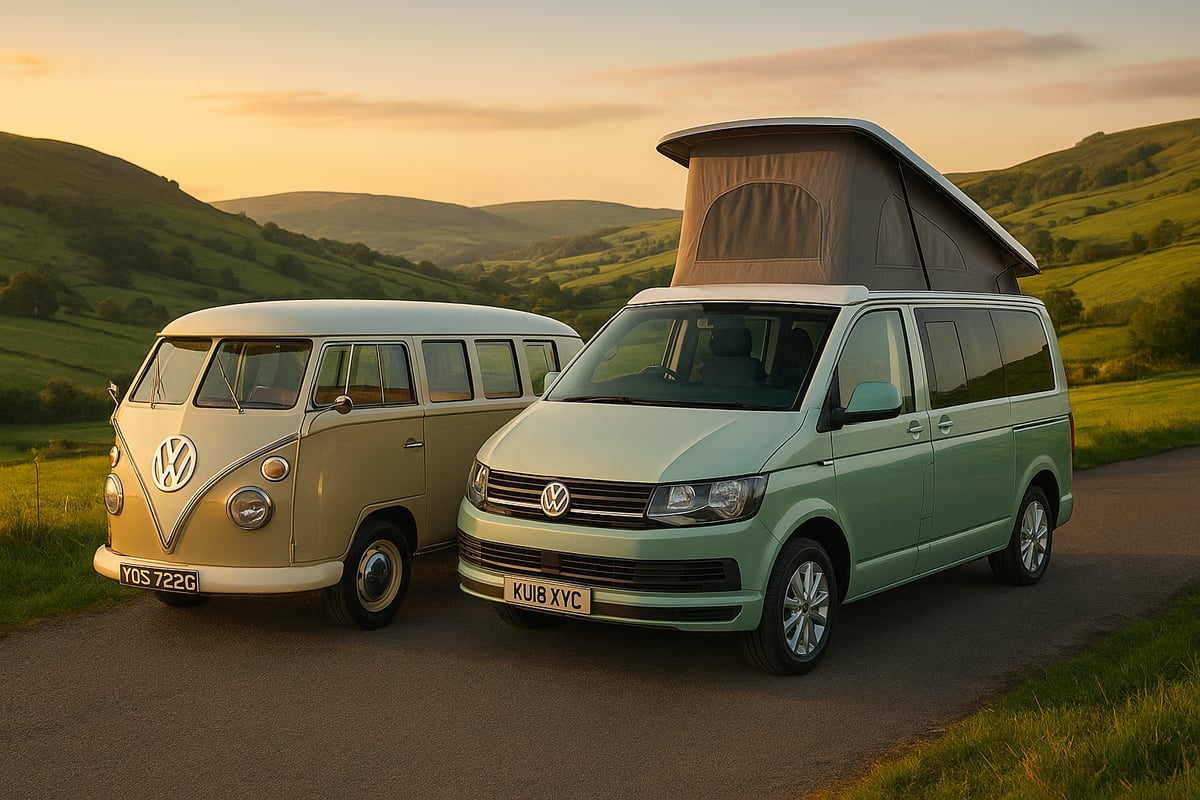
Embarking on a vw camper van rental uk journey in 2025 offers unparalleled freedom, comfort, and adventure. Whether you are a first-timer or a seasoned road tripper, these seven essential tips will help you make the most of your experience. From securing the best deals to packing smartly and staying safe, let us guide you to a memorable and stress-free adventure.
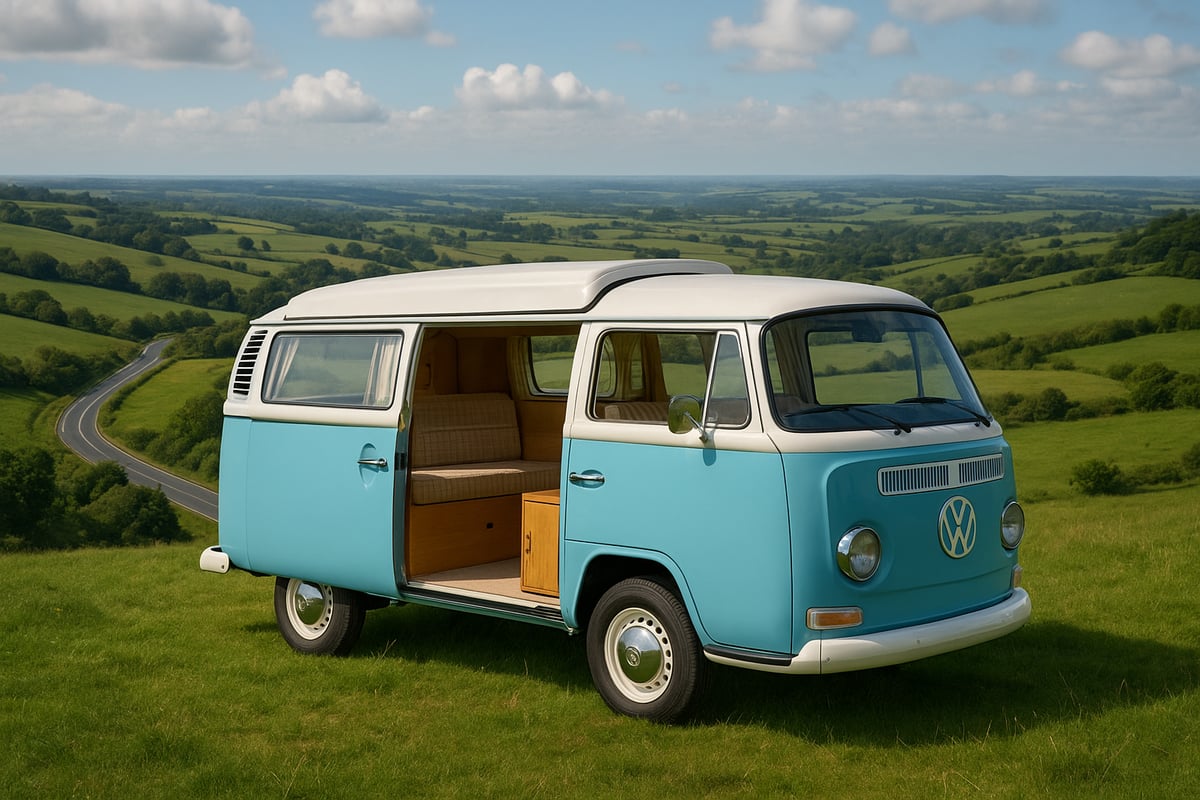
The popularity of vw camper van rental uk is set to soar in 2025, with more people choosing road trips for their holidays. Demand peaks during summer, school holidays, and major festivals, making early booking crucial.
Reserving your VW camper van 6–12 months in advance gives you the widest selection and the best value. Rental companies often offer early bird discounts and promotional rates for those who plan ahead. For example, Glastonbury and the Goodwood Festival of Speed are just two events that cause a spike in vw camper van rental uk demand, so flexibility with your dates can help you secure better rates.
Monitor rental sites for price drops and special deals. Some companies offer email alerts for flash sales. Booking early also means you are more likely to secure your preferred van model and essential extras, such as bike racks or awnings.
If you are able to travel outside the peak season, you will find more availability and lower prices. Off-peak months such as May, September, and October offer milder weather and fewer crowds, making your vw camper van rental uk experience even more enjoyable.
Selecting the perfect vw camper van rental uk depends on your group size, travel style, and destination. Start by considering who is joining you: are you travelling solo, as a couple, with family, or friends? Vans come in various sizes, from cosy 2-berth models to spacious 6-berth options.
Think about the features you need. Do you want a built-in kitchen, extra storage, or a comfortable sleeping area? Some vans are pet-friendly or have improved accessibility. Classic VW models offer retro charm, while modern versions deliver greater comfort and efficiency.
For example, a couple seeking a romantic escape along the Cornish coast might choose a compact 2-berth, while a family exploring the Lake District could benefit from a larger van with bunk beds and extra amenities. Always try to view or test drive the van before finalising your vw camper van rental uk booking if possible.
Matching the van to your trip goals ensures you travel comfortably and make the most of your adventure.
Before confirming your vw camper van rental uk, carefully review the rental agreement. Standard contracts cover insurance, but you should check what is included and what is not. Look for details on collision damage waivers, liability, and excess charges.
Most rentals require a security deposit, which is refunded if the van is returned in good condition. Be clear on the timeline for refunds. Check for mileage limits, fuel policies, and cleaning fees, as exceeding these can result in unexpected costs.
Additional driver policies and age restrictions often apply. For example, some companies only allow drivers over 25 or charge extra for young drivers. Reading the fine print can save you from surprise expenses later in your vw camper van rental uk journey.
Real-world stories highlight the importance of understanding terms. One traveller faced a hefty cleaning fee due to a missed clause, while another avoided excess charges by clarifying insurance details in advance.
A successful vw camper van rental uk trip relies on thoughtful route planning. The UK offers iconic routes like Scotland’s NC500, the Lake District circuit, Cornwall’s coastal roads, and Welsh national parks. Each promises unforgettable scenery and unique experiences.
Pre-booking campsites is essential during peak months. Many VW-friendly sites fill quickly, especially near popular attractions. Use route planning apps to map out your journey and discover hidden gems. Resources such as the NC500 Scotland Route Guide provide detailed insights for planning legendary trips.
Wild camping is possible in some areas, but always check local regulations and respect private land. Legal overnight parking varies across the UK, so plan accordingly. Factor in driving times, rest stops, and scenic detours to keep your adventure flexible and enjoyable.
Example itineraries: a 7-day trip might include Edinburgh, Inverness, and the Isle of Skye, while a 14-day journey could cover the Yorkshire Dales, Peak District, and Devon.
Packing for a vw camper van rental uk adventure means making the most of limited space. Opt for soft bags instead of hard suitcases, and prioritise essentials: bedding, cookware, chargers, and first aid kits. Consider the season—pack lightweight gear for summer, but include thermal layers and extra blankets for winter.
Plan meals in advance and bring compact food storage solutions. A small cool box or fridge is invaluable for keeping food fresh. Entertainment, such as books, games, or tablets, helps on rainy days or long drives.
Safety is paramount. Include a torch, spare batteries, and an emergency kit with basic tools. Experienced vw camper van rental uk travellers recommend creating a checklist to avoid forgetting key items. For a comprehensive guide, visit Essential Motorhome and Campervan Tips.
Driving a vw camper van rental uk requires attention to safety and comfort. Familiarise yourself with the van’s size and handling before setting off. Drive cautiously on narrow country lanes and always adhere to speed limits.
Security is vital. Lock doors and windows when parked, and use additional security devices if provided. Store valuables out of sight. For comfort, make the most of heating, ventilation, and blackout blinds, especially in colder or brighter months.
Manage waste and water responsibly. Use designated disposal points at campsites. For hygiene, many sites offer showers and toilets, but portable options are useful for remote areas.
Breakdowns are rare but possible. Keep insurance and roadside assistance details handy. Statistics show that with proper checks, most issues are minor and quickly resolved. If you need support, contact your vw camper van rental uk provider promptly.
A vw camper van rental uk journey is the perfect way to immerse yourself in local culture and scenery. Support independent shops, markets, and attractions along your route. This not only enriches your experience but also benefits the communities you visit.
Embrace sustainable travel. Use reusable products, minimise waste, and choose eco-friendly campsite facilities. Engage with the VW camper van community at meet-ups or events for inspiration and advice.
Seek out hidden destinations, from quiet beaches in Northumberland to the rolling hills of Yorkshire. Practise responsible tourism by respecting nature and leaving no trace. Many travellers find that their most memorable moments come from spontaneous discoveries and connecting with locals.
Your vw camper van rental uk adventure is what you make it—plan well, travel responsibly, and create memories that last a lifetime.
Choosing the right VW camper van rental UK provider can make all the difference to your adventure. With so many companies offering a range of vehicles and services, it pays to look closely at what sets each one apart.
Key factors to evaluate include reputation, customer reviews, and the variety of available VW camper vans. Consider the age and maintenance of the fleet, as newer vans often mean more reliable journeys. Look for transparent pricing and flexible rental terms, as these can add significant value to your trip.
Customer support is another crucial area. Reliable companies offer clear contracts, accessible help during your journey, and straightforward booking processes. Extras such as included kitchen kits, bedding, or unique packages for festivals can also enhance the overall experience.
| Company | Fleet Variety | Customer Rating | Extras Included | Flexibility |
|---|---|---|---|---|
| The Camper Co | 2–6 berth, classic & modern | 4.8/5 | Bedding, kitchen, local tips | High |
| National Provider | Mainly 4–6 berth, modern | 4.5/5 | Standard kit, some add-ons | Medium |
| Local Provider | 2–4 berth, mixed age | 4.6/5 | Personal service, local deals | High |
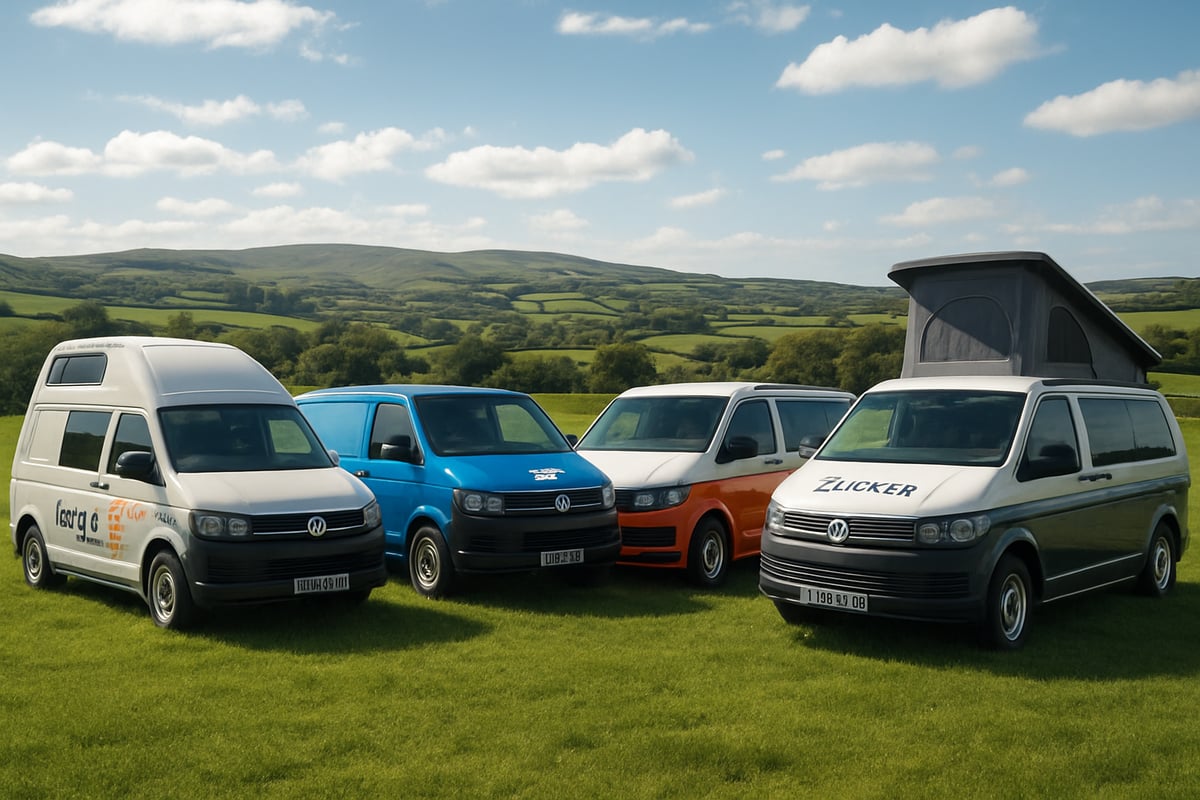
The Camper Co stands out among VW camper van rental UK businesses, thanks to its diverse fleet and outstanding customer service. Based in Leeds, it offers 2 to 6 berth vans equipped with modern amenities and classic charm. Flexible rental terms and local expertise make it a favourite for families, couples, and solo travellers.
With a high customer rating of 4.8/5, The Camper Co is known for being adventure-ready, whether you are exploring Yorkshire or travelling farther afield. Their team provides detailed guidance, and their service includes extras like kitchen equipment, bedding, and even local travel tips. For further inspiration and planning, see the Guide to Yorkshire Campervan Adventures.
Their transparent booking process and commitment to customer satisfaction make them an excellent choice for your next trip.
National VW camper van rental UK companies typically offer a larger fleet, often with newer vehicles and wider pick-up locations. These providers may be ideal for longer journeys or if you need a specific model. However, their pricing may be less flexible, and personal customer service can sometimes be lacking.
Local companies, on the other hand, tend to focus on personal touches, unique packages, and in-depth local knowledge. They often provide more flexible pick-up and drop-off times, as well as tailored advice for exploring specific regions. Some specialise in festival packages, pet-friendly options, or luxury upgrades.
Price comparison for 2025 shows that national providers may charge £900–£1,200 per week in peak summer for a 4-berth van, while local companies offer similar models for £750–£1,000, often with more extras included. Early booking is essential as demand for VW camper van rental UK is expected to remain high, especially for popular regional events and school holidays.
Customer stories highlight the importance of aftercare and support. Many travellers report that local providers are more responsive in case of breakdowns or last-minute changes. Always review customer ratings and read recent testimonials before making your decision.
Ultimately, the best VW camper van rental UK company for you will depend on your travel style, preferred route, and the level of support you require. Take time to compare, ask questions, and book early to secure your ideal adventure.
Planning your first vw camper van rental uk adventure can raise many questions. To help you feel confident and prepared, here are answers to the most frequently asked questions for 2025.
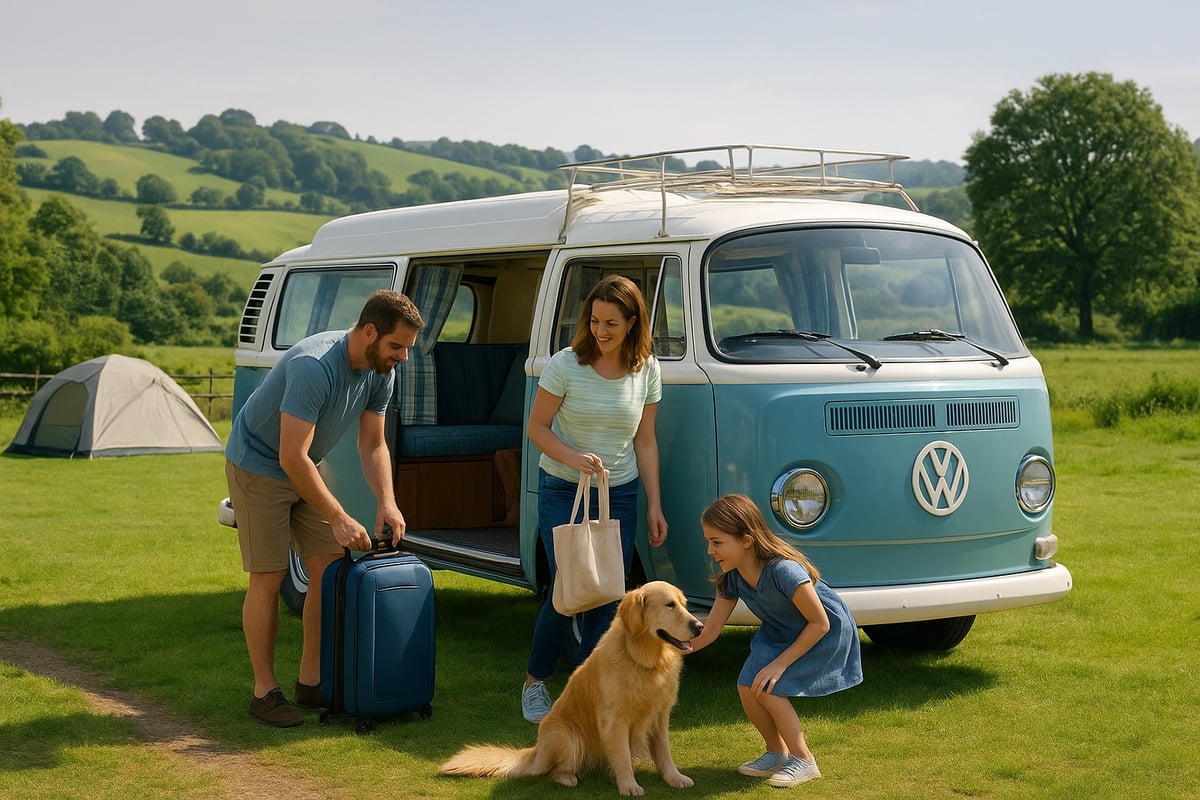
What licence do I need and how old must I be to hire a VW camper van?
Most vw camper van rental uk providers require you to hold a full UK or EU driving licence for at least one or two years. The minimum age is usually 23 to 25, and some companies may charge a higher deposit for younger drivers. Always check requirements before booking, especially if you are a non-UK resident.
What should I do if the van breaks down or I have an accident?
All reputable vw camper van rental uk companies include breakdown cover in your hire package. If you experience a breakdown, contact the roadside assistance number provided by your rental company. In the event of an accident, inform the police if necessary, gather evidence, and notify your rental provider immediately.
How do insurance and claims work for VW camper van rentals?
Standard insurance is usually included, covering basic third-party liability and damage to the van. However, excess charges can apply, and not all scenarios are covered. For a deeper understanding, review the details in your policy and consider exploring campervan hire insurance options in the UK for additional peace of mind.
What is required when returning the camper van?
Before returning your vw camper van rental uk, ensure it is cleaned inside, refuelled to the agreed level, and all inventory is accounted for. Complete any checklists provided by the rental company to avoid extra charges. Take photos as evidence of the van’s condition on return.
Can I bring pets or travel with children?
Many vw camper van rental uk providers offer pet-friendly options, but you must confirm this when booking. Child seats are not always included, so bring your own if needed. Always secure pets and children safely during travel, following UK road safety laws.
Can I take my VW camper van to Europe?
Some rental companies allow travel to Europe, but you must inform them in advance. You may need extra insurance, documentation, or equipment (such as warning triangles and breathalysers for France). Check requirements for each country and ensure your vw camper van rental uk meets all legal standards.
What are the best tips for a smooth VW camper van hire experience in 2025?
Book your vw camper van rental uk early, read the terms carefully, and pack efficiently. Plan your route and campsite stops in advance, and always keep emergency contacts handy. Staying flexible and open to adventure will help you enjoy a memorable road trip.
With these essential tips in mind, you’re ready to turn your 2025 UK road trip dreams into reality. Whether you’re travelling solo, planning a romantic getaway, or setting off on a family adventure, choosing the right VW camper van makes all the difference. The Camper Co’s diverse fleet and local expertise ensure you’ll have the comfort, flexibility, and peace of mind to explore Yorkshire and beyond at your own pace. If you’re ready to experience the freedom of the open road and create lasting memories, why not take the next step and Book Now?
Imagine the open road, breathtaking landscapes, and the freedom to explore hidden gems at your own pace. In 2025, the rv united kingdom experience is booming, inviting travellers to discover new adventures in comfort and style.
This guide is your trusted companion for planning every detail of your journey. Whether you are new to RV travel or a seasoned explorer, you will find up-to-date advice, practical tips, and expert insights for a seamless trip.
Inside, you will learn how to choose the right vehicle, understand legal requirements, discover top destinations, budget smartly, and make the most of every mile. Start your rv united kingdom adventure today with this essential guide.
Embarking on an rv united kingdom adventure opens a world of flexibility and discovery. Whether you are new to the concept or a seasoned explorer, understanding the key differences, trends, and considerations is essential for a successful journey. This section breaks down the essentials, helping you make informed decisions for your upcoming trip.
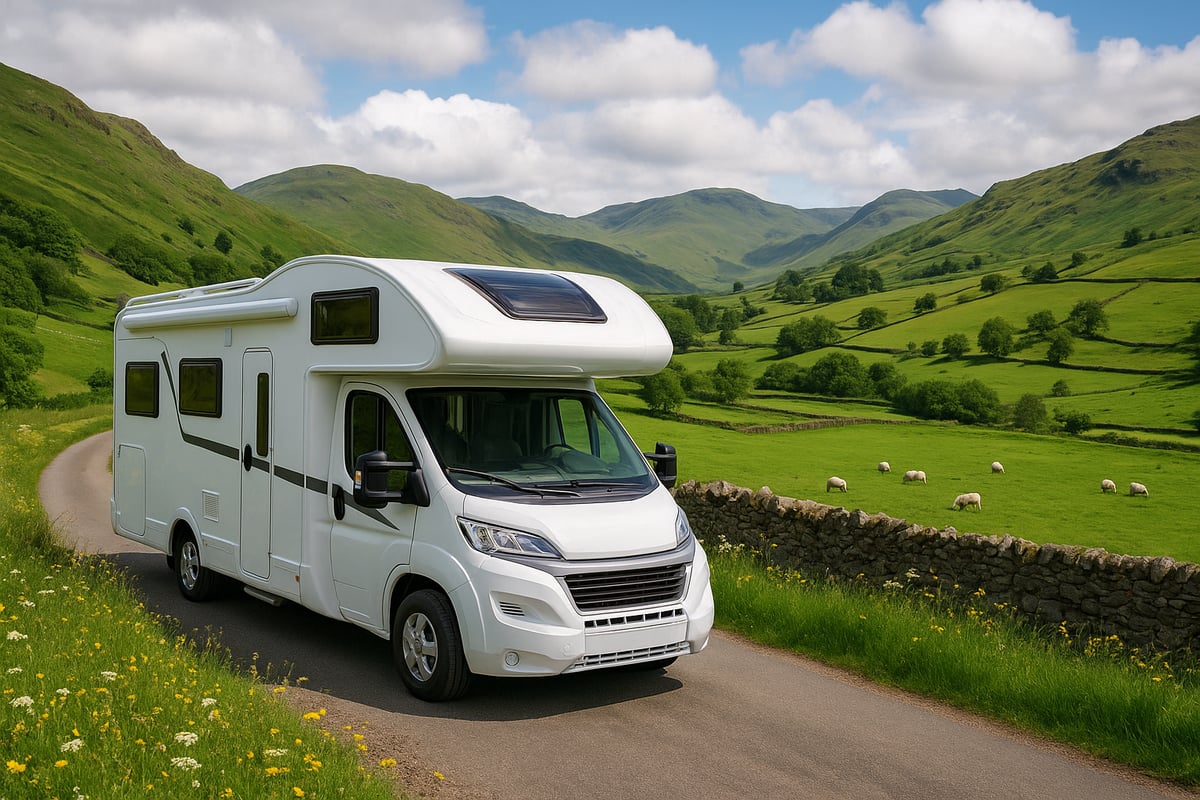
In the rv united kingdom market, terminology can be confusing. In the UK, "RV" is a broad term, often used interchangeably with "motorhome" or "campervan," but there are distinctions. An RV usually refers to a larger, fully equipped vehicle. Motorhomes are often mid-sized and suitable for families, while campervans are more compact and agile.
Sizes vary, from 2-berth models perfect for couples to spacious 6-berth options for larger groups. Choosing the right type impacts comfort and flexibility. According to recent UK Caravanning Market Size & Outlook data, demand for all types is rising, making selection even more important.
The rv united kingdom sector has experienced rapid growth, especially after the pandemic. More families, couples, and retirees are choosing domestic RV holidays for safety and flexibility. Staycations have driven up demand for both rentals and ownership.
This trend has significantly boosted rural economies and UK tourism. Statistics show a notable increase in bookings, with people seeking new ways to explore the countryside. RV travel is considered safer, as it allows you to control your environment and avoid crowded spaces, making it an attractive option for many.
Travelling by rv united kingdom vehicle offers unmatched flexibility. You can set your own itinerary and change plans as you go. RVs provide access to remote and scenic locations that are often inaccessible to traditional tourists.
Cost savings are another advantage, especially when compared to hotels and package holidays. For families and groups, RVs offer comfort and convenience, with all essentials on board. Imagine exploring the Scottish Highlands off-grid, enjoying both nature and home comforts, all in one trip.
While the rv united kingdom lifestyle is appealing, it does come with challenges. Parking can be limited, especially in popular areas or cities, and campsite availability may fluctuate during peak seasons. Navigating narrow country roads and complying with city restrictions requires attention.
Legal requirements, including insurance and proper documentation, are vital. Environmental responsibility is also a key consideration, with travellers encouraged to follow best practices. Balancing adventure with thorough planning ensures a smoother, more enjoyable journey.
An rv united kingdom holiday suits a wide range of travellers. Families benefit from shared experiences and flexibility. Couples enjoy privacy and romantic getaways. Solo travellers find independence, while pet owners can bring their furry companions.
Accessibility has improved, making RVs suitable for those with mobility needs. Multi-generational trips and festival-goers find RVs particularly convenient. Matching your travel style to the right RV holiday ensures a rewarding and memorable experience.
Embarking on an rv united kingdom journey requires thoughtful planning and organisation. Whether you are new to RV travel or a seasoned explorer, following a structured approach ensures a smooth and memorable adventure. Here is your step-by-step guide to preparing for an unforgettable UK road trip.
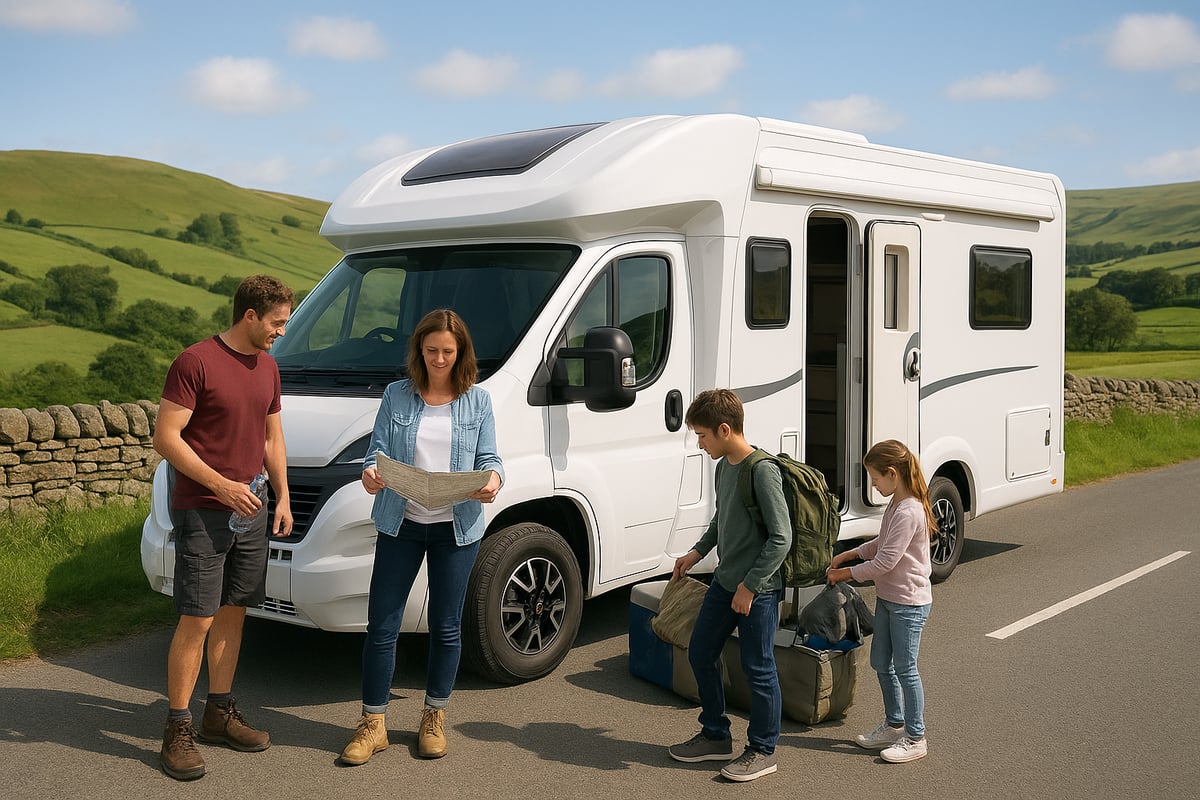
Budgeting is essential for any rv united kingdom holiday. Start by listing your expected costs: RV hire or purchase, fuel, campsite fees, food, and attractions. Costs can fluctuate depending on the season, with summer and school holidays being more expensive than quieter months.
| Expense | 1 Week (avg) | 2 Weeks (avg) |
|---|---|---|
| RV Hire | £700 | £1,200 |
| Campsites | £150 | £300 |
| Fuel | £130 | £260 |
| Food | £120 | £240 |
| Attractions | £100 | £200 |
Booking early often secures better rates and availability. Consider off-peak travel for further savings and a more relaxed experience. Setting a clear timeline and budget will help you make the most of your rv united kingdom journey.
Selecting the ideal vehicle is vital for comfort and convenience during your rv united kingdom travels. Think about your group size, driving confidence, and desired amenities. Couples may prefer a compact 2-berth campervan, while families or groups benefit from a spacious 6-berth motorhome.
Rental is popular for short-term trips, offering flexibility and access to the latest models. Ownership suits frequent travellers, though it comes with ongoing maintenance. In 2024, the most sought-after RVs are 4-berth models, balancing space and manoeuvrability.
List your must-have features, such as a fixed bed, kitchen, or onboard bathroom, to ensure your rv united kingdom trip is comfortable and enjoyable.
Before setting out on your rv united kingdom adventure, organise all necessary documents. UK residents need a valid driving licence, while international visitors should check if an International Driving Permit is required. Insurance is a must, covering both the vehicle and its contents.
Here is a quick compliance checklist:
Review excess levels and ensure your insurance covers all drivers. Staying legally compliant keeps your rv united kingdom holiday safe and stress-free.
Mapping out your route is a highlight of any rv united kingdom road trip. The UK boasts stunning regions, from the Lake District to Cornwall and Scotland. Use RV-friendly GPS systems or dedicated route planners to avoid restricted roads, low bridges, and congestion zones.
Plan a blend of scenic drives and must-see attractions. For inspiration, consider a 10-day itinerary through South West England, combining coastal landscapes and historic towns. Allow flexibility for detours and spontaneous stops, which are a hallmark of rv united kingdom travel.
A well-planned route maximises your enjoyment and minimises travel hiccups.
Securing campsites early is crucial, particularly during peak periods for rv united kingdom travellers. Choose between caravan parks, wild camping (where permitted), and unique options like pub stopovers. Booking platforms such as The Camping and Caravanning Club and Brit Stops offer a range of choices for every style.
Family-friendly sites often feature play areas, utilities, and scenic pitches. On average, UK campsite costs range from £20 to £40 per night, with amenities like electric hook-ups and showers. Always check site rules and availability in advance for a smooth rv united kingdom experience.
Preparation is key for a comfortable rv united kingdom adventure. Create a checklist of essentials: bedding, kitchenware, safety kit, first aid, and weatherproof clothing. UK weather can be unpredictable, so pack waterproofs, layers, and heating options.
Stock up on food and water, using local markets and supermarkets along your route. Before departure, inspect the vehicle’s tyres, fluid levels, and appliances. For more practical advice on preparing for your rv united kingdom trip, see these Essential Camper Van and Motorhome Tips.
A thorough preparation routine ensures you are ready for anything the open road brings.
The rv united kingdom experience is defined by its diverse landscapes and vibrant regional cultures. From tranquil lakes to dramatic coastlines, each region offers unique opportunities for adventure and relaxation. Whether you are a first-time explorer or a seasoned traveller, these top destinations and routes will help you plan an unforgettable journey.
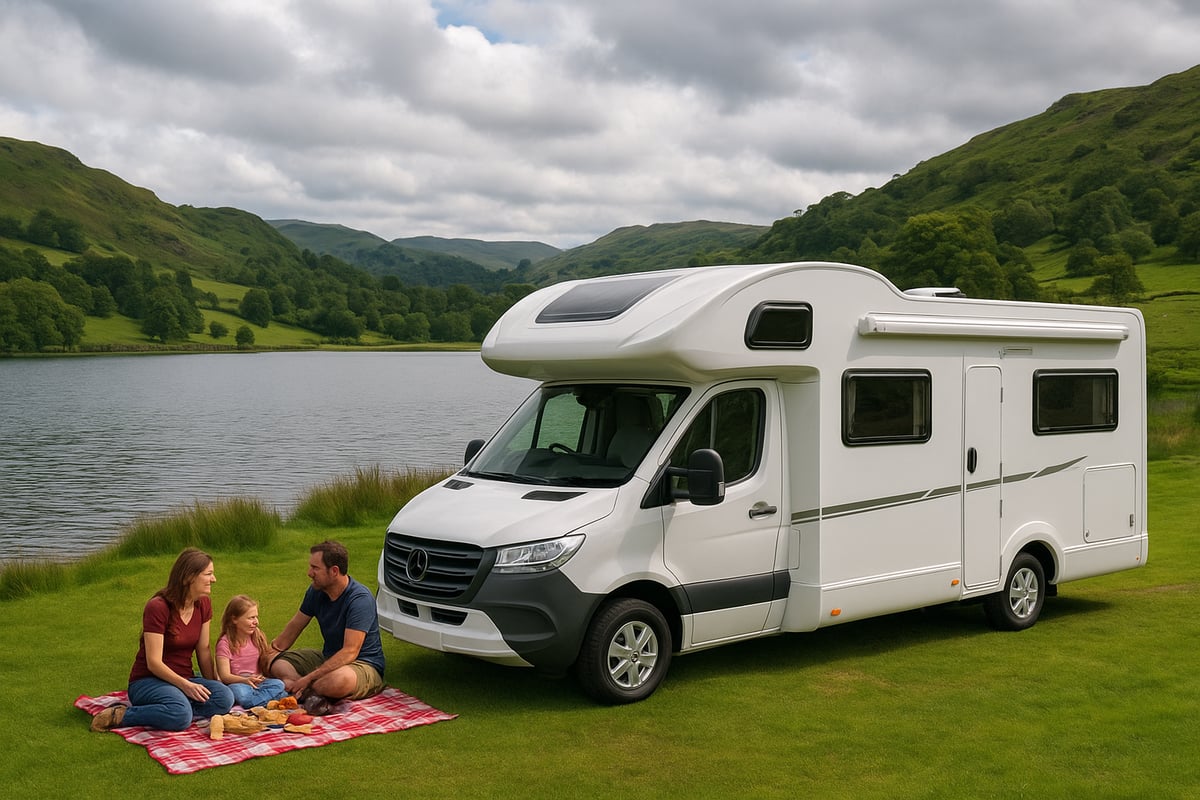
The Lake District is a must-visit for anyone embarking on an rv united kingdom adventure. Renowned for its breathtaking landscapes, it features winding scenic drives, dramatic fells, and tranquil lakes. Popular routes include Windermere to Keswick, where you can enjoy lakeside campsites and world-class hiking.
Visitor numbers continue to rise, with over 19 million annual visits and increasing demand for RV-friendly sites. Campsite availability is strong, especially outside peak summer. For a deeper dive into this region, see Exploring the Lake District by Motorhome.
Scotland’s North Coast 500 (NC500) is widely regarded as the ultimate rv united kingdom road trip. This 516-mile circular route takes travellers through rugged coastal scenery, historic castles, and picturesque villages. Highlights include the dramatic cliffs at Duncansby Head and the white sands of Achmelvich Beach.
Wild camping is permitted in many areas, giving you flexibility to enjoy remote viewpoints. Timing your visit for late spring or early autumn helps you avoid crowds and unpredictable weather. The NC500 is ideal for those seeking both adventure and serenity.
Wales offers a unique rv united kingdom experience, especially in Snowdonia National Park. This region features towering mountains, medieval castles, and winding coastal roads. The Llanberis Pass is a favourite among RV drivers for its dramatic scenery and accessible campsites.
Recent tourism statistics show a rise in overnight stays, reflecting the growing appeal of Wales for RV holidays. Top-rated campsites are found near Betws-y-Coed and Beddgelert, offering excellent facilities and easy access to walking trails.
South West England is famed for its coastal drives, surfing beaches, and historic harbour towns, making it a highlight of any rv united kingdom itinerary. The route from St Ives to Land’s End showcases dramatic cliffs, sandy coves, and charming fishing villages.
Navigating Cornwall’s narrow lanes requires patience and a smaller RV can be advantageous. Campsites range from basic farm pitches to luxury holiday parks, many with sea views. Booking ahead is recommended, especially in summer.
The Cotswolds is the heart of rural England, perfect for a relaxed rv united kingdom journey. Expect rolling hills, honey-coloured villages, and local food markets. Top stops include Broadway Tower, Bourton-on-the-Water, and Chipping Campden.
Seasonal events such as food festivals and open gardens add extra charm. Central England also provides easy access to Stratford-upon-Avon and Warwick Castle, enriching your cultural itinerary.
Those looking to escape the crowds will find hidden treasures across the rv united kingdom. The Yorkshire Dales offer dramatic valleys and quiet campsites, while the Norfolk Broads provide tranquil waterways for boating and birdwatching.
The Northumberland Coast, a designated Area of Outstanding Natural Beauty, is perfect for stargazing. Off-the-beaten-path routes are gaining popularity, with more travellers seeking authentic, peaceful experiences.
Driving an rv united kingdom requires awareness of specific rules and restrictions. Many cities, including London, have low emission zones and congestion charges, which may affect your route. Height and weight limits are common on rural bridges and village streets.
Plan ahead using RV-friendly GPS and route planners to avoid restricted areas. Always check local regulations before entering city centres or national parks. Staying informed ensures a smooth and enjoyable journey.
Setting off for an rv united kingdom adventure is an exciting prospect, but preparation is key to making your journey smooth and memorable. The following practical tips cover essential aspects of RV travel, from driving etiquette to campsite conduct and everything in between. Whether you are a first-timer or a seasoned traveller, these guidelines help you navigate the open road with confidence.
Driving an rv united kingdom vehicle requires adapting to local road rules, especially if you are used to driving abroad. The UK’s roads can be narrow, winding, and often feature roundabouts.
According to recent data, common causes of RV accidents include misjudging vehicle size, fatigue, and unfamiliarity with local traffic patterns. For more region-specific driving insights, explore the Motorhome and Campervan Adventures Yorkshire guide. Staying alert and planning rest stops will help you enjoy your rv united kingdom adventure safely.
Respectful behaviour is essential when staying at campsites across the rv united kingdom landscape. Following etiquette ensures a positive experience for everyone and protects the natural environment.
The rv united kingdom sector significantly supports local economies, with the UK Caravan and Camping Alliance’s 2024 ‘Pitching the Value’ report highlighting a £7.2bn contribution. By following leave-no-trace principles, you ensure these destinations remain beautiful and welcoming for years to come.
Understanding how to manage your rv united kingdom utilities is crucial for both comfort and compliance. Most campsites offer electric hook-ups, fresh water taps, and waste disposal points.
Monitoring your rv united kingdom’s average water and power usage helps prevent shortages during your trip. A pre-departure checklist, including utility checks, will keep your journey running smoothly.
Reliable connectivity is important for navigation, communication, and even remote work during your rv united kingdom holiday. The UK has good mobile coverage, though some rural areas remain patchy.
If you plan to work remotely or stay in touch with loved ones, test your devices before departure. Staying connected ensures your rv united kingdom adventure remains both safe and convenient.
The British weather is famously changeable, so packing and preparing your rv united kingdom for all conditions is essential. Rain, wind, and chilly nights can be frequent even in summer.
Winterising your rv united kingdom may involve insulating pipes and carrying de-icer. Regularly check weather forecasts and adjust your plans to stay safe and comfortable in any season.
Eating well is a highlight of any rv united kingdom holiday. With a compact kitchen at your disposal, you can enjoy homemade meals or sample local fare.
Preparing easy meals like stews or pasta dishes ensures everyone stays well-fed, even on busy travel days. Sharing meals together is part of what makes an rv united kingdom trip truly special.
Exploring the rv united kingdom landscape begins with choosing a trusted local partner. The Camper Co, based in Leeds and West Yorkshire, stands out for its deep expertise and commitment to quality. Whether you are a first-time adventurer or a seasoned road tripper, their tailored approach ensures a smooth start to your journey.
The Camper Co offers a versatile fleet, catering to all types of rv united kingdom travellers. You can select from cosy 2-berth campervans, perfect for couples or solo explorers, up to spacious 6-berth motorhomes designed for families or groups. Every vehicle is modern, well-maintained, and equipped to handle the demands of UK road trips.
Each model provides generous storage, comfortable sleeping arrangements, and essential amenities to maximise your comfort.
Every rv united kingdom adventure is unique, but certain comforts should never be compromised. The Camper Co’s vehicles include:
These features ensure you are ready for any weather the UK might offer, from sunny afternoons to brisk evenings.
Planning your rv united kingdom journey is easier with expert support. The Camper Co provides personalised route planning, drawing on their knowledge of Yorkshire and the wider UK. If you are considering iconic routes such as the North Coast 500 in Scotland, their team can assist with tailored advice, and you can find more details in their NC500 Scotland Road Trip Guide.
Flexible pick-up and return options make travel stress-free, even for last-minute bookings. Their location in Leeds is ideal for those starting their adventure in Northern England.
Imagine a family setting off from Leeds in a 6-berth motorhome, bound for the Yorkshire Dales. With space for everyone and all the comforts of home, they explore rolling hills, historic villages, and scenic campsites. The Camper Co’s local expertise ensures their route is both stunning and practical, avoiding narrow lanes and highlighting hidden gems.
With an impressive 4.8/5 star rating, The Camper Co is praised for vehicle cleanliness, comfort, and friendly support. Customers appreciate the attention to detail and the peace of mind that comes with thorough pre-trip guidance.
Booking your rv united kingdom adventure is simple. Use their online reservation system for transparent pricing and quick confirmation. The Camper Co’s team is always on hand to answer questions, making them the go-to choice for exploring Yorkshire and beyond.
If you are ready to start your rv united kingdom journey, The Camper Co combines a personal touch with professional standards, ensuring your trip is as memorable as the destinations you visit.
As you start planning your 2025 RV journey across the United Kingdom, it’s clear that comfort, flexibility, and local expertise make all the difference—especially when exploring stunning spots like Yorkshire or venturing further afield. If you’re ready to experience the freedom of the open road with a vehicle tailored to your needs, why not begin your adventure with a trusted local partner? With The Camper Co’s diverse fleet and supportive team, you can travel with confidence, knowing every detail is covered. Let’s make your dream UK road trip a reality—Book Now and get your adventure underway.
Van life is rapidly shaping the way people travel in 2025, offering adventurous souls the freedom to explore the open road in style and comfort. If you are searching for truly unique experiences, converted vans for rent are changing the face of road trips and adventure holidays.
Unlike standard motorhomes, these bespoke vehicles deliver personalised layouts, clever amenities, and a sense of individuality. In this article, discover seven inspiring ideas for converted vans for rent that promise flexibility, adventure, and unforgettable journeys. Ready to see what sets these vans apart? Let us guide you through the best options for your next getaway.
Dreaming of a holiday that combines flexibility, adventure, and sustainability? The surge in popularity for converted vans for rent is reshaping the way travellers explore the UK and beyond in 2025. With custom features, modern comforts, and the freedom to roam, these innovative vehicles offer a unique alternative to traditional travel. Let us explore what is driving this movement and why a converted van might be the perfect fit for your next journey.
The van life movement has taken centre stage in travel trends for 2025. Driven by a growing appetite for flexible, self-contained holidays, more people are seeking converted vans for rent to enjoy safe and independent trips. Eco-friendly travel is no longer niche, with sustainable choices and off-grid living becoming mainstream. The rise of digital nomadism means remote work from the road is more accessible than ever. According to Van life popularity statistics, this lifestyle continues to expand, appealing to all ages and backgrounds.
Choosing converted vans for rent offers distinct advantages over standard campervans and motorhomes. Customisation is a key factor, with unique layouts, creative décor, and tailored amenities to reflect each traveller's style. These vans are typically more compact, making them easier to drive and park in both urban and rural settings. Lower fuel consumption and a smaller carbon footprint make them an environmentally conscious option for adventure-seekers. The result is a more personal, efficient, and sustainable travel experience.
When searching for converted vans for rent, prioritise clever space optimisation and modern technology. Look for fold-out beds, modular kitchens, and hidden storage to maximise comfort in a small footprint. Onboard tech such as solar panels, Wi-Fi boosters, and smart climate control can enhance your journey. Safety and comfort upgrades like insulation, security systems, and high-quality mattresses are also essential. These features collectively ensure your trip is both enjoyable and hassle-free.
Converted vans for rent are ideal for a wide range of travellers. Adventure seekers, couples, small families, and solo explorers will all appreciate the freedom these vehicles offer. Festival goers and eco-conscious explorers benefit from their self-sufficiency and minimal environmental impact. Popular routes for converted van adventures include the Yorkshire Dales, Scottish Highlands, and the Lake District. Whether you are planning a weekend break or an extended road trip, these vans cater to every kind of modern traveller.
Looking for the ultimate adventure on wheels in 2025? Exploring the UK and Europe in a converted van offers unparalleled freedom, flexibility, and a truly unique travel experience. Whether you are a solo explorer, a family seeking memorable holidays, or a couple chasing the open road, the market for converted vans for rent is brimming with innovative options. Below, discover seven exceptional providers redefining van life, each offering distinct features and tailored experiences for every type of traveller.
The Camper Co stands out as a top provider of converted vans for rent, especially for those looking to explore Yorkshire and beyond in style. Their fleet features 2 to 6 berth options, all boasting luxury interiors, fully equipped kitchens, and powerful heating systems. Each van is meticulously maintained, ensuring a spotless and comfortable journey.
Pricing is based on custom quotes, which means you get a tailored package that fits your specific needs. Reviews consistently praise their competitive rates and the transparent booking process. The Leeds-based pick-up location is ideal for accessing some of the UK's most scenic routes. If you want inspiration for your trip, check out their Best campervan road trips Yorkshire guide for must-see destinations.
What sets The Camper Co apart in the world of converted vans for rent is their flexibility. They offer short and long-term rentals, personalised advice, and are known for their outstanding customer service. The core audience includes families, couples, solo adventurers, and groups wanting to discover West Yorkshire and further afield.
Pros:
Cons:
For example, a family might choose a 4-berth model for a week-long tour of the Yorkshire Dales, enjoying the comfort and convenience that only top-tier converted vans for rent can offer.
Quirky Campers elevates the concept of converted vans for rent by showcasing a fleet of owner-built, one-of-a-kind vehicles. Their pricing starts from £70 per night, varying by van type and season. Each van features bespoke interiors, solar panels, composting toilets, and many are pet-friendly, making them perfect for eco-conscious travellers.
The range of converted vans for rent through Quirky Campers is truly diverse, with options scattered across the UK. Their sustainability focus is a major draw; travellers can enjoy off-grid adventures with the peace of mind that comes from low-impact travel. The company’s nationwide presence means you can pick up a van close to your chosen route.
Pros:
Cons:
Imagine embarking on an off-grid journey through the Scottish Highlands in a solar-powered van. These converted vans for rent provide not only mobility but also a deep sense of connection to nature and craftsmanship, making each trip special.
Bunk Campers offers the iconic VW California T6.1 among their converted vans for rent, with prices from £95 per night and discounts for longer hires. These compact yet spacious vans are equipped with pop-top roofs, modern tech, and practical layouts, making them easy to drive and perfect for both city and countryside adventures.
Their converted vans for rent appeal especially to couples and solo travellers wanting a blend of comfort and agility. With nationwide depots, flexible pick-up and drop-off, and a reputation for reliability, Bunk Campers is a go-to for those seeking modern adventure vehicles.
Pros:
Cons:
For example, a London to Cornwall road trip in a VW California lets you experience the coast with comfort and ease. These converted vans for rent are designed for those who want to make the most of every mile, without sacrificing convenience or style.
Spaceships Rentals is renowned for offering practical and affordable converted vans for rent, with nightly rates starting from £60. Their Voyager vans include large beds, a fridge, dual battery systems, and unlimited mileage, ensuring maximum comfort for families or groups.
The converted vans for rent from Spaceships Rentals are tailored for families, groups of friends, and festival goers. Each hire includes 24/7 roadside assistance and the option for pet-friendly travel, making them a worry-free choice for longer adventures.
Pros:
Cons:
Picture a group of friends heading to a Lake District music festival, all their gear packed into a Voyager van. These converted vans for rent are about making memories together, providing the essentials without breaking the bank.
Indie Campers offers a broad fleet of converted vans for rent, including models like the Nomad and Atlas, starting from £75 per night. Their dynamic pricing model adapts to season and location, ensuring a range of options for every budget. Vans feature modern amenities, and one-way rentals are available across Europe.
These converted vans for rent are perfect for international travellers, digital nomads, and long-term explorers. The online trip planner, multilingual support, and wide availability make Indie Campers a flexible choice for ambitious journeys.
Pros:
Cons:
Consider a month-long trip from London to Lisbon, with stops at historic cities and remote nature spots. Indie Campers' converted vans for rent make epic European road trips accessible, comfortable, and entirely customisable.
Go Boony revolutionises converted vans for rent by connecting travellers directly with private owners. Prices start from just £55 per night, with a wide variety of vehicles, from classic VW campers to modern Sprinters. Each listing is unique, offering direct communication with owners for local tips and personal touches.
This peer-to-peer model for converted vans for rent is especially appealing to adventurous couples, retro enthusiasts, and budget-conscious travellers. Insurance is included, and the selection is truly diverse, although support may be more limited than with large brands.
Pros:
Cons:
Imagine taking a classic VW T2 along the Jurassic Coast, windows down, sea breeze in your hair. These converted vans for rent offer nostalgia and individuality with every mile.
Just Go specialises in premium converted vans for rent, with luxury models starting from £100 per night. Their spacious layouts feature full bathrooms, large storage compartments, and high-end interiors, ideal for extended trips and those who value comfort above all.
These converted vans for rent are perfect for families, luxury seekers, and long-term travellers who want the newest fleet in the UK. A comprehensive handover ensures even first-time renters feel confident on the road, and nationwide service means support is always close by.
Pros:
Cons:
A three-week family journey along the Scottish NC500 is made effortless with Just Go. Their converted vans for rent turn the open road into a home away from home, providing unrivalled space and convenience.
Selecting the perfect converted vans for rent involves more than picking a stylish vehicle. Your choice should reflect your travel style, comfort requirements, and the unique experiences you seek in 2025. With so many options available, making a thoughtful decision ensures your adventure is as seamless as possible.
Start by identifying what you want from your converted vans for rent experience. Are you travelling solo, as a couple, or with family and friends? Consider the length of your trip and which amenities are must-haves, such as a full kitchen, bathroom, or pet-friendly features.
Ask yourself if comfort or budget is your top priority. Accessibility is also crucial if anyone in your group has mobility needs. Think about where you plan to travel, from bustling cities to remote national parks, as this will influence the van’s size and features.
A careful assessment of your needs will make it easier to shortlist converted vans for rent that align with your adventure goals.
When comparing converted vans for rent, pay close attention to the features and inclusions each option provides. Look for essentials like kitchen facilities, bathroom access, and comfortable sleeping arrangements. Modern vans often include tech upgrades such as Wi-Fi boosters or solar panels, which can enhance your travel experience.
It’s wise to review what’s included in the rental, such as insurance, unlimited mileage, and roadside assistance. Some providers offer flexible booking and cancellation policies, which can be invaluable if your plans change unexpectedly.
To help you compare, consider making a table that lists the features most important to you. This approach will clarify the differences between various converted vans for rent and ensure you choose the right one for your trip.
Booking the right converted vans for rent requires a strategic approach, especially during peak travel seasons. Secure your preferred van early to access the best rates and widest selection. Always read reviews to gauge the reliability of both the vehicle and the rental company.
Check the reputation of the provider and consider extras like kitchen packs, bedding, or outdoor gear. Making use of available trip planning resources can streamline your journey. For more detailed advice, explore this Campervan hire tips and getaway guide, which covers essential steps and insider knowledge for a smooth experience.
By staying informed and proactive, you can ensure your converted vans for rent adventure is both enjoyable and stress-free.
Hiring converted vans for rent in 2025 offers a unique sense of freedom, but a little preparation goes a long way. Pack only multi-purpose gear and essentials, as space is limited. Before setting off, familiarise yourself with how your van’s electrics, water, and heating systems work.
Plan your route in advance, considering campsite access and parking for your chosen destinations. Stay connected and safe by downloading offline maps and checking mobile coverage along your journey. For more detailed advice, consult the Ultimate guide to campervan adventures to make the most of your trip.
Take time to enjoy local attractions and embrace the slower pace of van life. With the right approach, your converted van adventure will be both memorable and stress-free.
After exploring these seven innovative converted vans, you can see how van life in 2025 offers something truly special—freedom, flexibility, and comfort for every type of traveller. Whether you are planning a family adventure through Yorkshire, a romantic escape, or a solo road trip, choosing the right van makes all the difference. If you are ready to turn inspiration into reality and discover the perfect fit for your next journey, take the next step and Book Now to secure your ideal campervan with confidence. Your unforgettable adventure awaits.
The owner motorhome rental market is surging in popularity as we head into 2025. More people are choosing road trips and staycations, making private motorhome hire a highly attractive source of income.
Whether you are new to the scene or have years of experience, owner motorhome rental offers a flexible way to earn extra money while your vehicle is not in use. You also get to help travellers create memorable holidays across the UK.
This comprehensive guide will walk you through every step, from legal requirements and setup to maximising profits and delivering five-star guest experiences. Get ready to unlock the full potential of your motorhome and achieve success in this growing sector.
The owner motorhome rental landscape is changing rapidly in the UK, offering new opportunities for vehicle owners and holidaymakers alike. Whether you are considering renting out your own motorhome for the first time or looking to optimise your existing rental setup, understanding the fundamentals is crucial for success.
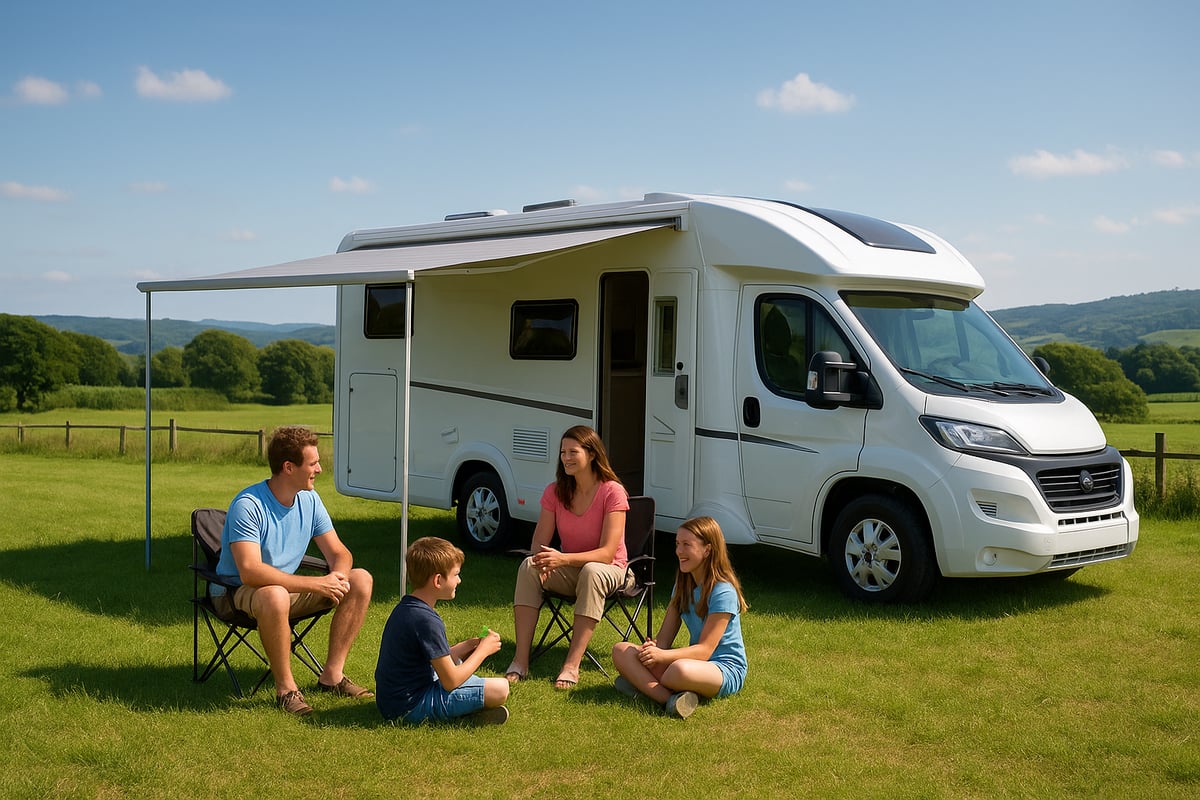
Owner motorhome rental refers to private individuals renting out their own vehicles directly to holidaymakers, rather than through large, traditional hire companies. This model puts owners in control, allowing them to list their motorhomes on peer-to-peer platforms or manage bookings independently. The process typically involves three parties: the owner, the renter, and sometimes an intermediary platform. For example, a Yorkshire-based couple successfully hired out their family motorhome every summer, maximising income and asset use. The UK private motorhome hire sector has grown by 18 percent between 2022 and 2024, according to UK motorhome rental market statistics 2024, showing the increasing appeal of this approach.
The year 2025 presents a unique opportunity for owner motorhome rental due to shifting travel habits. Post-pandemic, there is a strong trend towards staycations and domestic adventures, with more people seeking flexible, self-contained holidays. Bookings for private hires have surged, and average rental rates in 2024 were up by 12 percent compared to previous years. Many travellers are also motivated by environmental concerns and the desire to save on traditional accommodation costs. This landscape creates the perfect environment for owners to generate income and for renters to enjoy memorable, sustainable road trips.
Not all vehicles are equally suited to owner motorhome rental. The most common types include campervans, coachbuilt models, A-class motorhomes, and panel van conversions. Each type serves different audiences: campervans are popular with couples and solo travellers, while coachbuilt and A-class models suit families or groups. Panel van conversions offer flexibility for varied needs. The table below summarises their main features:
| Type | Best For | Pros | Cons | Popular UK Model |
|---|---|---|---|---|
| Campervan | Couples, solo | Easy to drive, compact | Less space | VW Transporter |
| Coachbuilt | Families | Spacious, versatile layout | Bulkier, higher fuel | Swift Escape |
| A-class | Luxury seekers | Premium features, large | Expensive, complex | Auto-Trail Grandeur |
| Panel Van | Adventurers | Stealthy, flexible | Limited amenities | Ford Transit Custom |
Compliance is a cornerstone of owner motorhome rental. Owners must adhere to UK legal requirements, including valid MOT certificates, DVLA registration, and up-to-date documentation. Insurance is vital: policies should cover self-drive hire, public liability, and breakdown assistance. Leading providers like Comfort Insurance and InsureMy offer tailored packages, with average annual premiums ranging from £800 to £1,200 depending on vehicle type and cover level. Ensuring the right insurance protects both owners and renters, providing peace of mind throughout every hire.
Operating a successful owner motorhome rental business involves several ongoing responsibilities. Owners should carry out regular safety checks, routine maintenance, and thorough cleaning before and after each rental. It is essential to prepare for handovers and returns, ensuring all equipment is in working order and that the vehicle meets hygiene standards. Managing deposits, addressing damages, and resolving disputes promptly helps maintain a positive reputation. Clearly defined rental terms, including mileage limits, pet policies, and cancellation rules, protect both parties and set expectations from the outset.
Preparing your vehicle for owner motorhome rental is crucial to stand out in a competitive market. A well-presented, safe, and fully equipped motorhome not only attracts more bookings but also ensures guests have a memorable experience. Let us explore the essential steps to maximise your rental success.
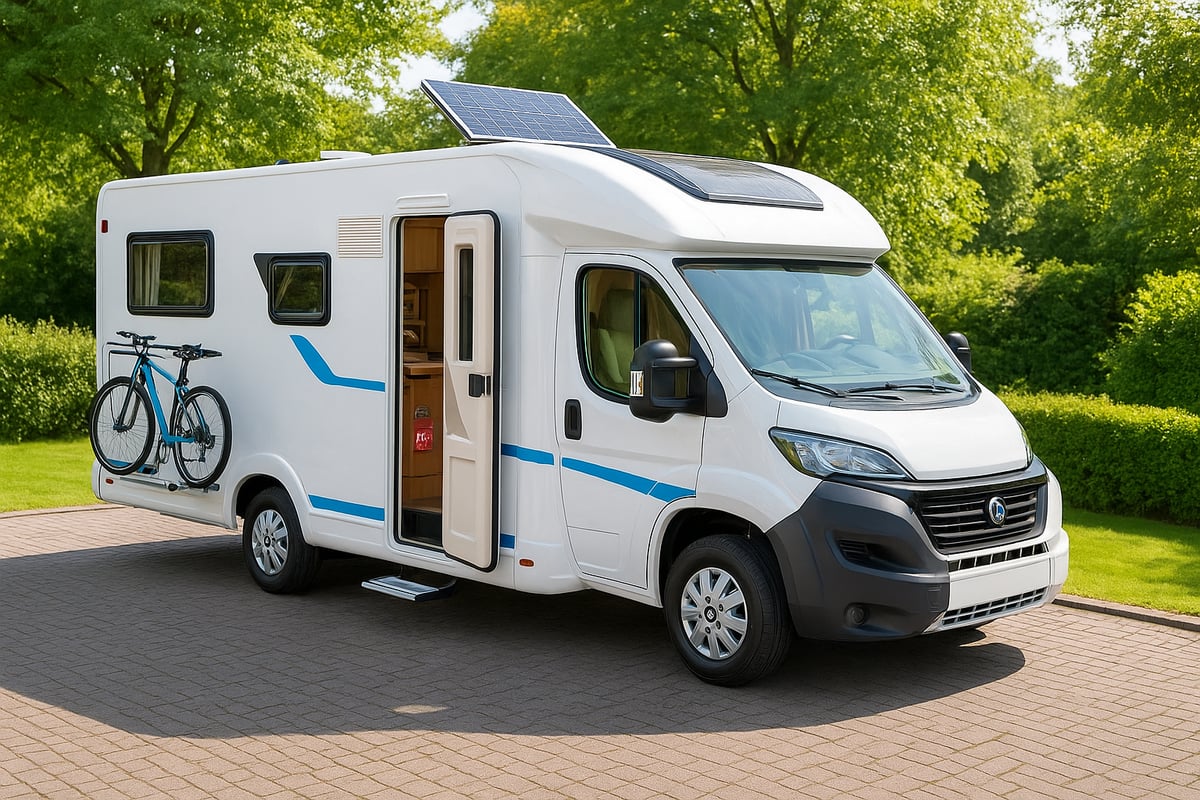
Consistent cleaning routines are the foundation of successful owner motorhome rental. Before and after each hire, thoroughly clean all surfaces, paying attention to high-touch areas such as handles and controls.
Regular maintenance is equally vital. Follow a strict schedule for servicing, oil checks, and tyre inspections. Ensure your vehicle has a valid MOT and that all records are up to date.
Safety equipment is non-negotiable. Every owner motorhome rental should be equipped with a working fire extinguisher, first aid kit, smoke and carbon monoxide detectors, and gas safety certificates. Rental platforms often recommend minimum hygiene standards, such as using approved cleaning products and documenting each clean for guest reassurance.
Amenities can make or break your owner motorhome rental success. Stock the basics: fresh bedding, kitchenware, a kettle, and a reliable heating system. A strong power supply, such as a leisure battery or hook-up cable, is essential for guest comfort.
Consider upgrades like solar panels, bike racks, WiFi, and smart TVs to appeal to a wider audience. Premium features often allow you to command higher rental rates and attract repeat customers. For more practical advice on preparing your vehicle, see these tips for motorhome and campervan owners.
Compare basic and premium-equipped motorhomes in your listing to highlight the added value you offer. Guests are more likely to book when they see thoughtful extras included.
High-quality images are key to a successful owner motorhome rental listing. Use natural light to capture both interior and exterior shots, focusing on unique features and space layout.
Write honest, engaging descriptions that highlight what sets your vehicle apart. Mention upgrades, special amenities, and any recent refurbishments. Use bullet points for clarity.
Pricing is another crucial factor. Research similar listings in your area and adjust rates seasonally to remain competitive. Professional photos can increase bookings by up to 30 percent, making them a worthwhile investment for your owner motorhome rental.
A comprehensive welcome pack can elevate your owner motorhome rental experience. Include a printed or digital user manual with clear instructions for appliances, heating, and entertainment systems.
Add a list of local attractions, recommended campsites, and emergency contacts. This not only boosts guest confidence but also reduces the number of support queries during their trip.
Sample welcome pack contents might include a map, torch, first aid kit, and a checklist for departure. Well-prepared information helps guests feel at home and ready for adventure in your owner motorhome rental.
Clear house rules protect both you and your guests throughout the owner motorhome rental process. Specify policies on smoking, pets, mileage, and festival use. Communicate security deposit requirements and how damages or disputes will be handled.
Outline cancellation and refund policies, ensuring they align with platform guidelines or your own terms. Many leading rental platforms provide templates to help you draft effective policies.
Transparency is key. Setting expectations upfront minimises misunderstandings and creates a smoother owner motorhome rental experience for everyone involved.
A streamlined handover is essential for owner motorhome rental efficiency. Begin with a pre-rental inspection, using a detailed inventory checklist to document the vehicle's condition and contents.
Conduct a thorough walkthrough, either in person or virtually, to demonstrate features and answer questions. Collect necessary documentation, signatures, and record mileage and fuel levels.
Efficient handover timelines matter, especially for busy owners. Aim to complete the process within 30 to 45 minutes, ensuring both parties feel confident and informed about the owner motorhome rental arrangement.
Mastering listing, marketing, and booking management is essential for owner motorhome rental success. With the right approach, you can maximise occupancy, ensure smooth guest experiences, and build a strong reputation in the competitive 2025 market.
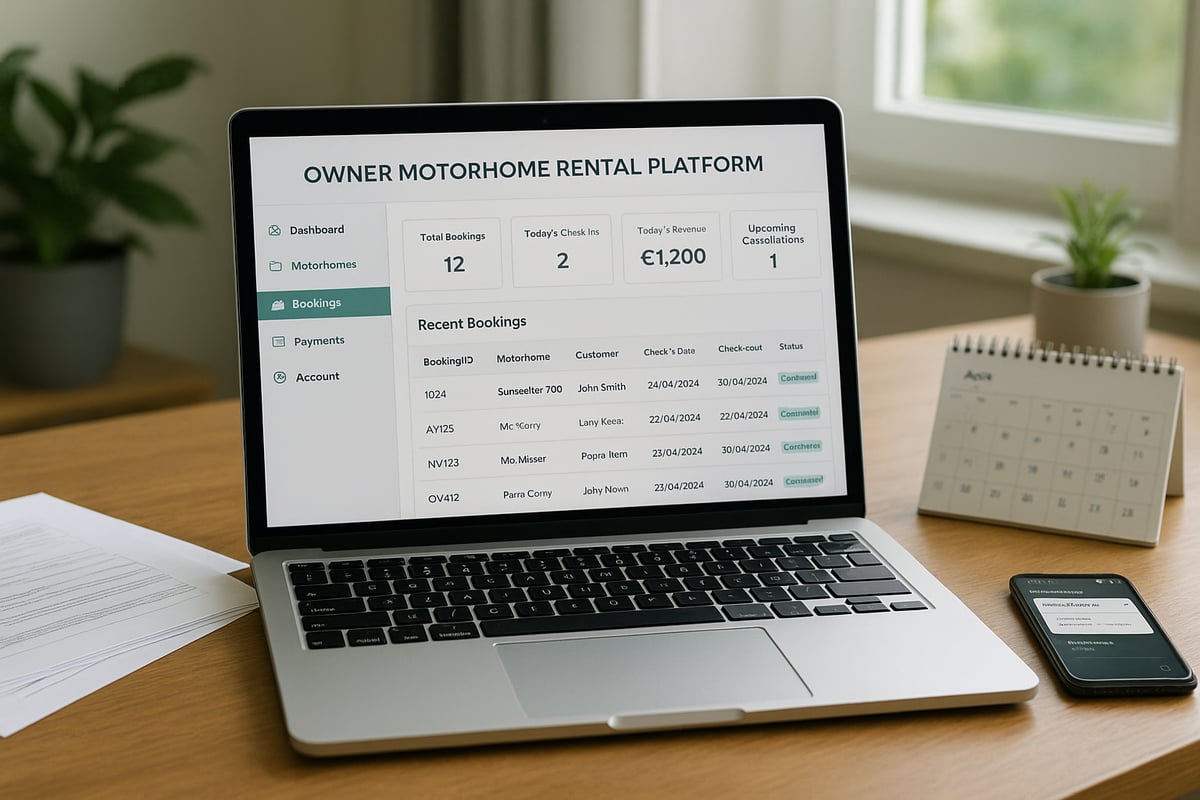
Selecting the ideal platform is a critical first step for any owner motorhome rental venture. In the UK, peer-to-peer sites like Camplify, Goboony, and Outdoorsy offer user-friendly interfaces, built-in insurance, and marketing support. Direct rentals may save on fees but require more effort in marketing and compliance. Consider platform fees, insurance options, and customer support when making your choice. For those focusing on regional bookings, Motorhome hire in Yorkshire provides a tailored solution for local owners. Compare your options using the table below:
| Platform | Fees | Insurance Provided | Customer Support | Local Focus |
|---|---|---|---|---|
| Camplify | 10-15% | Yes | 24/7 | No |
| Goboony | 13-17% | Yes | Email/Phone | No |
| Outdoorsy | 15-20% | Yes | 24/7 | No |
| The Camper Co | Varies | Yes | Local | Yes (Yorkshire) |
Whether you choose a national or local platform, ensure it aligns with your owner motorhome rental goals.
A compelling listing is vital for attracting bookings in the owner motorhome rental market. Start with a catchy, descriptive title and highlight unique selling points such as pet-friendly policies, eco-friendly features, or luxury amenities. Use high-quality photos to showcase your motorhome’s best aspects, both inside and out. List all key features and amenities in bullet points for clarity. Encourage renters to leave reviews and testimonials, as listings with over ten positive reviews tend to rank higher in search results. With a well-crafted listing, your owner motorhome rental stands out in a crowded marketplace.
Optimising your pricing strategy is crucial for owner motorhome rental profitability. Analyse local competitor rates and adjust your prices seasonally to reflect peak and off-peak demand. Consider dynamic pricing tools or manually update rates during holidays and school breaks. Offer discounts for longer hires or early bird bookings to increase appeal. For example, in 2024, average daily rates for a 2-berth owner motorhome rental ranged from £80-£120, while 6-berth models commanded £120-£180. Regularly reviewing and updating your pricing ensures your owner motorhome rental remains competitive and booked throughout the year.
Prompt, professional communication is essential when managing enquiries for your owner motorhome rental. Respond quickly to booking requests and provide clear, concise information. Screen potential renters by verifying age, driving licence validity, and prior experience. Set minimum rental durations and lead times to protect your schedule. Use a pre-rental communication template to streamline responses and ensure consistency. By thoroughly vetting renters, you minimise risks and build trust, leading to repeat bookings and positive reviews for your owner motorhome rental business.
Efficient calendar management is key to a successful owner motorhome rental operation. Sync your availability across all platforms to avoid double bookings and block out dates for personal use or maintenance. Utilise digital calendar tools that send automated reminders and confirmations to both you and your renters. Regularly update your listings to reflect accurate availability, preventing scheduling conflicts. Recommended tools include Google Calendar integrations and platform-specific booking calendars, which help keep your owner motorhome rental business running smoothly and stress-free.
Secure, transparent payment handling is vital in owner motorhome rental. Use trusted payment gateways provided by rental platforms to protect both parties. Set clear security deposit amounts and communicate refund timelines upfront. Many platforms offer payment protection policies and handle disputes on your behalf. Always return deposits promptly after satisfactory vehicle inspection and address any issues professionally. By implementing robust payment and refund processes, you establish credibility and foster long-term success in the owner motorhome rental market.
Creating an exceptional guest experience is the cornerstone of a successful owner motorhome rental. Satisfied guests are more likely to leave glowing reviews, recommend your service, and return for future adventures. By focusing on clear communication, seamless handovers, and responsive support, you can ensure every journey is memorable for all the right reasons.
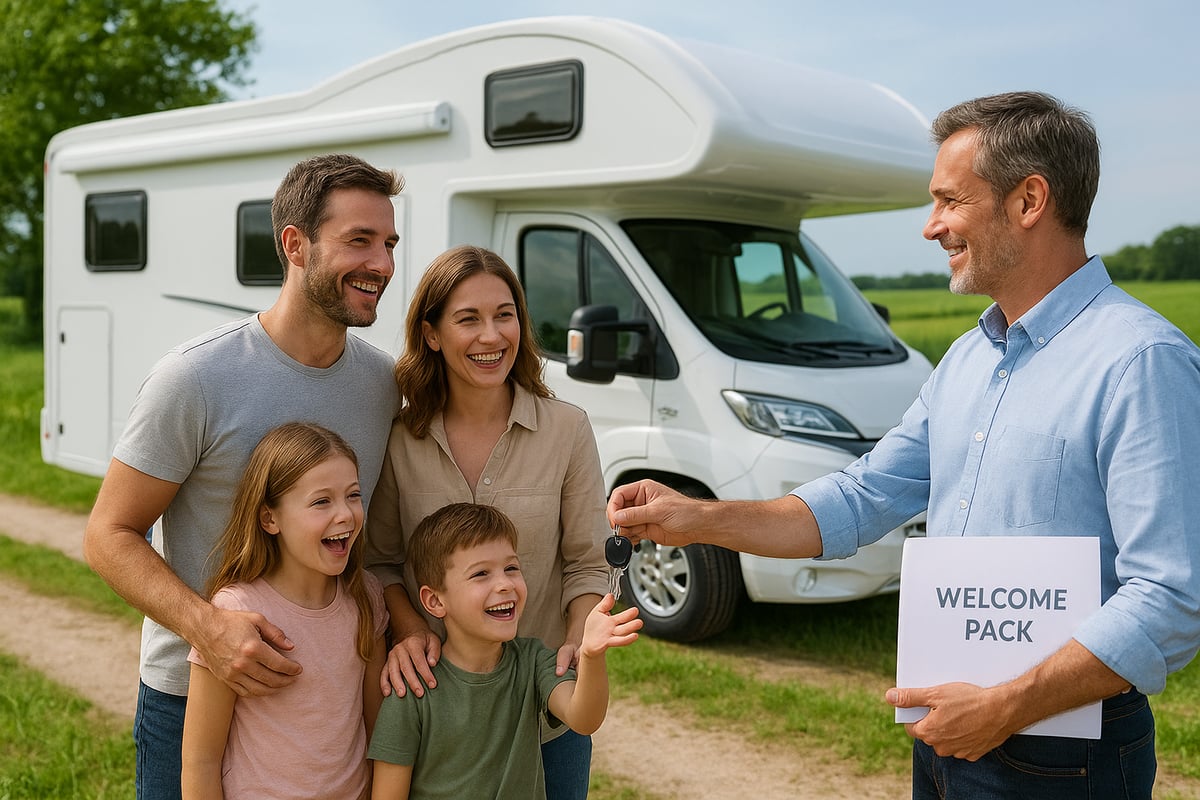
Effective communication sets the stage for a five-star owner motorhome rental. Begin by sending a personalised welcome message as soon as a booking is confirmed. Share essential details such as pick-up times, vehicle location, and documentation requirements. Providing a packing list and route suggestions helps guests prepare confidently for their trip.
Remind guests about important safety checks and answer any queries promptly. Confirm all arrangements a few days before departure to avoid last-minute confusion. A clear pre-trip checklist for owners ensures nothing is overlooked and reassures guests that their owner motorhome rental experience will be smooth and enjoyable.
A smooth handover is vital for a positive owner motorhome rental experience. Greet guests warmly and offer a comprehensive walkthrough of the motorhome, demonstrating how to operate key systems such as heating, water, and appliances. Give guests time to ask questions and address any concerns.
Provide a printed or digital user guide for reference during the journey. Share local recommendations, such as nearby campsites and attractions, to enrich their trip. Personal touches, like a welcome pack with snacks or maps, go a long way in making guests feel valued. This attention to detail enhances satisfaction and encourages positive feedback for your owner motorhome rental.
Ongoing support during the trip is essential for every owner motorhome rental. Make yourself available via phone or messaging for any emergencies or troubleshooting needs. Anticipate common queries by supplying backup resources, such as user manuals, instructional videos, or helpline numbers.
Respond promptly to guest questions and offer practical solutions in case of minor issues. Encourage guests to contact you with any concerns rather than waiting until the trip ends. Effective support not only prevents small problems from escalating but also demonstrates your commitment to delivering an outstanding owner motorhome rental experience.
Gathering feedback is a crucial part of improving your owner motorhome rental business. After each trip, send a friendly request for a review and ask for constructive feedback. Address any negative comments professionally and use them to refine your service.
Positive reviews enhance your listing’s visibility and credibility, attracting more bookings. Consider offering a small incentive, such as a discount on future rentals, to encourage guests to leave a review. Consistent, high-quality feedback is a powerful tool for building trust and ensuring your owner motorhome rental stands out in a competitive market.
An efficient return process leaves a lasting impression on guests and protects your owner motorhome rental asset. On return, conduct a thorough inspection using an inventory checklist. Check for damages, confirm fuel and mileage, and ensure all equipment is present.
Promptly return security deposits if no issues are found. If damage or disputes arise, refer to your agreed Motorhome hire terms and conditions for clear guidance. Prepare the motorhome for the next renter with a detailed cleaning checklist, maintaining high standards for every owner motorhome rental.
Careful planning is essential for maximising profit with owner motorhome rental. Understanding the real costs, anticipating challenges, and staying ahead of trends will help you build a sustainable, profitable business. With the right strategies, you can enjoy consistent bookings and avoid common pitfalls in this dynamic market.
To succeed with owner motorhome rental, it is vital to calculate your true operating costs and potential profits. Start by tracking expenses such as insurance, maintenance, platform fees, cleaning, and depreciation. Consider tax obligations and allowable deductions.
Here’s a simple breakdown:
| Expense Type | Typical Annual Cost (GBP) |
|---|---|
| Insurance | £700–£1,200 |
| Maintenance/MOT | £400–£800 |
| Platform Fees | 10–20% of rental income |
| Cleaning/Supplies | £200–£400 |
| Depreciation | £1,000–£2,000 |
Average annual earnings for UK owners in 2024 ranged between £7,000 and £13,000, depending on location and seasonality. Always set realistic income expectations and keep detailed records to support your owner motorhome rental business.
Owner motorhome rental comes with its share of obstacles, but proactive management minimises risks. Common issues include cancellations, no-shows, and late returns. Wear and tear or unexpected repairs can impact your bottom line.
Prepare by:
Experienced owners recommend maintaining open communication and using rental platforms’ dispute resolution services when necessary. These measures help protect your owner motorhome rental and maintain guest satisfaction.
To keep your owner motorhome rental profitable throughout the year, diversify your marketing efforts. Promote winter lets, festival rentals, and corporate bookings during the off-season. Collaborate with local tourism boards and travel agents to reach new audiences.
Offering unique experiences, such as themed trips or guided tours, can set your listing apart. Proactive owners who adapt to changing demand often achieve higher year-round occupancy rates. Flexibility and creativity are key to maximising bookings and sustaining profit in the owner motorhome rental market.
Staying compliant with UK legal and tax requirements is crucial for every owner motorhome rental venture. Register your income with HMRC and understand VAT thresholds if your turnover approaches £90,000. Keep accurate records of all income and expenses, and consult an accountant for tailored tax-saving advice.
For a comprehensive overview of legal requirements and insurance, visit UK motorhome legal requirements and insurance. This resource covers everything from necessary documentation to self-drive hire policies, ensuring your owner motorhome rental remains fully compliant.
The owner motorhome rental landscape is set for transformation in 2025. Electric motorhomes are gaining traction, and digital handover solutions are streamlining guest experiences. Enhanced insurance products are emerging, addressing the unique needs of private rentals.
Guests increasingly expect sustainability, reliable connectivity, and luxury amenities. Staying informed about regulatory changes and adopting new technologies will help you future-proof your owner motorhome rental. Adapting to trends early positions you for continued success as the market evolves.
Yorkshire stands out as one of the UK’s premier destinations for owner motorhome rental. With its blend of natural beauty, historic towns, and accessible campsites, the region offers endless opportunities for both owners and holidaymakers. Understanding the local landscape and tapping into Yorkshire’s unique appeal can significantly elevate your rental success.
Yorkshire offers an exceptional backdrop for owner motorhome rental. Travellers flock to explore its three national parks—Yorkshire Dales, North York Moors, and Peak District—each brimming with scenic drives and idyllic campsites. The dramatic coastline, from Whitby to Scarborough, is perfect for seaside getaways.
Historic towns such as York, Harrogate, and Skipton attract culture lovers, while routes like the Settle to Carlisle drive remain perennial favourites. In 2024, routes through the Dales and Moors saw the highest demand, with family-friendly campsites near Malham Cove and Robin Hood’s Bay topping booking charts. Whether your renters seek adventure or tranquillity, Yorkshire delivers memorable journeys.
For those considering owner motorhome rental in Yorkshire, understanding local dynamics is essential. Seasonal demand peaks during school holidays and local events, such as the Tour de Yorkshire, so adjusting your availability and pricing can optimise occupancy.
Local councils enforce specific parking and overnight stay regulations, especially in national parks and urban areas. Engage with tourism initiatives to stay updated on new rules and opportunities. Recent statistics show Yorkshire-based rentals achieved above-average occupancy rates in 2024, reflecting the region’s popularity. Owners who adapt to local trends often see higher returns and fewer operational issues.
Partnering with established providers like The Camper Co offers a competitive edge in the owner motorhome rental market. Based in Leeds and West Yorkshire, The Camper Co boasts a diverse fleet, from compact 2-berth campervans to spacious 6-berth motorhomes, catering to families, couples, and solo explorers.
Comprehensive amenities, flexible hire options, and a reputation for outstanding customer service set The Camper Co apart. Convenient pick-up and drop-off in Leeds attracts both local and visiting renters. Owners benefit from local expertise, streamlined support, and access to a loyal customer base, making partnership an excellent way to maximise bookings and guest satisfaction.
Success in owner motorhome rental is amplified by strong local connections. Networking with other owners through regional forums, online groups, and social media communities fosters knowledge sharing and support. Collaborating with nearby campsites and event organisers opens new avenues for bookings, while participating in local meetups and shows enhances visibility.
Yorkshire hosts several annual events for motorhome enthusiasts, creating opportunities for partnerships and learning. Building relationships within the community not only strengthens your business but also enriches the overall experience for you and your renters.
Showcasing Yorkshire’s attractions within your owner motorhome rental listing can set you apart. Offer personalised travel itineraries, highlight must-see sights, and suggest local dining or activity providers to add value for your guests. Many successful owners partner with local guides or outdoor adventure companies to provide unique experiences.
Listings featuring curated local experiences consistently see higher booking rates. For more inspiration on how to enrich your rental offering, explore this detailed guide on Exploring Yorkshire in a motorhome, which covers top routes and attractions you can share with your guests.
Whether you’re just starting out or looking to take your owner motorhome rental to the next level in 2025, the opportunities ahead are exciting. By following this guide and learning from real Yorkshire experiences, you’ll be well prepared to maximise your earnings, provide a fantastic guest experience, and enjoy the freedom that comes with sharing your vehicle. If you’re ready to explore what’s possible with a trusted local partner and a range of comfortable, well equipped motorhomes, I invite you to take the next step and Book Now to see how The Camper Co can help you make the most of your journey.
Imagine waking up to a fresh landscape each morning, your front door opening onto new adventures with a two berth motorhome. This essential guide is designed to help you confidently choose, use, and enjoy a two berth motorhome in 2025, whether you are a first-time explorer or a seasoned traveller. You will discover everything you need to make informed decisions, from key features and smart layout tips to the latest models, buying versus hiring advice, top accessories, and practical travel insights. Embrace the freedom, comfort, and excitement of life on the road, and let this handbook inspire your next journey.
Imagine stepping into a compact, thoughtfully designed vehicle that offers you all the essentials for comfortable travel. A two berth motorhome is the perfect option for those who value mobility without sacrificing convenience. In this section, you will discover what defines a two berth motorhome, who it best suits, its main advantages, common layouts, and the amenities you can expect.
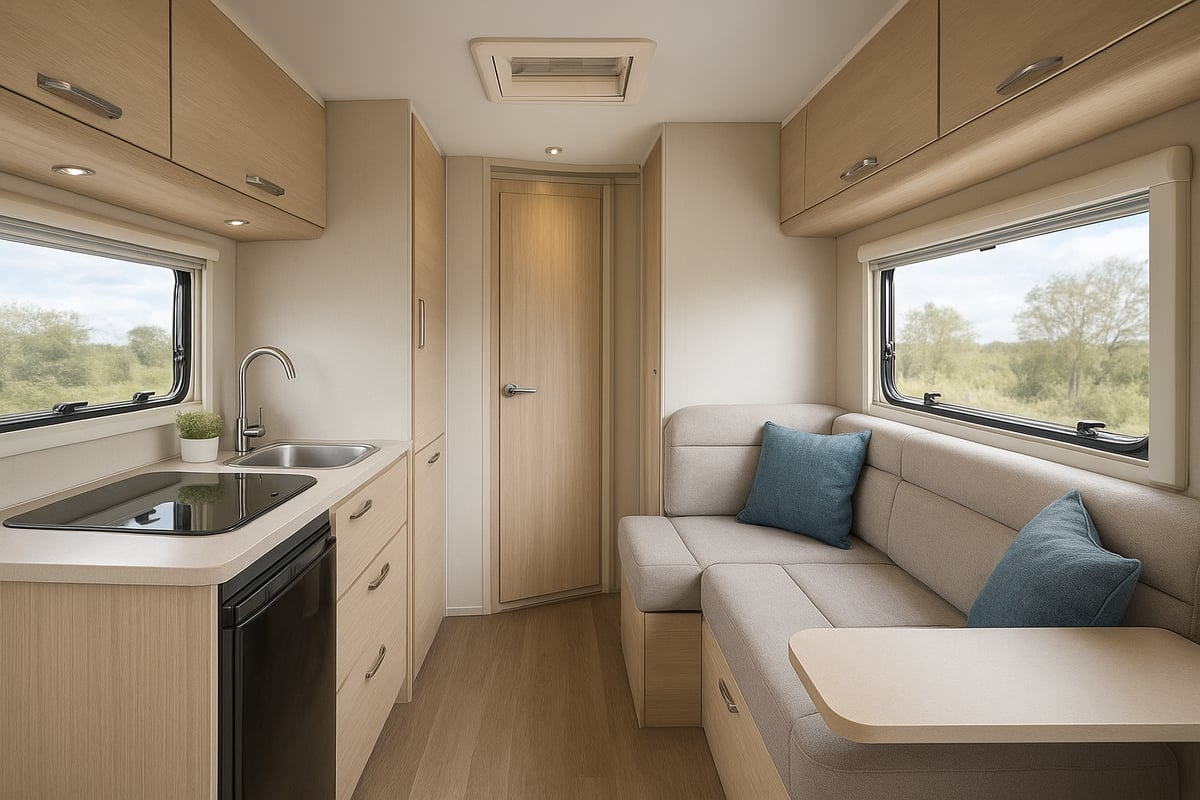
A two berth motorhome is a self-contained vehicle designed to comfortably accommodate two people. Typically under 7 metres in length and with a narrower profile than larger models, it is agile and practical for UK roads. You can expect a compact kitchenette, a washroom, and either fixed or convertible beds.
There are several types to consider, including coachbuilt, low profile, and A-Class models. Each offers a unique balance of space and style. For example, the 2025 Malibu T450RB-LE Mercedes measures 7.16 metres and features fixed single beds, making it a standout in this category.
Compared to larger motorhomes, a two berth motorhome is easier to drive and park, especially in towns or smaller campsites. If you are considering your options, Two Berth Motorhome Hire Options provide a helpful way to explore the latest features and models before making a commitment.
A two berth motorhome is ideal for couples and solo travellers seeking adventure and flexibility. Whether you are planning weekend escapes, extended tours, or city breaks, this type of vehicle is perfectly suited to your needs.
Many retirees enjoy the freedom it brings, while digital nomads appreciate the mobile workspace and connectivity. Pet owners will find pet-friendly options available, making it easy to bring furry companions along for the journey.
You will often see adventurers using a two berth motorhome to explore both remote countryside and vibrant urban destinations. The versatility allows you to tailor each trip to your lifestyle.
The compact size of a two berth motorhome brings several key benefits. Driving, manoeuvring, and parking are far simpler than with larger vehicles, opening up more destinations. Lower purchase prices, reduced insurance, and cheaper site fees make it a cost-effective choice.
Fuel efficiency is typically higher due to lighter construction. Smart storage solutions ensure every inch of space is used efficiently, so you can pack what you need without feeling cramped.
Site fees and running costs for a two berth motorhome are generally lower than for 4 or 6 berth models, making it a smart investment for regular travellers.
| Feature | Two Berth Motorhome | Larger Motorhome |
|---|---|---|
| Driving Ease | High | Moderate |
| Parking | Simple | Challenging |
| Running Costs | Low | Higher |
| Fuel Efficiency | Better | Lower |
There are several common layouts in a two berth motorhome. Popular options include an end lounge, end washroom, end kitchen, or end bedroom. You can choose between a lounge conversion (seating area turns into a bed) or a fixed bed for added comfort.
Some A-Class models feature a drop-down bed, providing extra space during the day. For instance, the Auto-Sleepers Broadway EL offers an end lounge layout with a convertible seating area.
Layout decisions impact your daily comfort and routine. If you enjoy relaxing in the evening, an end lounge may suit you. If you prioritise a dedicated sleeping area, a fixed bed layout could be best.
Every two berth motorhome comes equipped with essential amenities for a comfortable journey. The kitchen typically includes a fridge, hob, oven, and sometimes a microwave. The washroom provides a shower, toilet, and sink.
Living areas feature convertible seating, a table, and entertainment systems. Modern models are well-insulated and include heating for year-round use, as well as off-grid capabilities for those seeking adventure beyond campsites.
For example, many 2025 models offer advanced power options, gas heating, and stylish interiors that make every trip enjoyable, no matter the weather.
Selecting the ideal two berth motorhome for your adventures in 2025 involves more than picking a stylish model. It is a process shaped by your travel preferences, practical requirements, and future plans. By breaking down your options step by step, you can confidently match the right vehicle to your lifestyle.
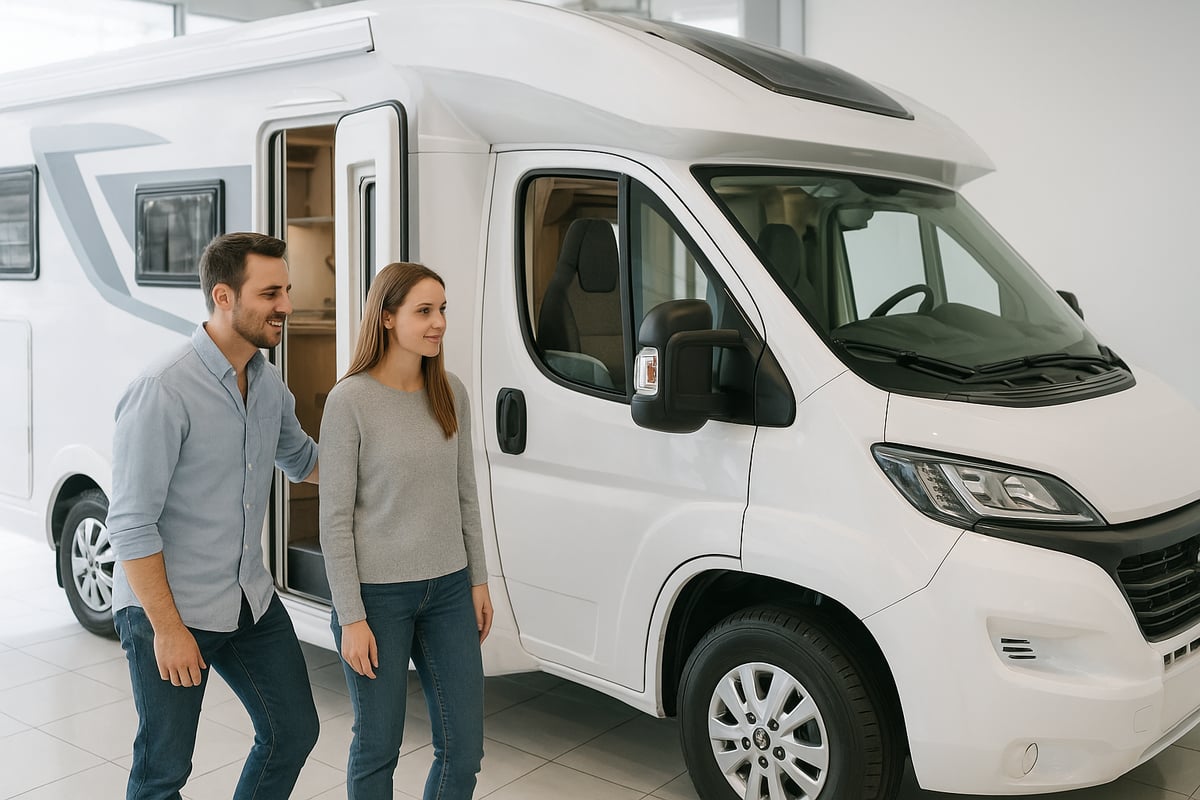
Start by reflecting on how you intend to use your two berth motorhome. Consider if you will be travelling mostly on weekends, taking extended tours, or embarking on spontaneous city breaks. Couples often look for comfort on longer journeys, while solo travellers may prioritise convenience and agility.
Think about your preferred destinations. Will you explore rural countryside, coastal routes, or urban centres? If you plan to spend nights off-grid, ensure your two berth motorhome has the right power and water systems. Assess any accessibility needs, such as easy entry or adapted controls. By understanding your travel style, you can shortlist models that enhance every trip.
The physical dimensions of a two berth motorhome play a crucial role in its suitability. Most models are under 7 metres in length, making them easier to drive and park on narrow roads or in busy towns. Height and width also affect access to certain sites and low-emission zones.
Weight is another key consideration. If your two berth motorhome is under 3,500kg, you can drive it with a standard UK car licence. Over 3,500kg may require additional licensing. Decide between manual and automatic transmission based on your driving comfort. For example, the Malibu T450RB-LE Mercedes offers smooth automatic handling at 7.16m, perfect for first-time drivers seeking confidence on the road.
When choosing a two berth motorhome, decide whether a new or used model best fits your budget and expectations. New vehicles come with the latest features, full warranties, and the chance to customise finishes or layouts. However, they require a higher initial investment.
Used two berth motorhomes often offer excellent value, with lower prices and immediate availability. Always check the mileage, service history, and condition before purchase. For instance, a used Frankia A-Class F-Line I 640 SD with 23,500 miles can save you up to £12,000 compared to a new equivalent. This approach is ideal if you want to maximise your budget without compromising on quality.
The interior layout of your two berth motorhome will shape your daily experience. Common options include end lounge, end kitchen, or fixed bed arrangements. Lounge conversions provide flexibility, turning seating into a sleeping area, while fixed beds offer convenience and faster setup.
Storage solutions are essential, especially for longer trips. Look for innovative cupboards, under-seat storage, and adaptable shelving. When inspecting interiors, check the quality of materials, ease of cleaning, and how spaces flow together. Whether you prefer a lounge conversion or a fixed island bed, ensure the layout suits your lifestyle and comfort needs.
Modern two berth motorhomes are packed with innovations for comfort, efficiency, and safety. Prioritise energy efficiency, such as upgraded insulation, efficient heating, and optional solar panels for off-grid capability. Smart technology, including integrated controls, Wi-Fi, and entertainment systems, can greatly improve your travel experience.
Safety is also paramount. Features like airbags, reversing cameras, and alarms help protect your investment and peace of mind. For more on protecting your vehicle, review these Essential Motorhome Safety Tips. Accessibility enhancements, such as wide doors and step-free entry, are increasingly available in 2025 models, making travel smoother for everyone.
Budget planning is vital when selecting a two berth motorhome. New models typically range from £84,995 to £112,995, while used options can be found for as little as £35,000, depending on age and condition. Finance options like Hire Purchase (HP) or Personal Contract Purchase (PCP) allow you to spread the cost over monthly payments.
When considering value retention, focus on reputable brands, low mileage, and excellent condition. Models like the Auto-Sleepers Broadway EL hold their value well, especially with regular care. Lower depreciation is often seen in well-maintained, popular models, making your two berth motorhome a smart, long-term investment.
Choosing the right two berth motorhome model in 2025 means balancing comfort, innovation, and value. The market features a range of trusted brands, each offering unique strengths for solo travellers and couples. Understanding the latest models will help you find a two berth motorhome that fits your lifestyle and travel ambitions.
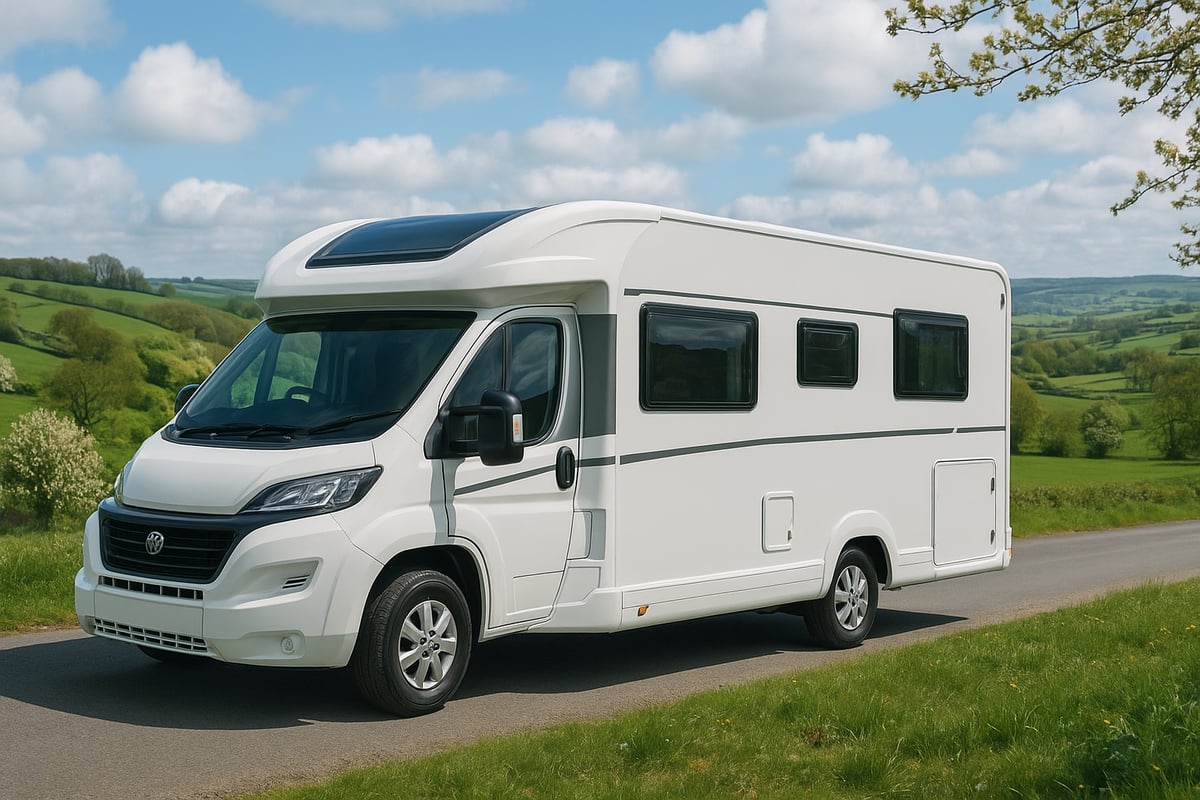
The two berth motorhome market in 2025 is led by respected names such as Auto-Sleepers, Malibu, Frankia, Carthago, Elddis, and Auto-Trail. These manufacturers are known for their build quality, aftersales support, and continuous innovation.
Auto-Sleepers, for instance, is celebrated for luxury finishes and Mercedes-based chassis. Malibu impresses with its clever layouts and automatic transmission options. Frankia and Carthago are popular for their A-Class models, while Elddis and Auto-Trail deliver value and practical features. Each two berth motorhome brand offers a unique blend of comfort, technology, and reliability.
To help you choose the best two berth motorhome, compare popular models side by side:
| Model | Beds | Transmission | Length | Price (2025) |
|---|---|---|---|---|
| Malibu T450RB-LE Mercedes | Fixed singles | Automatic | 7.16m | £112,995 |
| Auto-Sleepers Broadway EB/EL | End wash/lounge | Automatic | 6.32–6.63m | £84,995–£96,495 |
| Frankia A-Class F-Line I 640 SD | Drop-down | Manual | 6.45m | £88,495 (used) |
| Elddis Autoquest 175 | Lounge conversion | Manual | 7.2m | £79,995 (used) |
The two berth motorhome segment offers a range of price points and specifications. New models provide the latest tech and layouts, while used options can offer significant savings.
Layout plays a crucial role in two berth motorhome comfort. Fixed beds, like those in the Malibu T450RB-LE Mercedes, provide easy access and daily convenience. End lounge and end washroom layouts, such as in the Auto-Sleepers Broadway EL, create flexible living spaces that convert into beds at night.
Other specifications to consider include kitchen and washroom placement, storage capacity, and entertainment features. A-Class models may offer drop-down beds for extra space. The right two berth motorhome layout will depend on your travel style and personal preferences.
Performance and economy are key factors for two berth motorhome owners. Most models use efficient diesel engines, balancing power and fuel economy. Automatic transmissions, such as in the Malibu T450RB-LE Mercedes, make driving more accessible for many.
Running costs are typically lower for two berth motorhome models compared to larger units. Insurance, maintenance, and site fees remain manageable due to compact dimensions and reduced weight. Choosing a model with a smaller engine can further improve fuel efficiency and help keep long-term costs in check.
The latest two berth motorhome models showcase innovations in comfort, sustainability, and connectivity. Enhanced insulation and heating systems enable year-round travel. Smart tech, including touchscreen control panels and app integration, brings convenience to daily living.
Eco-friendly features—like solar panels and low-emission engines—are increasingly standard. For more information on how these trends are shaping the market, see RV Statistics for 2025: Key Insights and Future Trends. Expect growing demand for off-grid capability and sustainable travel in the two berth motorhome sector.
When purchasing a two berth motorhome, consider reputable dealerships for warranties and aftersales support. Dealerships such as Dicksons of Perth offer a wide selection of new and used models.
Online platforms expand your options and often provide buyer protection. Private sales can yield savings but require careful inspection and due diligence. Always view a two berth motorhome in person, check its service history, and compare multiple sources before making a decision.
Choosing between buying and hiring a two berth motorhome is a significant decision for both new and experienced travellers. The right choice will depend on your travel patterns, budget, and long-term plans. Understanding the pros and cons of each approach ensures you select the best path for your adventures.
Owning a two berth motorhome brings long-term value, especially if you plan frequent trips. You can personalise your vehicle, add bespoke features, and enjoy the freedom of travel at any time. Ownership also means you benefit from asset value and can sell later if your needs change.
However, buying a two berth motorhome requires a substantial upfront investment. Costs include insurance, maintenance, and secure storage when not in use. For many, these extra expenses are justified by the flexibility and comfort of having a personal vehicle ready for the next journey.
Hiring a two berth motorhome offers flexibility and convenience. If you travel only a few times a year, hiring eliminates maintenance and storage concerns. You can try different models to find the layout and features that suit your style, making it perfect for first-timers or those who enjoy variety.
The main drawback is cumulative cost. Regular hires can add up over time, and you may face availability issues during peak seasons. Still, for occasional use or to test the waters before committing, hiring a two berth motorhome is a smart, low-risk option.
For those who take occasional holidays or spontaneous trips, hiring a two berth motorhome makes perfect sense. It allows you to avoid the responsibilities of ownership, such as depreciation and ongoing insurance costs, while still enjoying all the comforts of motorhome travel.
Hiring is also ideal for couples or solo travellers who want to experience different layouts and brands before making a purchase. Hire prices vary by season and model, so it is important to compare options and book early during busy periods.
Selecting a reputable hire company is crucial for a smooth two berth motorhome experience. Look for providers with a modern, well-maintained fleet and transparent pricing. Flexible pickup and return times can make your trip easier, especially for longer tours or city breaks.
Check customer reviews for insights into service quality and support. A good hire company will offer clear insurance options and a range of two berth motorhome models, allowing you to choose the best fit for your adventure.
The Camper Co stands out as a Leeds-based specialist in two berth motorhome hire. They offer a diverse, modern fleet designed for couples and solo explorers, with flexible rental periods to suit every itinerary.
Each two berth motorhome is fully equipped with all the essentials for touring Yorkshire and beyond. The Camper Co is highly rated for customer service and comfort, making them a reliable choice for anyone looking to hire a two berth motorhome for a memorable journey.
Equipping your two berth motorhome with the right accessories and upgrades transforms every journey into a comfortable, convenient experience. From clever storage to advanced technology, the right additions enhance both short breaks and extended tours. Below, discover the essentials every owner should consider for their two berth motorhome.
Making the most of a two berth motorhome often means adding a few well-chosen accessories. Essentials like portable BBQs and outdoor furniture allow you to enjoy al fresco dining and relaxation at any stop. An awning creates extra living space and shelter, while a bike rack opens up opportunities for cycling adventures.
Other popular accessories include:
Most buyers choose at least two or three of these items, tailoring their two berth motorhome to suit their travel style and enhance comfort on the road.
Modern technology upgrades can make your two berth motorhome safer and more enjoyable. Solar panels provide off-grid power for remote stays, while GPS trackers and alarms improve security. Many owners install Wi-Fi routers and entertainment systems to stay connected and entertained wherever they travel.
Key tech and safety upgrades:
These enhancements add peace of mind, especially for those using a two berth motorhome for frequent or long-distance touring.
Upgrading the kitchen and living areas of your two berth motorhome boosts comfort and convenience. Compact coffee makers and advanced cooking appliances make meal prep easy, while organisers and foldable shelves maximise limited space. Adding blackout blinds and thermal curtains improves privacy and temperature control.
Consider these popular upgrades:
A well-equipped kitchen and cosy living space help make your two berth motorhome feel like a true home away from home.
Travelling through the UK’s changeable climate means preparing your two berth motorhome for all conditions. In winter, winter tyres and snow chains provide grip and safety. Portable heaters and insulation kits keep things warm, while cooling fans and sun shades are invaluable during summer trips.
Essential weather gear includes:
Being well-prepared ensures your two berth motorhome delivers year-round comfort, whatever the weather.
Keeping your two berth motorhome in top condition requires a selection of maintenance and emergency essentials. Basic toolkits and spare parts allow for on-the-go fixes, while water purification systems and extra fuel storage ensure self-sufficiency. Breakdown cover and emergency contacts are also crucial for peace of mind.
Helpful additions:
For more practical advice on maintaining and upgrading your two berth motorhome, see these Camper Van and Motorhome Tips, which cover everything from emergency prep to daily upkeep.
Owning a two berth motorhome is your gateway to freedom and adventure, but expert planning and practical tips can make every journey even more enjoyable. From efficient packing to seamless campsite selection, these insights help you maximise every mile and moment on the road.
Start every trip with a clear checklist for your two berth motorhome. List essentials such as clothing, cooking supplies, and travel documents. Opt for multi-purpose items like collapsible cookware and compact gadgets to save space.
Organise storage by categorising items—kitchenware in one cupboard, outdoor gear in another. Use packing cubes or soft bags that fit easily in overhead lockers. Couples travelling long-term in a two berth motorhome often find that planning meals and outfits a week in advance reduces clutter and stress. Efficient packing ensures you are ready for anything, whether a weekend getaway or an extended tour.
Driving a two berth motorhome is typically more manageable than larger models, but it pays to practise before venturing into busy cities or rural lanes. Use your mirrors and reversing camera for tight spots. Plan routes that avoid low bridges and narrow roads where possible.
Parking is easier with a compact two berth motorhome, especially in urban areas or smaller campsites. Always check local parking rules and look for designated motorhome bays. Adhering to speed limits and emission zone regulations keeps your travels smooth and legal. With confidence and awareness, even first-time owners will find driving and parking a two berth motorhome straightforward.
Choosing the right campsite enhances your two berth motorhome experience. Look for sites with essential facilities like electric hook-ups, fresh water, and waste disposal. Book in advance during peak seasons to secure the best pitches.
If you are interested in wild camping, research local laws, as regulations vary across the UK. For regional inspiration and guidance, consider reading Explore Yorkshire in a Motorhome, which offers valuable tips for scenic trips and hidden gems. Whether you prefer bustling sites or secluded spots, planning ahead ensures comfort and peace of mind.
Routine maintenance is vital for keeping your two berth motorhome in top condition. Check tyre pressures, oil levels, and fluid regularly. Inspect appliances and electrics before each trip.
Clean the interior and exterior after every journey to prevent wear and tear. Seasonal tasks include winterising by draining water systems and adding antifreeze, or preparing cooling fans for summer. Maintaining your two berth motorhome not only protects your investment but also guarantees a safe, comfortable ride for years to come.
Personalise your two berth motorhome to reflect your style and boost comfort. Add soft furnishings, LED lighting, or compact entertainment systems. Create routines for relaxation, such as morning coffees outdoors or evening games inside.
Join motorhome clubs or online forums to share travel stories and discover new destinations. Couples often enjoy swapping tips and recommendations with fellow enthusiasts. By making your two berth motorhome a true home on wheels, you will look forward to every journey—no matter the distance or duration.
Even well-maintained two berth motorhomes can encounter occasional problems. Learn basic troubleshooting for common issues like battery faults, water leaks, or blocked waste systems. Keep a toolkit, spare fuses, and emergency contacts handy.
If you experience a breakdown, use your warranty service or roadside assistance. Many minor repairs can be managed with simple tools and a little know-how. By staying prepared and proactive, you can quickly resolve most issues and continue enjoying your two berth motorhome adventures.
Whether you are dreaming of spontaneous weekend escapes or planning that long-awaited tour of Yorkshire’s rolling countryside, a two berth motorhome gives you the freedom and flexibility to travel your way. With practical advice on layouts, features, and the latest models, this guide has hopefully helped you feel more confident about making the right choice for your next adventure. If you are ready to experience the comfort and convenience of a modern two berth motorhome for yourself, it is easy to get started—simply Book Now and begin your journey with The Camper Co.
Imagine setting out on a scenic journey, the countryside unfolding before you from the comfort of your own RV. The appeal of road travel is soaring, and 2025 offers the perfect opportunity to embrace the freedom of driving rv rental holidays. This guide delivers crucial advice on driving rv rental, covering everything from selecting your ideal vehicle to mastering the rules of the road. You will discover how to plan routes, ensure safety, and benefit from insider tips, all designed to help you enjoy a seamless, stress-free adventure. Let this be your roadmap to an unforgettable RV experience.
Selecting the best vehicle is the cornerstone of a successful driving rv rental experience. With choices ranging from compact campervans to spacious motorhomes, understanding what suits your needs can make your trip more comfortable and enjoyable. Let us break down the process step by step for you.
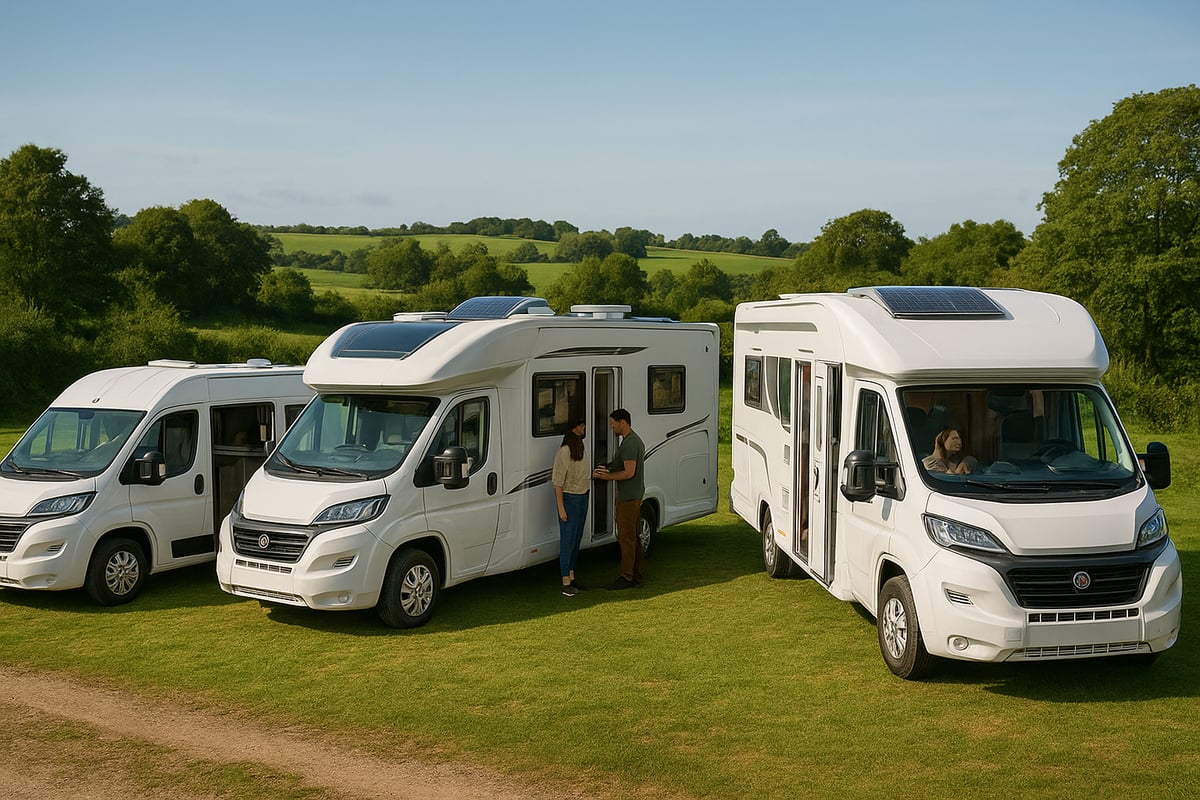
The UK market for driving rv rental offers a wide array of options. The main categories include Class A motorhomes, Class B campervans, and Class C motorhomes, each with distinctive features. Class A vehicles are the largest, providing extensive amenities and space, ideal for bigger groups or families. Class B campervans are more compact, easier to manoeuvre, and suit solo travellers or couples. Class C sits in between, balancing comfort and drivability.
To illustrate, compare a compact campervan with a 6-berth motorhome. Campervans are perfect for city breaks or quick countryside escapes, while a 6-berth motorhome is tailored for extended family adventures with ample sleeping and living space.
Eco-friendly models are rising in popularity, reflecting a shift in 2025 trends. According to industry surveys, 68% of UK renters now prefer motorhomes for longer trips, highlighting the demand for comfort and space.
If you want a deeper dive into selecting the right vehicle, check out this comprehensive guide on choosing your perfect campervan. This can help you make an informed decision for your next driving rv rental.
Before you book a driving rv rental, consider your travel group, journey duration, and preferred destinations. Think about how many people will join you and what sleeping arrangements you need. Are you planning a short city break or a multi-week rural escape? Your answers will influence the vehicle size and features required.
Storage is another key factor. Will you bring bikes, outdoor gear, or extra luggage? Some models offer generous storage, while others prioritise living space. Accessibility features are crucial for travellers with mobility needs, and many providers now offer pet-friendly options.
For food enthusiasts, choosing an RV with a spacious kitchen can enhance your culinary adventures. Carefully matching these requirements to your driving rv rental ensures a smoother, more enjoyable trip.
Budgeting for a driving rv rental goes beyond the base hire rate. In 2025, prices vary by vehicle size and seasonality. Expect to pay more for a luxury motorhome compared to a basic campervan, especially during peak months.
Remember to account for insurance, mileage limits, fuel, cleaning fees, and optional extras like satellite navigation or bedding. Most companies require a deposit, and cancellation policies can affect your refund if plans change. Booking outside peak periods or opting for longer rentals can yield significant savings.
To illustrate, a budget campervan might cost £600 per week, while a luxury model exceeds £1,200. Understanding the full cost structure helps you avoid surprises and get the best value from your driving rv rental.
Timing is crucial for securing your preferred driving rv rental, especially during school holidays and summer. Book early for the widest selection. Bring essential documents, such as your driving licence, proof of ID, and a credit card, when collecting your vehicle.
Before departure, conduct a thorough inspection. Check for any existing damage, confirm fluid and fuel levels, inspect tyres, and ensure all equipment is present. Familiarise yourself with the rental agreement and make sure your insurance provides adequate coverage.
A smooth pick-up process sets the tone for your holiday. Arriving prepared helps you get on the road swiftly, ensuring your driving rv rental adventure begins without stress or delays.
Embarking on a driving rv rental adventure in 2025 offers unmatched freedom, but confidence on the road is essential. Understanding laws, building key skills, and preparing for the unexpected will help ensure a safe, enjoyable journey. Below, we break down everything you need to master for a seamless experience behind the wheel.
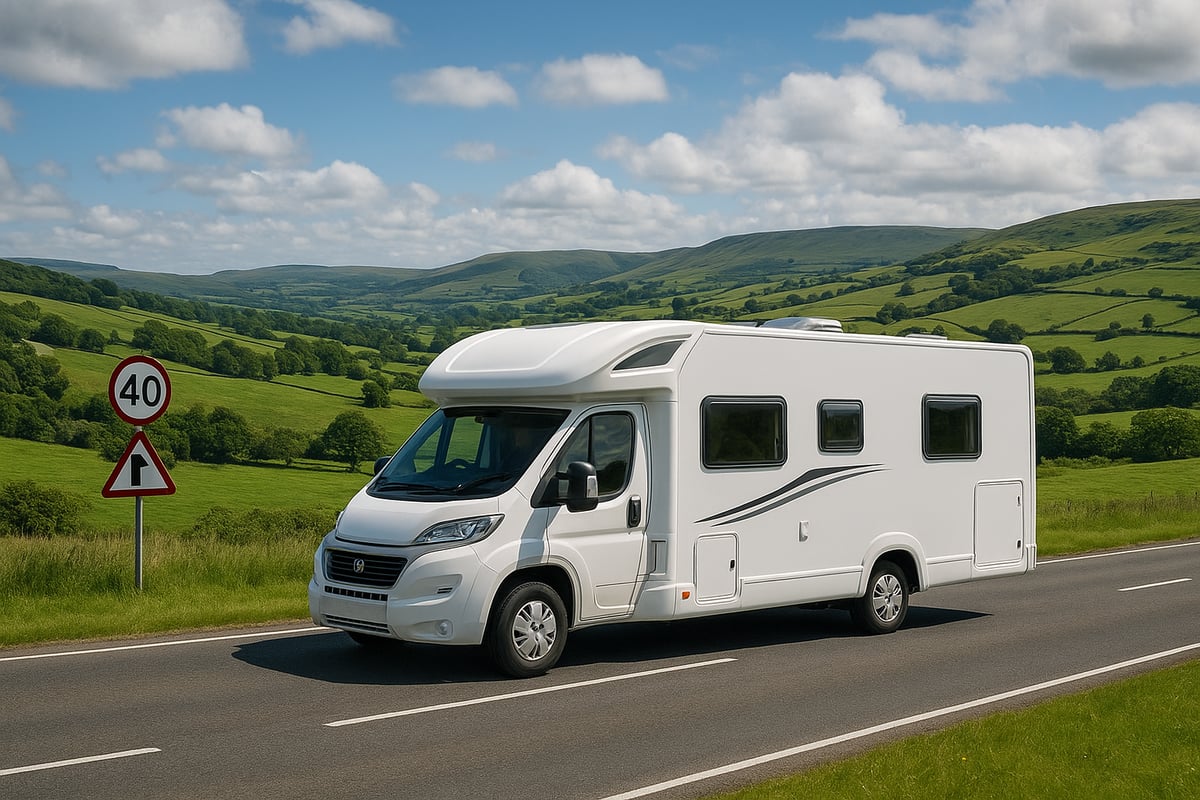
Before setting off on your driving rv rental, it's vital to understand the legal landscape in the UK. The type of RV you drive determines the licence you need. For most campervans and smaller motorhomes under 3.5 tonnes, a standard Category B licence suffices. Heavier vehicles may require a C1 licence, especially for those over 3.5 tonnes.
Speed limits differ for RVs compared to cars. On single carriageways, motorhomes are usually limited to 50 mph, while dual carriageways and motorways allow up to 60 mph. Always check your vehicle's height, weight, and width, as many rural roads and villages have restrictions.
All passengers must wear seatbelts where fitted, and child seats are compulsory for young children. For example, navigating the narrow stone bridges in rural Yorkshire often means checking clearance signs and adhering to local byelaws. Staying informed on these rules ensures your driving rv rental experience is both legal and stress-free.
| Vehicle Type | Licence Needed | Single Carriageway | Dual Carriageway | Motorway |
|---|---|---|---|---|
| Campervan <3.5t | Cat. B | 50 mph | 60 mph | 60 mph |
| Motorhome >3.5t | C1 | 50 mph | 60 mph | 60 mph |
Driving rv rental vehicles requires a shift in mindset and technique. Adjust to the larger dimensions by allowing more space when turning and braking. Use your mirrors and, if available, reversing cameras to keep blind spots in check.
Reversing and parking can be challenging, especially in tight village streets or busy campsites. Practise manoeuvring before your trip, and remember to take it slow. Parallel parking may take longer, but patience prevents costly bumps.
Key skills for RV drivers:
For more practical advice, explore these Top motorhome driving tips to build your confidence and make the most of your driving rv rental holiday.
Safety is paramount when embarking on a driving rv rental journey. Start every trip with a pre-drive checklist: inspect tyres for wear and pressure, check all lights, test brakes, and top up fluids. These checks can prevent breakdowns on the road.
Always pack essential safety gear:
Familiarise yourself with emergency procedures. If you experience a tyre blowout on the motorway, steer straight, slow down gradually, and pull over safely. Contact your roadside assistance provider for help. Being prepared ensures peace of mind and keeps your driving rv rental adventure on track.
The UK’s weather is famously unpredictable, so mastering driving rv rental in all conditions is a must. In rain, reduce your speed and increase following distance. Windy conditions require both hands on the wheel, as high-sided vehicles are more susceptible to gusts.
Fog and ice demand extra caution. Use low-beam headlights in fog and avoid sudden movements on icy roads. Rural routes, like crossing the Pennines in winter, often involve steep hills and sharp bends. Use a lower gear to control speed on descents and always check the route for low-clearance bridges.
Tips for tricky conditions:
Staying flexible and alert helps you tackle any challenge on your driving rv rental trip.
Long hours behind the wheel can lead to fatigue, a major risk factor for accidents during driving rv rental holidays. The Department for Transport reports that fatigue is responsible for 20% of serious road incidents in the UK.
Follow these best practices:
Recognise signs of tiredness, such as yawning or difficulty concentrating, and pull over at the first sign. Building rest into your itinerary keeps your driving rv rental experience safe and enjoyable for everyone on board.
Planning your journey is as crucial as selecting the right vehicle when it comes to driving rv rental adventures. A thoughtfully mapped route, suitable campsites, and awareness of local laws ensure your trip is seamless from start to finish. Consider each stage of your journey to maximise comfort, safety, and enjoyment while on the road.
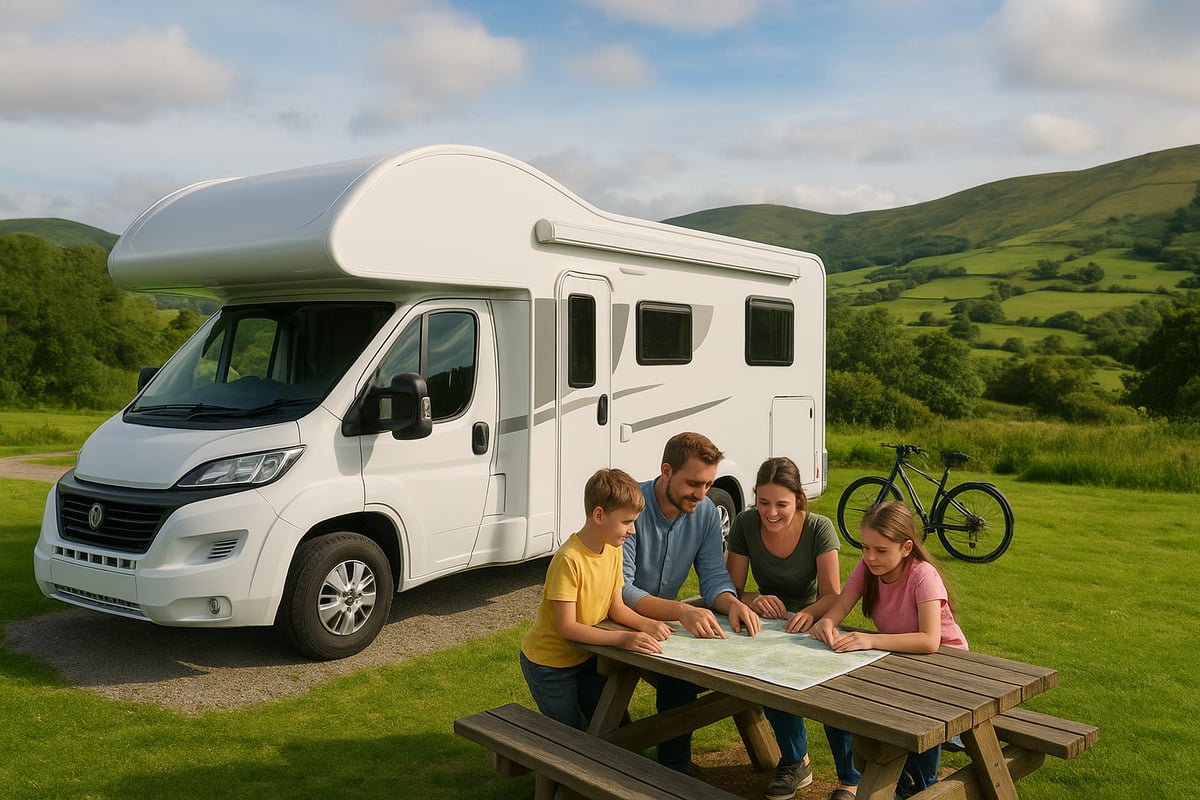
Effective itinerary planning is key to a successful driving rv rental experience. Start by using RV-friendly navigation apps and route planners to map your journey. Consider your group’s preferences, from scenic routes to must-see attractions.
Break up your days with regular fuel stops, rest areas, and local highlights. Estimate realistic distances—most RV travellers find 100–150 miles per day comfortable. Overambitious routes can lead to fatigue and missed experiences.
For example, a Yorkshire Dales loop can include stops at Bolton Abbey, Malham Cove, and quaint market towns. Always factor in the unique requirements of your driving rv rental, such as vehicle height and length restrictions. Plan ahead for road types and avoid unsuitable narrow lanes.
Make a checklist before setting off:
A well-structured itinerary ensures you make the most of every mile.
Selecting the right campsites shapes your driving rv rental holiday. The UK offers a variety of options, including holiday parks, certified sites, and wild camping spots. Each type has unique amenities to suit different travel styles.
When booking, consider whether to reserve in advance or remain flexible for spontaneous stays. Peak seasons and popular locations often require early booking, especially for families or larger groups.
Key facilities to look for include:
Here is a table comparing campsite features:
| Facility | Holiday Park | Certified Site | Wild Camping |
|---|---|---|---|
| Electric Hook-up | Yes | Often | Rare |
| Showers | Yes | Sometimes | No |
| Waste Disposal | Yes | Yes | No |
For families, top-rated campsites in West Yorkshire combine playgrounds with beautiful surroundings, making your driving rv rental stay both comfortable and memorable.
Understanding the legal landscape is vital for anyone embarking on a driving rv rental journey. In the UK, wild camping is generally restricted, especially in England and Wales, unless you have landowner permission. Scotland offers more flexibility, but local byelaws still apply.
Overnight parking in laybys or car parks is sometimes permitted but always check local signs and regulations. Respect private land and avoid blocking access or causing disturbances.
Responsible camping means following leave no trace principles:
Popular wild camping spots, like parts of Dartmoor or the Lake District, have specific rules. Research in advance to remain compliant and preserve the environment for future driving rv rental enthusiasts.
One of the joys of driving rv rental holidays is the ability to explore local attractions at your own pace. Plan to visit national parks, heritage sites, and festivals along your route. Balance iconic destinations with hidden gems for a richer experience.
Incorporate activities for all ages, such as hiking, cycling, or sampling regional cuisine. For example, combine a motorhome trip with a Yorkshire food festival to enjoy both scenic drives and local flavours.
Access to national parks is straightforward with most RVs, but always check parking and access rules in advance. For detailed inspiration on planning routes and making the most of your journey, see Exploring Yorkshire in a motorhome.
By weaving local highlights into your itinerary, your driving rv rental adventure becomes more than just a journey—it becomes a collection of lasting memories.
Making your driving rv rental experience enjoyable hinges on comfort, convenience, and thoughtful planning. With the right approach, life on the road can be both practical and pleasurable for every traveller.
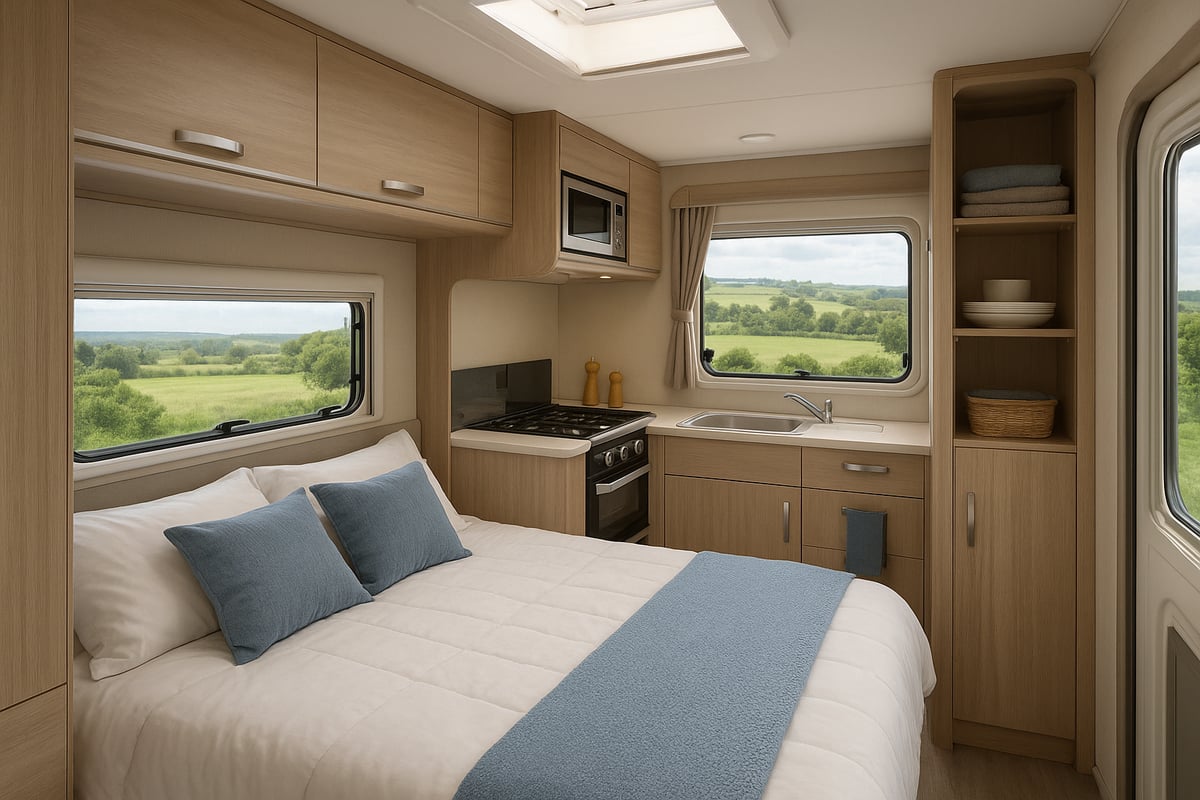
Before setting off on your driving rv rental adventure, pack smartly to maximise both space and comfort. Begin with a checklist: bedding, pillows, cookware, utensils, outdoor chairs, table, portable grill, and tech gadgets like chargers and power banks. Packing cubes and collapsible containers help keep everything tidy.
For foodies, meal planning is key. Bring non-perishable items, a cool box for fresh produce, and reusable containers. Store snacks within easy reach for long drives. Space-saving hacks, such as stacking pans and using overhead shelves, free up room for extra equipment.
If you are travelling with children, remember board games, books, and compact toys. For pet owners, pack leads, bowls, and familiar bedding. With careful preparation, your driving rv rental journey will feel organised and stress free.
Understanding your RV’s water system is essential for a seamless trip. Fresh, grey, and black water tanks each have specific roles, so check levels daily. Conserve water by taking short showers and using biodegradable products. For energy, connect to campsite hook-ups or use solar panels when possible. Generators provide backup power in remote locations.
Efficient waste management is crucial. Always locate disposal points before arrival and follow site rules. In some regions, recycling schemes are available for responsible travellers. Safety is part of comfort—consider reviewing Essential motorhome security tips to protect your belongings and ensure peace of mind on your driving rv rental journey.
Every trip brings unique challenges, especially when resources are limited. By planning water stops and monitoring energy use, you guarantee a comfortable, eco-friendly adventure.
Modern driving rv rental experiences benefit from reliable connectivity. Invest in a portable Wi-Fi hotspot or a data SIM card for internet access, especially in rural areas. Many campsites offer Wi-Fi, but coverage can be patchy, so have offline maps and entertainment downloaded in advance.
For downtime, bring streaming devices, e-books, and a portable speaker. Family-friendly entertainment, such as card games or movies, keeps everyone engaged on rainy days. Keep children entertained with audiobooks, travel games, and creative activities.
Staying connected means more than just internet—it is about sharing memorable moments. With the right tech, your driving rv rental trip will combine freedom and fun, no matter where the road leads.
A well-equipped kitchen is central to comfort on any driving rv rental holiday. Stock up on essential appliances like a kettle, hob, toaster, and microwave. Secure items during travel to prevent spills. Simple meal ideas, such as a full English breakfast, make mornings memorable.
Create a cosy sleeping area with duvets, blackout blinds, and layered clothing for changing temperatures. For heating and cooling, use built-in systems or portable fans and heaters as needed. Good ventilation prevents condensation and keeps the space fresh.
Personalise your RV with cushions, throws, and favourite mugs to create a homely atmosphere. These thoughtful touches transform your driving rv rental into a true home from home.
Setting out on a driving rv rental adventure in 2025 can be truly rewarding if you know the latest industry insights and practical tips. This section covers the trends, pitfalls to avoid, ways to get the most out of your rental, the best digital tools, and how to travel responsibly. Let’s ensure your journey is smooth from start to finish.
The driving rv rental landscape in 2025 is evolving rapidly, with sustainability and smart technology at the forefront. Eco-friendly and hybrid RVs are increasingly popular, responding to traveller demand for greener options. In fact, 40% of renters are now seeking green travel solutions, reflecting a shift in consumer priorities.
Smart features such as integrated GPS, advanced safety tech, and high-speed internet are now standard in many models. Luxury finishes, pet-friendly layouts, and flexible interiors are more widely available, making the industry more inclusive than ever.
For a deeper understanding of the latest developments, see the UK RV Rental Market Trends & Forecast, which provides detailed analysis of market growth, consumer preferences, and competitive offerings.
When planning your driving rv rental, consider these trends to help you select a vehicle that matches your values and enhances your trip.
First-time driving rv rental users often fall into a few avoidable traps. Overpacking is a frequent issue, as storage space in most RVs is more limited than it appears. Take time to prioritise essentials and use packing lists to avoid unnecessary clutter.
Another common pitfall is misunderstanding rental agreements and insurance coverage. Always read the fine print, ask questions, and clarify what is included, from mileage limits to cleaning fees. Many renters also forget to book campsites in advance, especially during peak season, which can lead to last-minute stress.
For instance, one renter shared how failing to check insurance details led to unexpected costs after a minor incident. Planning ahead and learning from others’ experiences can save you both time and money on your driving rv rental journey.
Getting the most from your driving rv rental means making the most of every included benefit. Look for companies offering loyalty programmes or referral discounts, which can add significant savings over time. Take advantage of extras like bicycles, BBQs, or outdoor furniture that come with your package.
Build flexibility into your itinerary. Sometimes, the best moments happen when you take a spontaneous detour or extend your stay at a favourite spot. For example, a last-minute decision to visit a local music festival can turn a routine trip into something memorable.
Remember, value isn’t just about the price, but also the experiences and convenience your driving rv rental provides. Stay open to new opportunities and make the most of what’s available.
A successful driving rv rental adventure in 2025 relies on the right digital tools. Navigation apps like Waze and Google Maps help you avoid traffic and find RV-friendly routes. Specialist apps, such as Pitchup and Park4Night, make locating campsites and overnight stops simple.
Expense tracking apps can help you manage your budget, while fuel calculators give a clear picture of running costs. Some apps even help you find waste disposal points or service stations along your route.
Using these digital resources streamlines your trip, reduces stress, and ensures you never miss a must-see location during your driving rv rental journey.
Sustainability is central to modern driving rv rental experiences. Practise eco-driving by maintaining steady speeds and reducing unnecessary engine idling. Limit waste by recycling on the go and choosing campsites with green initiatives.
Support local communities by shopping at independent stores and engaging with regional events. Many renters now offset their travel emissions by contributing to certified schemes.
Participating in campsite recycling programmes and minimising your environmental footprint not only benefits the planet, but also sets a positive example for fellow travellers on their driving rv rental journey.
After exploring everything from choosing the perfect campervan to mastering safe driving and planning unforgettable routes, you’re now ready to turn your 2025 RV adventure into reality. Whether you’re travelling solo, as a couple, or with family, the right motorhome opens up a world of comfort and freedom across Yorkshire and beyond. If you’re eager to experience stress free travel with modern amenities and expert support every step of the way, the next step is simple Book Now and let The Camper Co help you start your journey with confidence.
Imagine starting your day with the golden sunrise over the Yorkshire Dales, the open road ahead, and the comfort of a modern VW camper van at your disposal in 2025. The desire to explore on your own terms has never been stronger, with more travellers discovering the freedom and iconic style these vehicles offer. Since the pandemic, the demand for road trips and self-contained holidays has soared, making it the perfect time to rent vw camper van for your next adventure. This essential guide will walk you through every step, from choosing the right rental to planning your journey and ensuring a memorable trip.
Imagine the possibilities when you rent vw camper van for your 2025 journey. Whether you are planning a grand tour across the UK or a spontaneous weekend escape, these vehicles offer an unmatched blend of freedom, comfort, and nostalgia. With the growing trend towards road trips and self-contained holidays, a VW camper van stands out as a top choice for modern explorers.
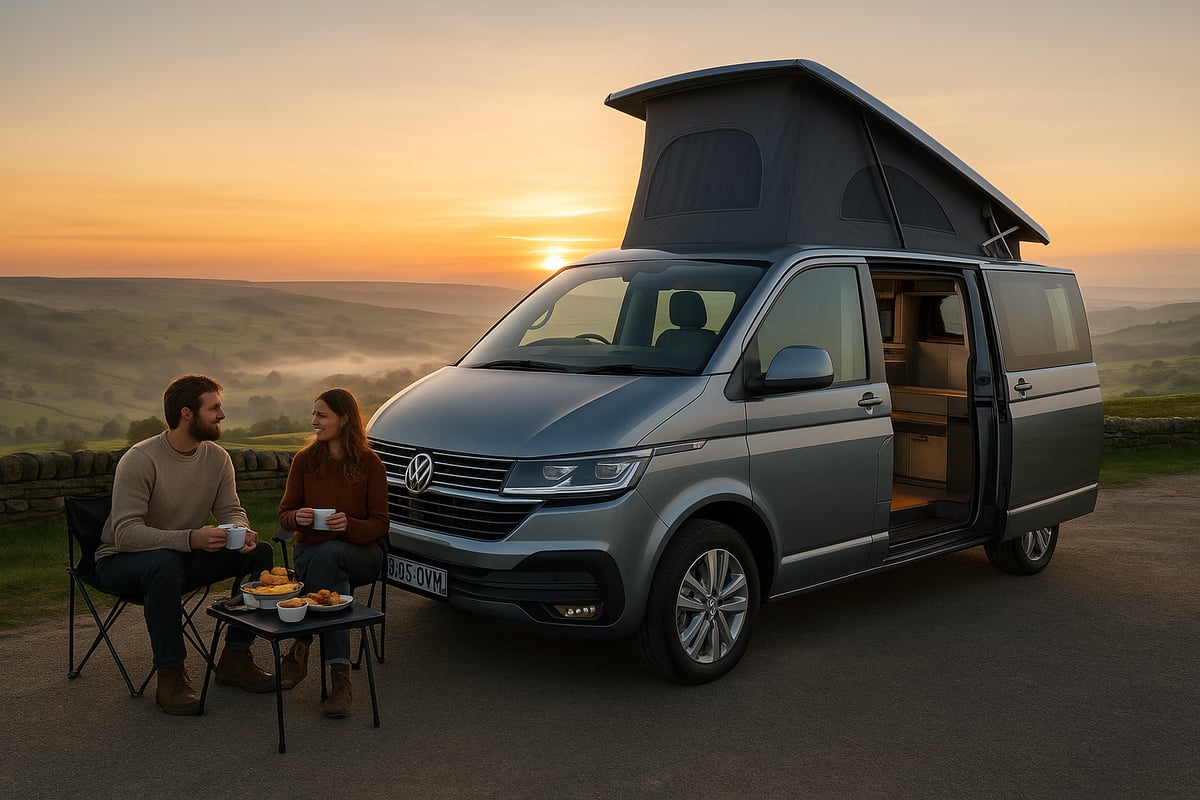
The VW camper van’s story stretches back to the 1950s, making it a true icon on British and European roads. When you rent vw camper van, you are stepping into a piece of automotive history. These vehicles evoke nostalgia for classic road trips, surf culture, and the open road, while remaining timelessly stylish.
Their instantly recognisable silhouette and cheerful charm appeal to travellers of all ages. Families cherish the sense of tradition, couples appreciate the romance, and solo adventurers are drawn to the van’s legendary freedom. Few vehicles can claim such cross-generational and cultural significance.
One of the main reasons people choose to rent vw camper van is the clever, space-saving interior. Modern models offer comfortable sleeping arrangements, compact kitchenettes, and ample storage for all your essentials. Whether you are a family, couple, or solo traveller, there is a layout to suit every group size.
Compared to other camper van models or larger motorhomes, VW campers are easier to manoeuvre and park. You will find options ranging from basic to fully equipped, allowing you to balance comfort and budget. The adaptability of these vans ensures a relaxing and enjoyable journey, no matter your travel style.
Sustainability is shaping travel choices, and when you rent vw camper van in 2025, you will notice significant advancements. Modern VW camper vans now feature efficient engines and reduced emissions, making them a greener option for road trips.
Volkswagen is introducing electric and hybrid camper van models, expected to be widely available by 2025. This shift aligns with the growing demand for sustainable travel. In fact, 81% of global travellers say sustainable travel is important (Booking.com, 2023). Choosing a VW camper means you can explore with a lighter environmental footprint.
Affordability is another benefit when you rent vw camper van for your holiday. By combining transport and accommodation, you save on hotel costs and dining out. Many travellers appreciate the flexibility to prepare meals on the go and explore multiple destinations without extra expense.
Let’s compare average daily costs:
| Option | Average Daily Cost (2024–2025) |
|---|---|
| VW Camper Van Hire | £100–£140 |
| Traditional Hotel + Car | £180–£220 |
As shown, choosing a VW camper offers significant value, especially for longer journeys with family or friends.
Perhaps the greatest advantage when you rent vw camper van is the absolute freedom it provides. You can reach remote beaches, national parks, and hidden gems that are off the beaten track. There is no need to follow rigid itineraries; simply follow the road wherever it leads.
Many travellers share stories of spontaneous detours and unforgettable moments on the open road. For inspiration and practical advice on planning your own adventure, explore the Ultimate guide to campervan adventures. The VW camper van is designed for those who want to make memories, not just tick off destinations.
Embarking on a camper van journey in 2025 is an exciting prospect, but knowing how to rent vw camper van efficiently is crucial for a smooth adventure. This step-by-step guide breaks down the entire process, ensuring you make informed choices from the start. Whether you are a seasoned road tripper or a first-time explorer, these steps will help you secure the ideal vehicle and plan a memorable trip.
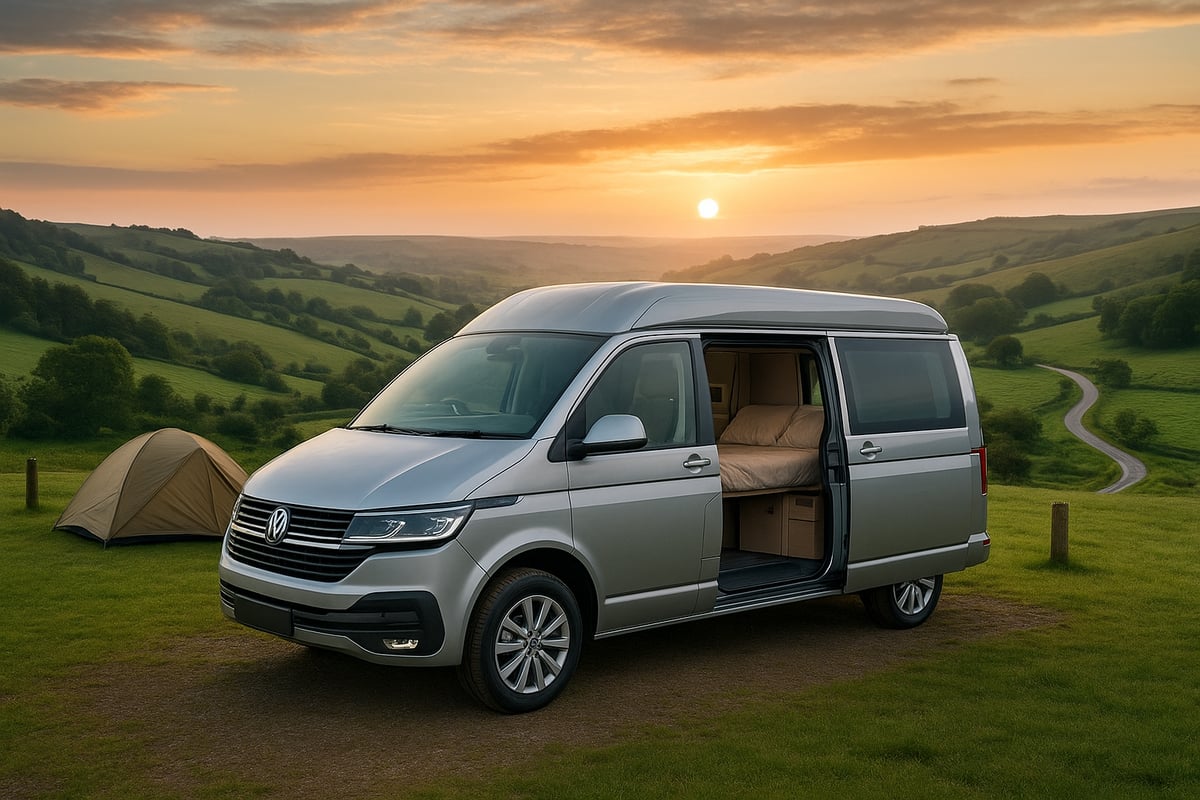
Before you rent vw camper van, consider who will be travelling with you and what everyone needs. Will you be journeying as a couple, family, or group of friends? The number of passengers determines your required sleeping arrangements and van size.
Think about:
Choosing the right configuration ensures comfort throughout your trip. Consider pets, mobility requirements, and how much living space you will need. This early planning helps narrow down your options before you start searching for the perfect van.
The next step to rent vw camper van is to research reputable rental companies. Look for firms that specialise in VW models, as they often provide the best-maintained fleets and tailored customer support.
Key criteria include:
Use online platforms to compare options and read feedback from previous customers. For a comprehensive overview of available models, pricing, and booking details, visit VW Camper Hire UK to explore trusted providers. Taking time to compare ensures you select a company that prioritises safety, value, and excellent service.
Once you know where to rent vw camper van, check availability for your preferred travel dates. Peak season runs from May to September, with demand highest during school holidays and public events.
Tips for securing your van:
Booking early not only guarantees a wider selection but may also save you money. Make sure your chosen van matches your needs, and confirm all details before paying any deposit.
Before you finalise your decision to rent vw camper van, carefully review the rental terms and pricing. Costs can vary based on van model, hire duration, and included amenities.
Key points to watch:
Ask about what is included in the price and clarify any potential hidden charges. Understanding these details helps you budget accurately and avoid surprises during your journey.
To rent vw camper van, you will need to provide valid documentation. Rental companies typically require the following:
Check if you need to supply additional paperwork, such as proof of address or recent utility bills. Having these documents ready speeds up the booking process and ensures you meet all legal requirements for your trip.
On the day you collect your vehicle, the process to rent vw camper van involves several important steps. Arrive on time for your appointment and be prepared for a detailed handover.
Expect to:
Take photos or videos of the van’s condition before departure. This protects you against potential disputes on return. Familiarise yourself with the operation of all onboard systems to ensure a confident start to your adventure.
The final step to rent vw camper van is to plan your journey and overnight stops. Research campsites and wild camping regulations in your chosen regions.
Planning tips:
Balancing pre-booked sites with flexible, spontaneous stops gives you the freedom to explore at your own pace. With thoughtful planning, your camper van adventure will be both memorable and stress-free.
Whether you are planning to rent vw camper van for a weekend getaway or an extended European road trip, understanding the latest features and technology can elevate your entire experience. The 2025 models bring a new level of comfort, safety, and sustainability to your journey, making every mile more enjoyable and efficient.
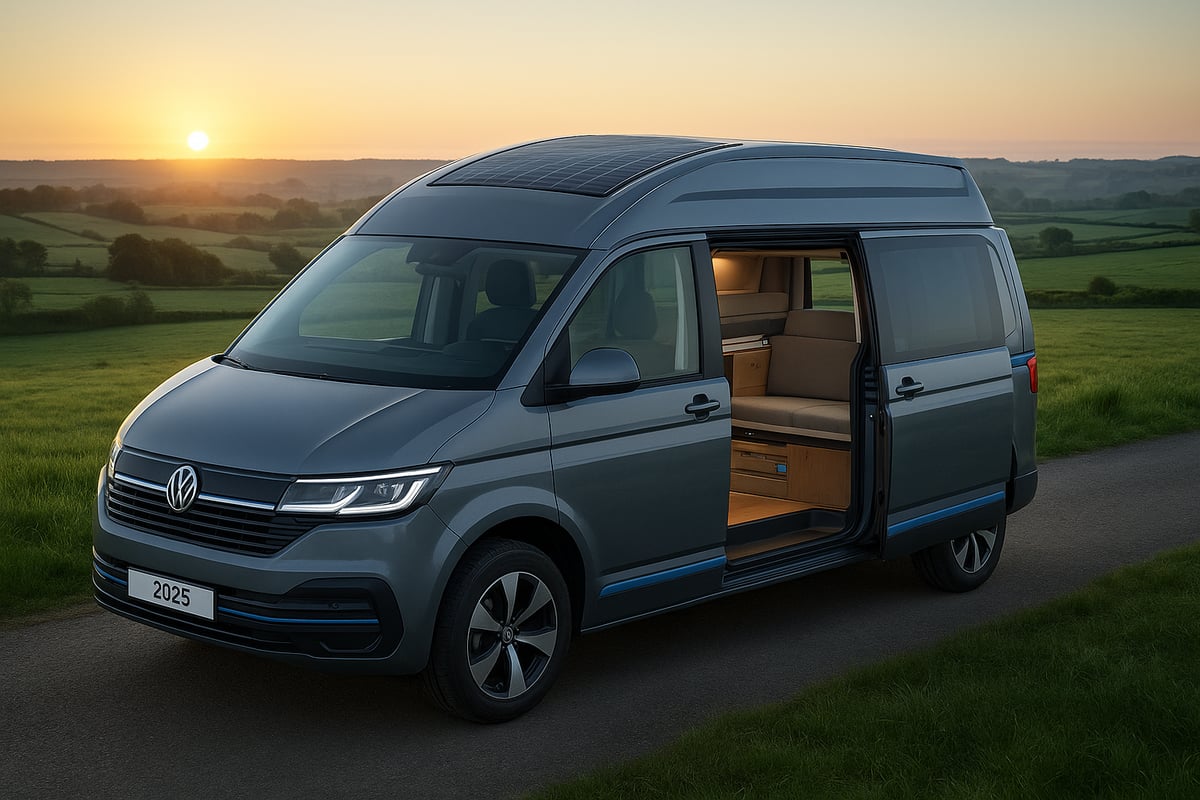
The latest VW camper vans are designed with comfort at the forefront. When you rent vw camper van in 2025, you will find smart climate control systems that keep the interior pleasant whatever the weather. Modular sleeping arrangements allow you to maximise space, whether you are travelling solo or with family.
Kitchens are equipped with induction hobs, energy-efficient fridges, and advanced water filtration. Many layouts now include integrated bathrooms with compact showers and eco-friendly toilets. Onboard Wi-Fi and entertainment systems ensure you stay connected and entertained throughout your trip.
Key amenities:
Safety is a top priority for anyone looking to rent vw camper van. The 2025 models feature advanced driver assistance technologies such as adaptive cruise control, lane-keeping assist, and parking sensors. These systems help reduce driver fatigue and enhance confidence behind the wheel.
Security features have also seen significant upgrades. GPS tracking, immobilisers, and remote monitoring help protect your vehicle and belongings, giving you peace of mind on the road.
Safety highlights:
Sustainability is a major focus for those who rent vw camper van today. The 2025 lineup includes models with solar panels, powerful battery storage, and off-grid capabilities. These features support greener travel and allow you to camp in more remote locations without sacrificing comfort.
Electric and hybrid VW camper vans are also becoming more prominent. The new California T7, for example, includes hybrid drive options and efficient energy management systems. For a deeper dive into these innovations, see the 2025 Volkswagen California T7 Camper Van Features.
Eco-friendly features:
When you rent vw camper van, accessibility and customisation can make a huge difference. Many 2025 models offer wheelchair access, wider doors, and child safety features, ensuring everyone can travel comfortably. Flexible storage solutions, bike racks, and optional roof tents let you tailor the van to your adventure style.
Custom add-ons, from awnings to integrated BBQs, provide the freedom to personalise your journey. This adaptability makes the latest VW camper vans suitable for families, couples, and solo explorers alike.
Custom options:
Budgeting for your adventure is crucial if you want to rent vw camper van in 2025. Understanding the full range of costs ensures you can plan with confidence and avoid surprises along the way. Let us break down what you can expect to pay, what extras might crop up, and how to make your money go further.
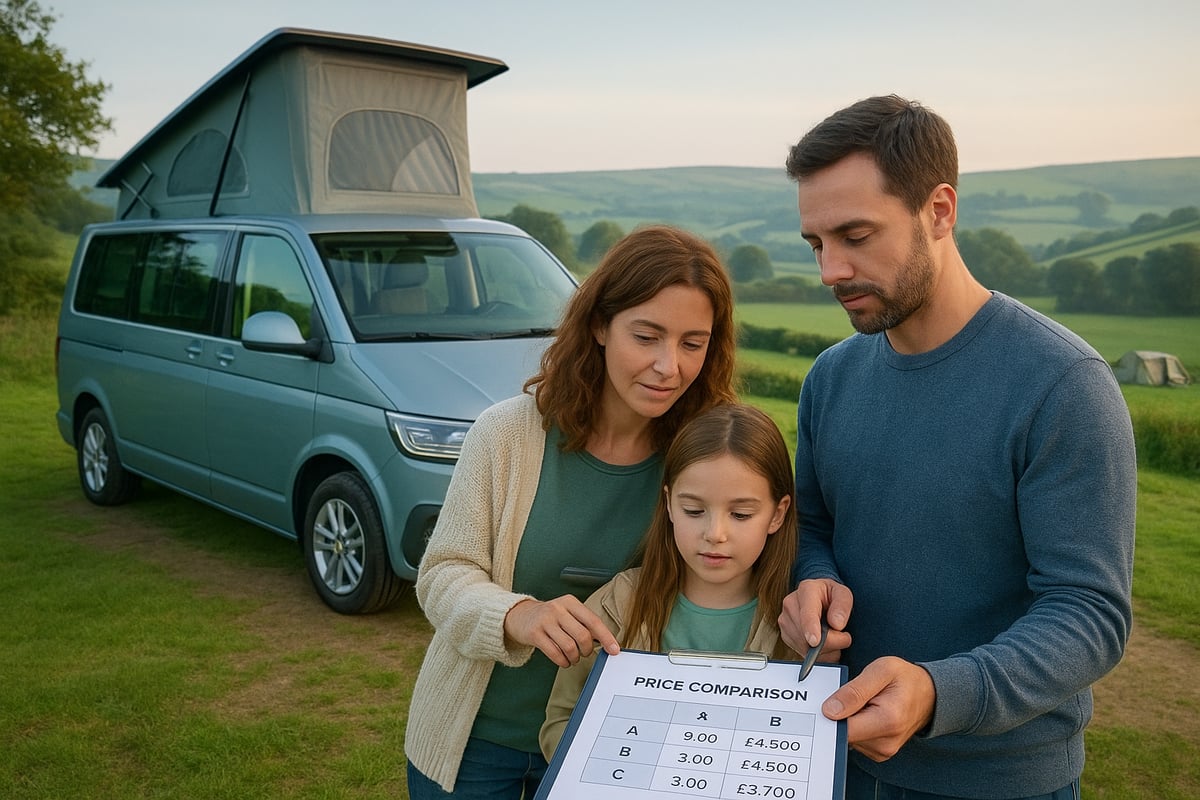
In 2025, the average cost to rent vw camper van in the UK is projected to range from £90 to £160 per day. Prices fluctuate based on the season, with higher rates during summer and school holidays. Booking early can secure better deals, especially for popular models. For those considering regional options, Camper van hire in Leeds offers insights into local pricing and availability. Always compare rates across several providers to get the best value for your trip.
When you rent vw camper van, be mindful of additional charges that can quickly add up. Common hidden costs include:
Review all terms carefully so you know exactly what is and is not included in the base price.
Insurance is a vital part of any plan to rent vw camper van. Most rental companies include basic insurance, but the excess (the amount you pay if there is damage) can be high. Some offer the option to upgrade to comprehensive cover, reducing your liability. Expect to pay a refundable security deposit, usually between £750 and £1,250. Check what documents you need and ensure your driving licence meets the provider's requirements.
Looking to rent vw camper van on a budget? Consider these strategies:
A little planning goes a long way toward keeping your adventure affordable.
Here is a sample cost breakdown to help you budget when you rent vw camper van:
| Trip Length | Van Hire | Campsites | Fuel | Extras | Total |
|---|---|---|---|---|---|
| Weekend (3d) | £360 | £60 | £60 | £40 | £520 |
| 1 Week (7d) | £910 | £140 | £120 | £70 | £1,240 |
| 2 Weeks (14d) | £1,680 | £280 | £240 | £120 | £2,320 |
These figures are averages and may vary based on your route, van size, and extras chosen. Always allow a contingency for unexpected expenses.
Planning to rent vw camper van for your next adventure is exciting, but a smooth trip requires smart preparation. Use these practical tips to ensure your journey is comfortable, safe, and truly memorable.
When you rent vw camper van, maximising space is key. Start with a checklist of must-haves:
Pack soft bags instead of hard cases for easier storage. Use packing cubes or vacuum bags to save space. Store heavier items low and secure them to prevent movement while driving. Remember to bring only what you need, as clutter can quickly build up in a small space. For more detailed advice, browse Campervan hire tips and advice to help refine your packing strategy.
Driving a VW camper van across the UK or Europe is a unique experience. Before you rent vw camper van, check that your driving licence is valid for all planned countries. Familiarise yourself with local speed limits, road signs, and requirements such as high-visibility vests or emission stickers.
Plan your route ahead but allow flexibility for detours. Many UK and European cities have low emission zones or toll roads, so research these in advance. Use navigation apps with live traffic updates and download offline maps for areas with poor signal. Always carry essential documents, including insurance and breakdown cover.
When you rent vw camper van, respect campsite etiquette to ensure a pleasant stay for everyone. Arrive during check-in hours, keep noise to a minimum after dark, and always dispose of rubbish properly.
If you plan to wild camp, research the legalities for each country. In the UK, wild camping is generally restricted outside of Scotland unless you have landowner permission. Always leave your pitch as you found it, and never damage the environment. Adhering to these rules helps preserve access for future travellers.
Modern VW camper vans offer various ways to stay connected. When you rent vw camper van, check if it has onboard Wi-Fi or strong 12V charging points. Bring power banks and device chargers, and consider a portable solar panel for off-grid sites.
Manage your energy by using LED lighting and limiting use of high-power appliances. Download entertainment for offline use and keep important contacts saved locally on your phone. Staying powered up ensures you can navigate, communicate, and relax wherever your journey takes you.
Safety is paramount when you rent vw camper van. Pack a comprehensive first aid kit, and familiarise yourself with the location of fire extinguishers and emergency exits in your vehicle. Check your insurance details and have a list of local emergency numbers.
Ensure you have breakdown cover, and keep a basic toolkit on board. Store food safely in sealed containers and monitor fridge temperatures to prevent spoilage. Regularly check tyre pressures and fluid levels to reduce the risk of roadside issues.
To fully enjoy your trip, plan a mix of scenic routes and spontaneous stops. Explore national parks, coastal drives, and historic towns. Connect with fellow travellers through VW camper van communities or events for inspiration and support.
Capture memories with photos and keep a travel journal. Embrace the freedom that comes with a flexible itinerary, but always have a backup plan for busy seasons or inclement weather. With the right approach, every moment of your journey can be unforgettable.
Thinking about how to rent vw camper van in 2025? We have gathered the most common questions to help you plan your adventure with confidence. Here are the answers you need for a smooth and memorable road trip.
What driving licence do I need to rent vw camper van in the UK or Europe?
You will need a full, valid driving licence. UK and EU licences are widely accepted, but international visitors may need an International Driving Permit. Most companies require you to be at least 21 or 23 years old, with a minimum of one or two years’ driving experience.
Are pets allowed in rental VW camper vans?
Many rental providers allow pets, but it is best to check their policy before you book. Some may charge a cleaning fee or request that you bring your own pet bedding. Always mention your pet when you rent vw camper van to avoid complications.
Can I take a VW camper van abroad from the UK?
Yes, most companies let you travel across Europe, but always confirm their cross-border policy. You may need extra insurance or paperwork for certain countries. Notify your rental company if you plan to leave the UK with your van.
What’s included in the rental price?
Standard inclusions often cover kitchen equipment, basic insurance, and breakdown cover. Extras like bedding, GPS, or bike racks may come at an additional cost. Check your rental agreement for a full list before you rent vw camper van.
How far in advance should I book for summer 2025?
Book as early as possible, especially for peak season between May and September. Popular models and dates fill up fast, so reserve your van at least six months ahead for the best selection and rates.
What happens if the van breaks down?
Reputable companies provide 24/7 roadside assistance and support. You will receive instructions on what to do in the event of a breakdown. Always keep your rental documents and emergency contacts handy.
Are there restrictions on where I can park or camp overnight?
Wild camping is restricted in most parts of the UK and Europe. Use designated campsites or permitted parking areas. Check local regulations and always follow site rules to avoid fines.
How do I return the van at the end of the hire period?
Return the van clean, with a full fuel tank, and at the agreed time. The rental team will inspect the vehicle and confirm the return of your deposit. Follow the company’s checklist for a smooth handover.
For more detailed answers about how to rent vw camper van and other common concerns, see the Frequently asked camper van questions page.
If you’re feeling inspired to wake up to breathtaking Yorkshire views, set your own pace, and enjoy the comfort of a modern VW camper van, you’re in great company. With The Camper Co’s diverse fleet, you can tailor your 2025 adventure to fit your needs—whether it’s a romantic getaway, a family holiday, or a solo escape. From flexible layouts to all the latest amenities, you’ll have everything you need for an unforgettable road trip. Ready to start planning your journey and secure your perfect camper?
Book Now
Imagine waking up to panoramic landscapes, crisp morning air, and the peace of the great outdoors, all from the comfort of your own space. This is the unique appeal of an outdoor rv rental.
In this guide, you will discover exactly how to plan, book, and make the most of your outdoor rv rental adventure in 2025. Whether you are planning a family trip, a couple’s retreat, or a solo journey, this article will equip you with the latest insights, practical steps, and expert advice.
Explore the different types of RVs, essential planning tips, cost breakdowns, top destinations, and the newest trends to ensure your journey is seamless and unforgettable. Let the freedom of RV travel inspire your next adventure.
Outdoor RV rental is redefining the way people explore nature in 2025. It offers a unique blend of adventure, flexibility, and comfort, allowing travellers to immerse themselves in the outdoors without sacrificing modern conveniences. As more people seek meaningful escapes, outdoor RV rental bookings surged by 20% in 2024, according to the RV Industry Association. This trend highlights a shift towards experiences that combine the freedom of the open road with the practicality of a mobile home.
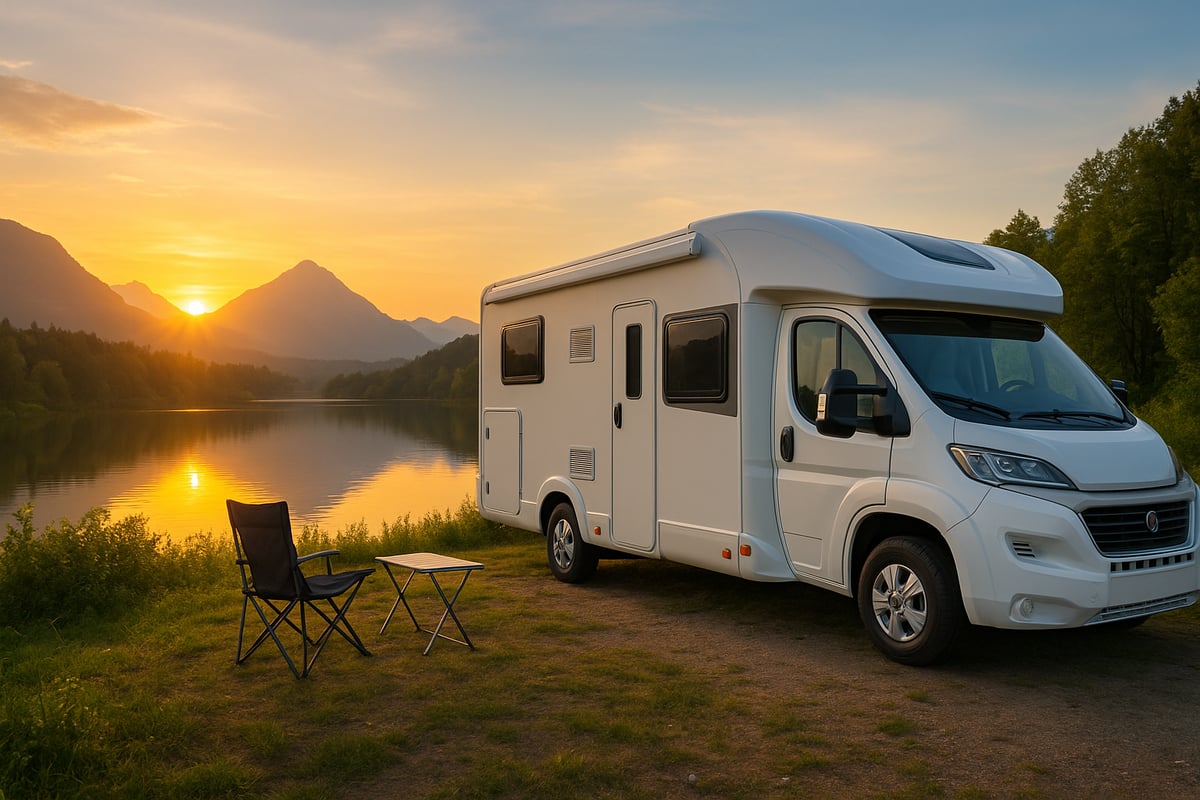
An outdoor RV rental is a vehicle hired specifically for exploring natural environments, offering both shelter and mobility in one package. Unlike traditional RV rentals, which might focus on urban or resort-style travel, outdoor RV rental is tailored for journeys into national parks, forests, and remote countryside.
These rentals are designed with features such as off-grid power systems, enhanced insulation, and all-season readiness. For example, campervans are ideal for navigating winding national park roads, while larger motorhomes suit outdoor festivals. The appeal lies in having a base camp that can handle varied weather and terrains. The strong growth in outdoor RV rental bookings shows that more travellers are choosing this route for their 2025 adventures.
There are several types of vehicles available for outdoor RV rental, each catering to different travel styles. The main categories include campervans, motorhomes, travel trailers, and 4×4 adventure vehicles.
| Type | Pros | Cons | Best For |
|---|---|---|---|
| Campervan | Easy to drive, compact, fuel-efficient | Limited space, fewer amenities | Couples, solo travellers |
| Motorhome | Spacious, full amenities | Larger size, less agile | Families, groups |
| Travel Trailer | Detachable, flexible use | Requires tow vehicle, setup time | Families, longer stays |
| 4×4 Adventure | Off-road capable, rugged | Limited space, basic facilities | Explorers, wild camping |
A 2-berth campervan is perfect for couples or solo travellers, while a 6-berth motorhome suits larger families. The right outdoor RV rental depends on your group size, the destinations, and the level of comfort you desire.
Choosing an outdoor RV rental brings a host of advantages for adventurers. The most significant is flexibility, with 72% of renters in 2024 naming it as the main benefit. With an outdoor RV rental, you can visit remote locations, change plans on the go, and avoid the constraints of hotel bookings or flight schedules.
Cost savings are another draw, as renting a vehicle often proves more economical than paying for hotels, flights, and restaurant meals. Comfort is assured with amenities like a kitchen, bathroom, and sleeping quarters, making it easier to travel with children or pets. Off-grid features such as solar panels and water tanks support self-sufficiency. For a deeper look at these advantages, see the 10 benefits of motorhome hire.
Outdoor RV rental is suitable for a wide range of travellers. Families benefit from the bonding opportunities and adventure, with space for everyone and flexibility to stop at child-friendly sites. Couples enjoy romantic getaways in nature, while solo adventurers relish the independence and chance to explore at their own pace.
Pet owners appreciate the ability to bring animals along, avoiding kennel costs. Groups attending festivals or outdoor events find outdoor RV rental a practical and enjoyable solution. Whether you are seeking relaxation, excitement, or a bit of both, outdoor RV rental in 2025 offers something for everyone.
Embarking on an outdoor rv rental journey in 2025 requires careful planning to ensure a smooth, memorable experience. By following these essential steps, you can transform your adventure from a dream into reality, tailored perfectly to your needs and desires.
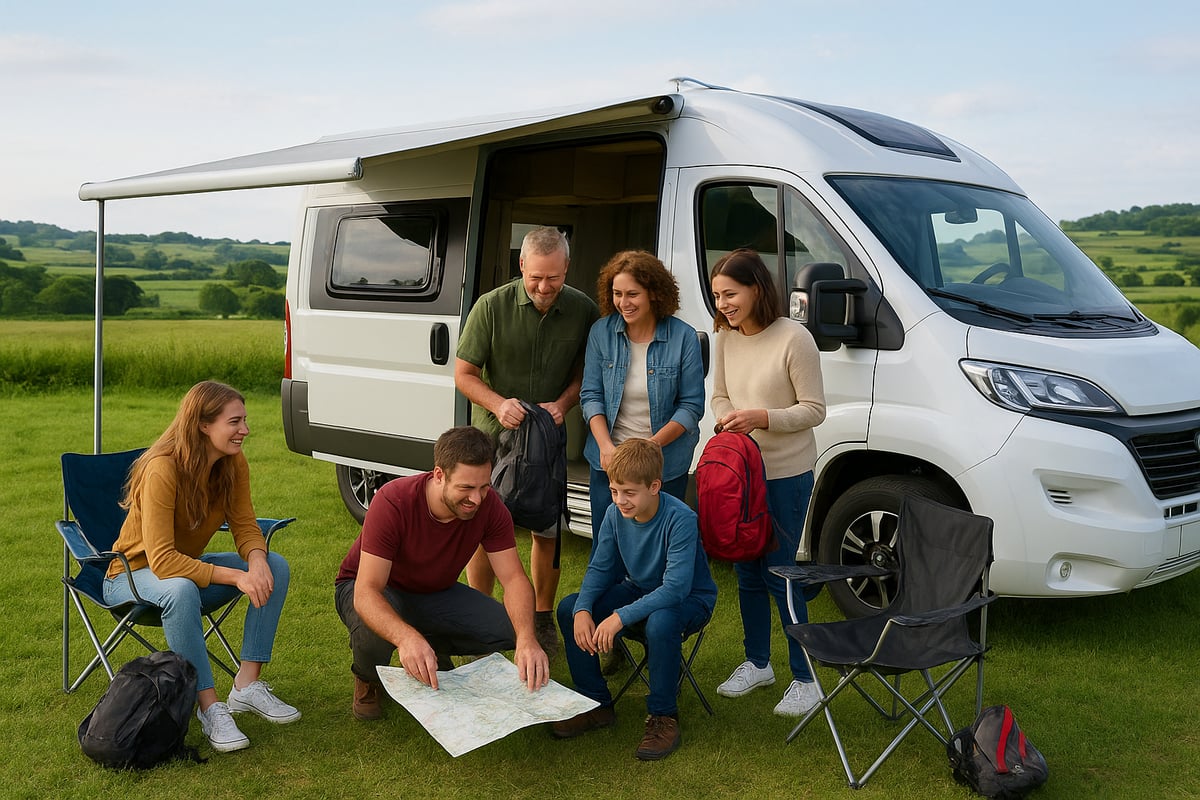
Start your outdoor rv rental journey by clarifying the purpose of your trip. Are you seeking relaxation, adventure, sightseeing, or planning to attend a festival? Knowing your goals will help you make the right choices throughout the process.
Next, consider your group size. Are you travelling as a family, a couple, or solo? Think about the ages of your travellers, any accessibility needs, and whether pets will join. A family of four, for instance, may need more space and child-friendly features, while a couple’s getaway could prioritise privacy and cosiness.
By understanding your group’s needs early, you set a strong foundation for a successful outdoor rv rental experience.
Matching the right vehicle to your plans is crucial for comfort and convenience. For an outdoor rv rental, assess whether you need a compact campervan, a spacious motorhome, a travel trailer, or a rugged 4×4 adventure vehicle.
Consider the amenities each option provides, such as a kitchen, bathroom, and sleeping arrangements. If you plan to explore off-road or wild camping sites, a 4×4 may be best. For families, a larger motorhome with multiple sleeping areas and a full kitchen might be ideal.
Selecting the right RV ensures your outdoor rv rental meets your expectations and supports your travel style.
Once you know your requirements, compare outdoor rv rental providers. Major platforms like Outdoorsy, RVshare, and Indie Campers offer a broad selection, while local companies may provide personalised service and unique options.
Review customer feedback and ratings to gauge reliability and service quality. According to the RV Rental Market Report, 85 percent of renters depend on online reviews for decision-making. Compare terms, insurance, and included features, and always watch for hidden fees in the contract.
Taking time to research providers helps you secure the best value and ensures your outdoor rv rental is hassle free.
Understanding the cost breakdown is vital before booking your outdoor rv rental. Factor in daily rates, mileage limits, insurance, and deposits. Seasonal demand can influence prices, with summer and holidays typically more expensive. Additional costs may include cleaning fees, equipment hire, and campsite charges.
Recent trends show that RV rental prices stable in 2024, which is reassuring for budget planning in 2025. To save money, consider booking early, travelling off-peak, and comparing packages.
A clear budget allows you to enjoy your outdoor rv rental without unexpected expenses.
When you are ready to book your outdoor rv rental, check the reservation options: online, by phone, or in person. Prepare all required documents, such as your driving licence, ID, and proof of insurance.
Create a pre-trip checklist covering essentials like clothing, cookware, and safety gear. Plan your route, download offline maps for remote destinations, and research campsite availability.
A well-prepared approach lets you focus on the adventure, making your outdoor rv rental experience smooth from the very start.
On collection day, inspect your outdoor rv rental thoroughly with the provider. Walk through all controls, from heating to power systems, and request a demonstration if you are unsure. Understanding the safety procedures and emergency contacts is crucial.
Ask questions about vehicle handling, especially if you are new to RVs. Practise using key features, such as the water system or satellite navigation. A thorough handover ensures you depart with confidence and sets the tone for a safe, enjoyable journey.
By following these six steps, you set yourself up for a memorable and stress-free outdoor rv rental adventure in 2025.
Packing smartly is the foundation of a successful outdoor rv rental. The right gear ensures comfort, safety, and flexibility, no matter where the road leads. Whether you are planning a family adventure or a solo retreat, a well-prepared packing list is your best travel companion.
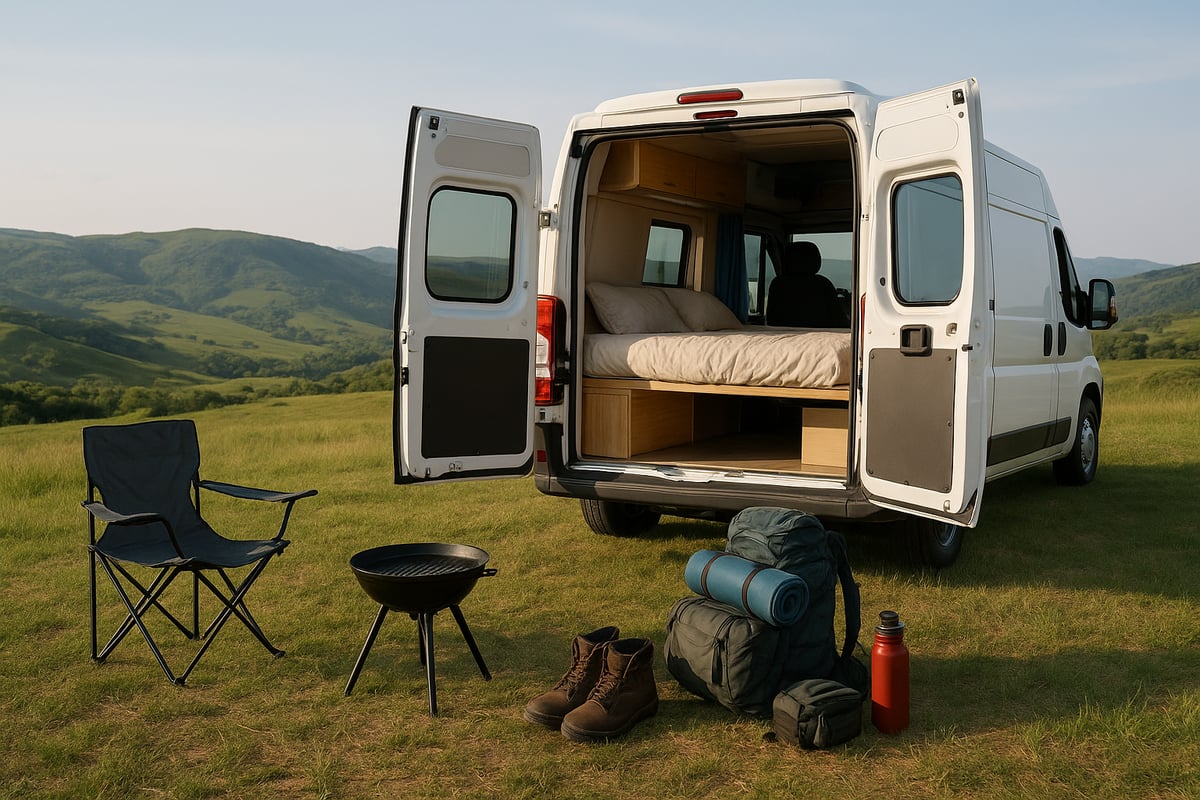
Begin your outdoor rv rental journey by packing the basics. Bedding, such as sleeping bags or duvets, keeps nights restful. Bring cookware, utensils, and food storage containers for preparing meals on the go. A first aid kit is essential for handling minor scrapes or illnesses.
Prepare for changing weather with layered clothing, waterproof jackets, and sturdy footwear. Safety should always come first, so include a fire extinguisher plus smoke and carbon monoxide detectors. For spring or autumn trips, packing extra blankets is wise, especially if you are visiting areas with unpredictable weather. For tips tailored to colder regions, the Scenic Lake District motorhome guide offers additional advice.
An outdoor rv rental opens up countless opportunities for adventure. Remember to pack camping chairs and folding tables for relaxing at your campsite. A portable BBQ or camp stove makes outdoor cooking easy and fun.
Hiking enthusiasts should bring boots, backpacks, and navigation tools. Cyclists may want to pack bikes and racks to explore local trails. If you plan to enjoy lakes or rivers, include water sports equipment such as kayaks or paddleboards. Tailoring your gear to your itinerary ensures you make the most of every stop.
Staying connected and powered up is vital during any outdoor rv rental. Pack a mobile Wi-Fi hotspot for internet access in remote areas. GPS units and offline maps help you navigate even when signals are weak.
Solar chargers and power banks keep devices running. For entertainment, bring tablets, e-readers, and board games. These items make evenings in your RV comfortable and enjoyable, regardless of your destination.
Responsible travel is central to the outdoor rv rental experience. Choose reusable containers and eco-friendly toiletries to reduce waste. Solar-powered lights and small appliances are efficient and sustainable choices.
For rubbish, pack biodegradable bags and a small recycling bin. When shopping for supplies, select items with minimal packaging and avoid single-use plastics. Simple steps like these minimise your environmental impact, helping preserve nature for future adventurers.
Embarking on an outdoor rv rental journey in 2025 opens up a world of incredible landscapes, from the tranquillity of national parks to the excitement of iconic road trips. Whether you crave remote wilderness, family-friendly campsites, or adrenaline-fuelled adventures, there is a perfect itinerary waiting for every traveller. Let us explore the top destinations and practical tips to make the most of your next outdoor rv rental experience.
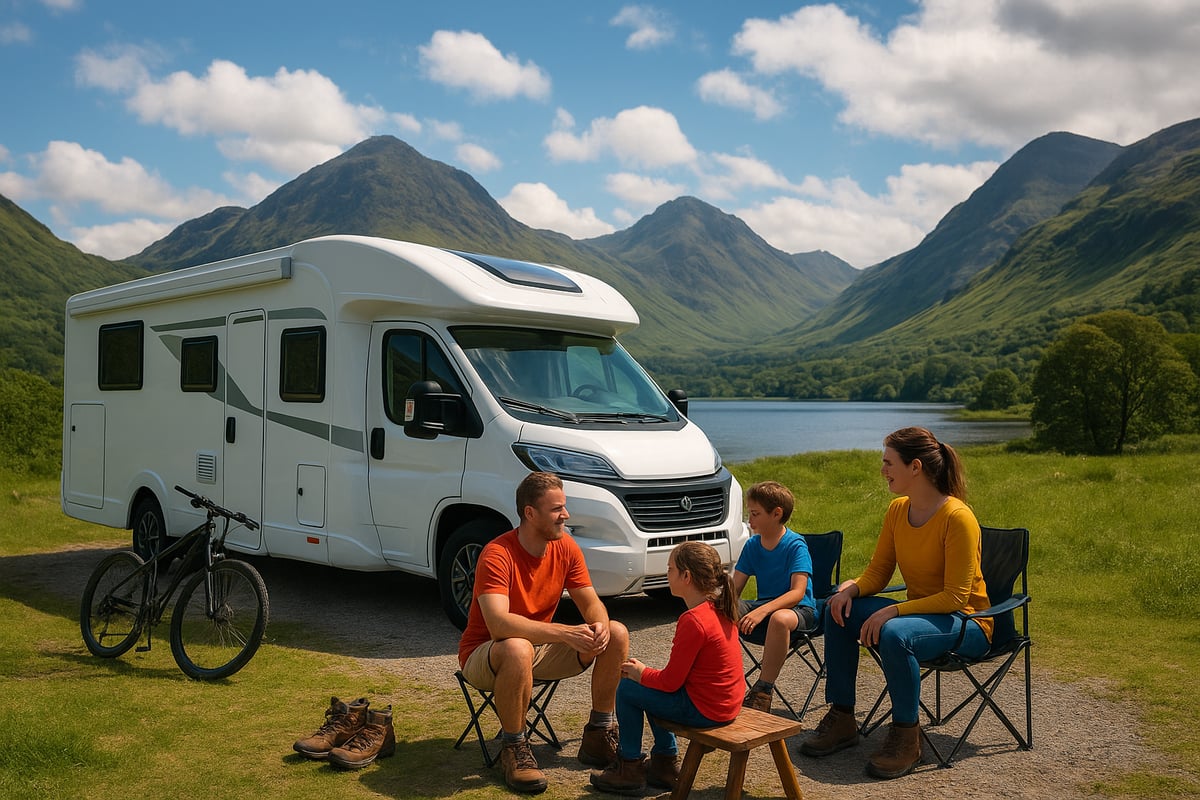
The UK offers some of the most stunning national parks for your outdoor rv rental adventure. The Lake District is renowned for its serene lakes and challenging hiking trails, making it ideal for both relaxation and exploration. The Yorkshire Dales features rolling hills, picturesque villages, and excellent walking routes, perfect for those seeking a blend of nature and culture.
For those venturing further, the Peak District offers dramatic moorlands and family-friendly cycle paths. In Europe, destinations like the French Alps and Norwegian fjords promise awe-inspiring scenery and unique wildlife experiences. Remember to check entry requirements, permits, and campsite booking policies, as some parks require advance reservations. For a taste of true freedom, wild camping in Scotland is legal in many areas, providing a memorable outdoor rv rental experience surrounded by unspoilt nature.
If a classic road trip is on your list, the UK boasts some of the most breathtaking drives for outdoor rv rental travellers. The North Coast 500 in Scotland is a legendary loop, offering rugged coastlines, historic castles, and opportunities for wild camping. For a detailed guide to this route, see the NC500 Scotland route guide.
In the southwest, the Atlantic Highway in Cornwall winds past dramatic cliffs, sandy beaches, and charming seaside villages. Many coastal campsites offer direct access to walking paths and water sports. When planning your journey, consider the distances between fuel stops, local attractions, and parking options for larger vehicles. Scenic countryside routes through the Cotswolds or Wales also provide a relaxed pace and plenty of hidden gems for outdoor rv rental explorers.
Families will find plenty of options to make their outdoor rv rental trip both safe and enjoyable. Many campsites across the UK cater specifically to families, offering playgrounds, swimming pools, and activity centres that keep children entertained while adults unwind.
Nature reserves such as Kielder Water & Forest Park provide educational trails, wildlife spotting opportunities, and water-based activities suitable for all ages. Look for sites with on-site facilities like laundry rooms and accessible showers to ensure maximum comfort. Consider destinations with interactive visitor centres and guided walks, which can turn your outdoor rv rental journey into an educational adventure for the whole family.
For those seeking thrills, the UK and Europe offer an array of adventure hotspots perfect for your outdoor rv rental. Mountain biking in the Lake District, hiking in Snowdonia, and rock climbing in the Peak District are just a few options. Many locations feature dedicated parking and facilities for large vehicles, making them accessible for RV travellers.
Festival lovers can use their outdoor rv rental as a base at events like Glastonbury, combining the energy of live music with the comfort of a home on wheels. Further afield, the Alps and Norwegian fjords attract outdoor enthusiasts with world-class hiking, kayaking, and winter sports. Always check local event dates and book your campsite early to secure the best spots.
Securing the perfect overnight spot is key to a successful outdoor rv rental trip. While advance reservations are recommended during peak seasons, some travellers prefer the spontaneity of finding a site on the day. In the UK, wild camping is generally restricted except in certain parts of Scotland, so always check local laws before setting up for the night.
Use apps and websites dedicated to campsite discovery, which allow you to filter by amenities, location, and reviews. Popular choices include Pitchup and Park4Night. When travelling in Europe, research the rules for each country regarding overnight parking and wild camping. With careful planning, your outdoor rv rental adventure will be both comfortable and compliant with local regulations.
Planning an outdoor rv rental adventure in 2025 requires a clear understanding of costs, insurance options, and budgeting best practices. With demand for RVs continuing to rise, staying informed can help you secure the best value and avoid surprises. Here is what you need to know before you hit the road.
Outdoor rv rental prices in 2025 are expected to reflect the ongoing growth in adventure travel and digital nomad lifestyles. According to the Global RV rental market growth forecast, the global market will continue expanding, with more travellers seeking flexible outdoor accommodation.
Here is a quick comparison of average daily and weekly prices:
| Vehicle Type | Daily Rate | Weekly Rate | Typical Inclusions |
|---|---|---|---|
| Campervan | £70-£110 | £490-£770 | Basic insurance, kitchen kit, mileage |
| Motorhome (mid-range) | £90-£150 | £630-£1050 | Bedding, bathroom, heating, utensils |
| 4×4 Adventure Van | £120-£180 | £840-£1260 | Off-grid kit, solar, outdoor gear |
Most outdoor rv rental packages include standard insurance, a set mileage allowance, and essential equipment. Always check what extras are provided to avoid unexpected costs.
Insurance is a crucial part of any outdoor rv rental. Standard policies typically cover accidental damage, theft, and third-party liability. Many providers offer premium cover, which reduces your excess and may include roadside assistance.
Consider adding personal belongings cover or supplementary travel insurance for full peace of mind. Review what is and is not included with your outdoor rv rental. If you plan to travel abroad, ensure your policy covers cross-border journeys and any required documentation.
Before collecting your outdoor rv rental, ask the provider for a clear breakdown of coverage. This can help you avoid disputes and ensure you are fully protected during your trip.
While outdoor rv rental companies are transparent about major costs, some fees can catch travellers off guard. Common hidden charges include:
To avoid these, always read the terms and conditions thoroughly before booking. Request a full cost breakdown and clarify any extra charges with your outdoor rv rental provider. Returning the vehicle clean and on time can help you sidestep unnecessary expenses.
There are several effective ways to keep your outdoor rv rental costs in check. Book as early as possible, particularly for peak seasons, as demand remains strong according to the RV rental demand remains strong survey.
Consider travelling off-peak or sharing the experience with friends or family to split costs. Some rental companies offer loyalty programmes or discounts for longer bookings, which can reduce your daily rate.
Look for inclusive packages that bundle equipment and insurance, and check for any seasonal promotions. By planning ahead and comparing quotes, you can maximise your outdoor rv rental budget for a memorable adventure.
Exploring the open road in an outdoor rv rental is a unique adventure, but safety, regulations, and responsible travel are vital for a worry-free journey. Taking the right precautions ensures your trip is both enjoyable and sustainable, whether you are a first-time renter or a seasoned explorer.
Navigating British roads in an outdoor rv rental requires careful attention, especially on narrow country lanes or when exploring regions like Yorkshire. Always drive slowly on rural roads, use mirrors frequently, and take extra care when reversing or parking. Plan your route in advance, considering height restrictions on bridges and weight limits on certain routes.
Pack essentials such as warning triangles, a high-visibility vest, and a basic tool kit. If you are interested in exploring Yorkshire’s scenic drives, the Ultimate Yorkshire campervan adventures guide offers practical tips for safe and enjoyable travel. Remember, safety is the foundation of every outdoor rv rental experience.
When travelling in an outdoor rv rental, preparing for emergencies is crucial. Check that your vehicle is equipped with a fire extinguisher, smoke and carbon monoxide detectors, and a fully stocked first aid kit. Before setting off, familiarise yourself with the operation of all safety equipment and emergency exits.
Monitor weather forecasts, especially if you are visiting remote areas. Pack extra food, water, and blankets in case of delays. Always keep a list of emergency contacts and breakdown services handy. Being prepared ensures your outdoor rv rental adventure remains safe and stress-free.
Before driving an outdoor rv rental, confirm that your driving licence is valid for the vehicle class and that you meet the minimum age requirements, which vary by provider. In the UK, most rentals require a standard Category B licence, but larger motorhomes may need additional endorsements.
Carry essential documents, including your driving licence, insurance papers, and the rental agreement at all times. If travelling to Europe, research local regulations, such as emissions stickers or the need for a Green Card. Proper documentation is a must for any outdoor rv rental journey.
Responsible travel is at the heart of every outdoor rv rental experience. Always dispose of waste at designated sites, recycle whenever possible, and use biodegradable products to minimise your impact. Avoid disturbing wildlife and respect local communities by following posted rules at campsites and nature reserves.
Adopt Leave No Trace principles by leaving each location as you found it. Use solar-powered lights and eco-friendly cleaning supplies to reduce your environmental footprint. Every outdoor rv rental trip is an opportunity to protect the places you love for future travellers.
The outdoor rv rental market is evolving, with sustainability and technology taking centre stage. More travellers are choosing off-grid vehicles with solar panels and smart systems for greater independence and lower emissions. Flexible work arrangements are driving the rise of remote “vanlife” experiences.
According to the 2024 RV Industry Profile, 40% of renters in 2024 prioritised eco-friendly options when booking an outdoor rv rental. Staying informed about the latest trends helps you make choices that align with your values and enhance every journey.
As you’ve discovered in this guide, planning an outdoor RV adventure is all about comfort, flexibility, and making lasting memories—whether you’re exploring the rolling hills of Yorkshire or venturing further afield. If you’re feeling inspired to put these tips into practice, why not start your journey with a campervan or motorhome that truly fits your travel style and group size We’ve got a diverse fleet ready for families, couples, and solo explorers alike, so you can focus on what matters most—enjoying the open road. Ready to make your plans a reality Book Now


